
Beautiful Plants For Your Interior
Beautiful Plants For Your Interior
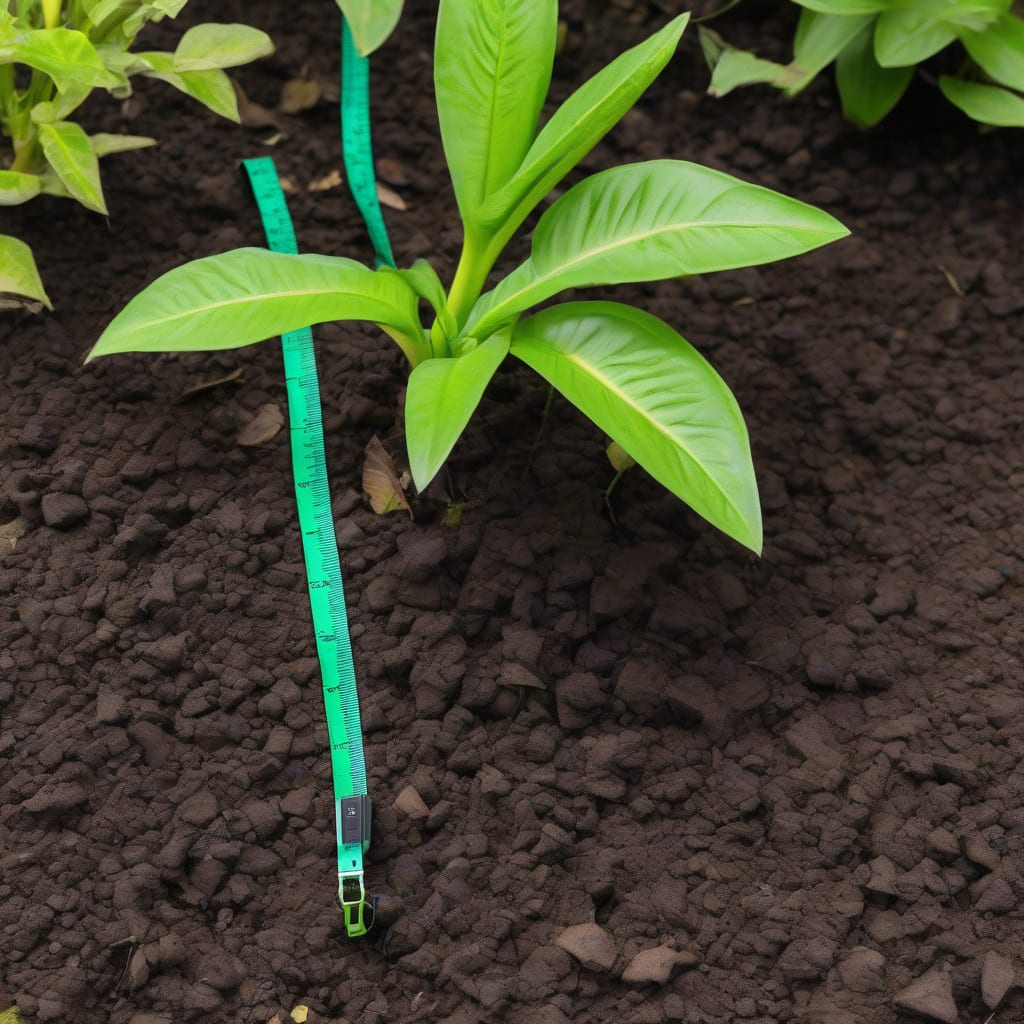
I’ve always been fascinated by the Ti Plant 🌴, known for its vibrant foliage and cultural significance. Growing up to 15 feet tall, these plants can add a dramatic touch to any garden or indoor space.
Understanding their growth potential is key to proper care. Let’s explore the factors that influence their height and how to maintain their desired size.

I’ve found that understanding the factors that influence Ti plant height is crucial for gardeners who want to maximize their plant’s growth. The height of a Ti plant can be affected by several key factors, including light exposure, soil quality, and watering practices. Let’s dive into these factors and explore how they impact Ti plant growth 🌱.
One of the primary factors influencing Ti plant height is light exposure. Ti plants thrive in partial shade to full sun, but the amount of light they receive can significantly impact their growth. In general, Ti plants grown in brighter conditions tend to be more compact, while those in shadier conditions can become taller 🌿.
Another critical factor is soil quality. Ti plants prefer well-draining soil rich in organic matter. Soil that is too dense or poorly draining can lead to root rot, stunting the plant’s growth. I’ve seen many gardeners improve their Ti plant’s growth by adding compost or other organic amendments to the soil 🌿.
Watering practices also play a significant role in Ti plant height. These plants prefer consistent moisture but are susceptible to root rot if the soil is too wet. Finding the right balance is key to promoting healthy growth. During the growing season, Ti plants may require more frequent watering, while during the dormant season, they need less 💧.
Fertilization is another factor that can influence Ti plant height. Using a balanced fertilizer during the growing season can provide the necessary nutrients for optimal growth. However, over-fertilization can lead to leggy growth or other issues, so it’s essential to follow a moderate fertilization schedule 📅.
Finally, pruning practices can significantly impact Ti plant height. Regular pruning can help maintain a desired height and encourage bushier growth. By removing dead or damaged leaves and trimming back overgrown stems, gardeners can keep their Ti plants healthy and looking their best ✂️.
In conclusion, the height of a Ti plant is influenced by a combination of environmental and care-related factors. By understanding and managing these factors, gardeners can promote healthy growth and achieve their desired plant height. Whether you’re growing Ti plants indoors or outdoors, paying attention to these factors will help you get the most out of your plants 🌟.
For more information on caring for Ti plants, including tips on soil preparation, watering techniques, and fertilization schedules, be sure to check out our other resources. Happy gardening! 🌱
To maximize Ti plant height, I’ve found that providing optimal growing conditions is crucial. This includes ensuring the right light exposure, maintaining proper watering practices, and using balanced fertilization during the growing season 🌟.
Rotate your Ti plant regularly to ensure even growth and prevent leaning. This simple technique can make a significant difference in achieving a balanced and healthy plant shape 🌿.
One of the most effective ways to encourage healthy growth in Ti plants is by providing the right light exposure. Ti plants thrive in bright, indirect light, making an east or west-facing window ideal. Avoid direct sunlight, which can cause leaf scorch and hinder growth 🔥.
Proper watering practices are also essential for maximizing Ti plant height. These plants prefer consistent moisture, but overwatering can lead to root rot and stunted growth. Water your Ti plant when the top inch of soil feels dry to the touch, and make sure the pot has good drainage holes 💧.
Fertilization plays a critical role in promoting healthy growth. Use a balanced, water-soluble fertilizer during the growing season (spring and summer) to provide your Ti plant with the necessary nutrients. Dilute the fertilizer to half the recommended strength to avoid burning the roots 📦.
In addition to these care practices, pruning is an important technique for maintaining the desired height and shape of your Ti plant. Regularly remove any dead or damaged leaves and trim back overgrown stems to encourage bushier growth ✂️.
By following these expert tips and techniques, you can help your Ti plant reach its full potential and enjoy a lush, vibrant addition to your indoor or outdoor space. Remember, patience and consistency are key to successful plant care 🌱.
For more detailed information on Ti plant care, including specific guidance on soil preparation, pest management, and propagation techniques, be sure to explore our other resources. Happy gardening! 🌼
Maintaining the ideal height of Ti plants can be challenging due to various factors. I’ve found that understanding these challenges is crucial for gardeners to take appropriate measures 🌿.
One common issue is pests, which can significantly affect Ti plant health and height. Regular inspection and proper pest management are essential to prevent infestations 🐜.
Regularly inspect your Ti plants for signs of pests like spider mites, mealybugs, and scale. Early detection is key to preventing serious damage 🔍.
Diseases are another challenge that can impact Ti plant height. Fungal infections, often caused by overwatering, can lead to root rot and stunted growth. Ensuring good air circulation and proper watering practices can help mitigate this risk 💦.
Nutritional deficiencies can also affect Ti plant height. A lack of essential nutrients like nitrogen, phosphorus, or potassium can hinder growth. Using a balanced fertilizer during the growing season can help prevent deficiencies 📦.
To maintain optimal height, it’s essential to address these challenges proactively. By understanding the common issues that can affect Ti plants, gardeners can take steps to prevent them and ensure their plants remain healthy and vibrant 🌟.
For more information on managing pests, diseases, and nutritional deficiencies in Ti plants, be sure to explore our other resources. Happy gardening! 🌱
