
Beautiful Plants For Your Interior
Beautiful Plants For Your Interior
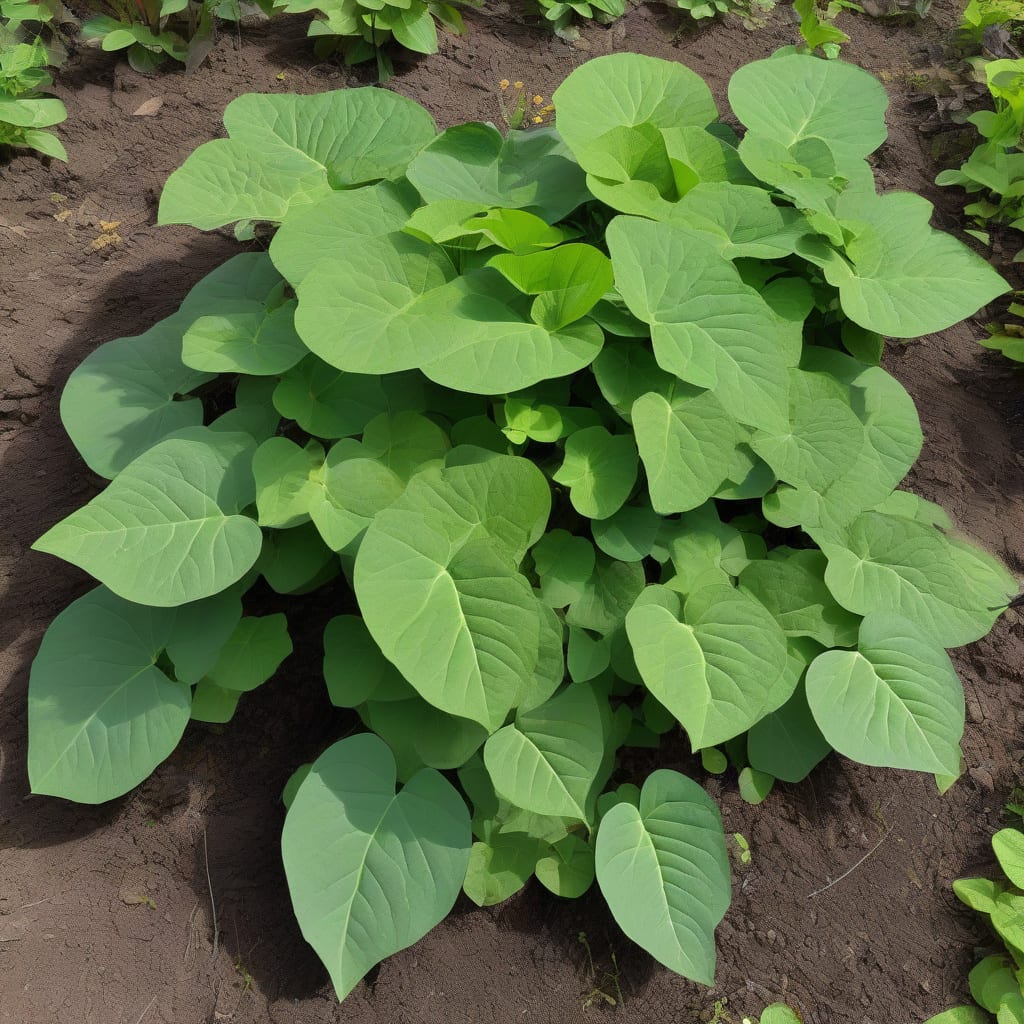
When growing Sweet Potato 🥔 plants, understanding their growth habits is crucial for maximizing yield. These vigorous vines can spread out significantly, making proper garden planning essential.
In USDA Zone 6, you can expect Sweet Potato plants to grow between 1-3 feet tall. Factors like soil quality and climate will influence their height, so let’s dive into the details to help you make the most of your garden space.

Sweet potato plants are known for their vigorous growth and ability to spread out significantly. Understanding their growth habits is crucial for maximizing yield and making the most of your garden space.
In USDA Zone 6, sweet potato plants typically grow between 1-3 feet tall. However, their height can vary depending on factors such as soil quality, climate, and cultivation practices.
Sweet potato plants are warm-season crops that thrive in temperatures between 65°F to 85°F (18°C to 30°C). They require a relatively long growing season, typically taking around 90 to 120 days to mature.
The plants start by producing slips, which are then planted in the garden. Once established, they begin to spread out, forming a dense canopy that helps suppress weeds and retain soil moisture.
As the plants grow, they develop long, trailing vines that can root at the nodes, creating new plants. This characteristic makes sweet potatoes an excellent crop for covering large areas and making efficient use of garden space.
To maximize yield, it’s essential to provide sweet potato plants with the right growing conditions. They prefer well-draining, loose soil with a pH between 5.5 and 6.5. Adequate moisture, especially during the early stages of growth, is crucial for establishing a strong root system.
In USDA, Zone 6, sweet potato plants typically thrive when planted in late spring to early summer, after the last frost. This allows them to make the most of the warm growing season and produce a bountiful harvest.
To further understand the growth habits of sweet potato plants and how to optimize their yield, let’s explore the factors that affect their height and development.
The variety of sweet potato being grown can significantly impact the plant’s height and overall growth habit. Some varieties are naturally more compact, while others tend to spread out more.
Soil quality is another critical factor that influences sweet potato plant growth. Well-draining, loose soil with a good nutrient profile will support healthier, more vigorous plants.
Climate conditions, including temperature and rainfall, also play a crucial role in determining the height and productivity of sweet potato plants. Optimal growing conditions will result in more robust growth and higher yields.
Several factors influence the height of sweet potato plants, including environmental conditions, soil quality, variety selection, and cultivation practices. Understanding these factors is crucial for optimizing plant growth and maximizing yield.
The variety of sweet potato being grown plays a significant role in determining plant height. Some varieties are naturally more compact, while others tend to spread out more. For example, bush-type varieties typically grow 1-2 feet tall, while vining types can spread several feet.
Soil quality is another critical factor that influences sweet potato plant growth. Well-draining, loose soil with a good nutrient profile will support healthier, more vigorous plants. Soil pH between 5.5 and 6.5 is ideal for sweet potato cultivation.
Climate conditions, including temperature and rainfall, also play a crucial role in determining the height and productivity of sweet potato plants. Optimal growing conditions will result in more robust growth and higher yields.
In addition to these factors, cultivation practices such as proper spacing, watering, and fertilization can also impact sweet potato plant height. By understanding and managing these factors, gardeners can optimize their sweet potato crop’s growth and productivity.
To maximize yield, it’s essential to provide sweet potato plants with the right growing conditions. This includes ensuring adequate moisture, especially during the early stages of growth, and maintaining a balanced nutrient profile in the soil.
By considering these factors and adapting cultivation practices accordingly, gardeners can promote healthy growth and maximize their sweet potato yield 🌱.
To maximize sweet potato yield, proper height management is crucial. Sweet potato plants can grow between 1-3 feet tall, and their spreading vines can cover a significant area.
Effective height management involves training the vines to make the most of available garden space. Using trellises or cages can help control the spread and promote vertical growth.
Train sweet potato vines to climb trellises or cages to maximize garden space and improve air circulation around the plants 🌿
Proper spacing is also essential for healthy growth and maximum yield. Planting slips 12-18 inches apart allows for good air circulation and reduces the risk of disease.
In addition to spacing, maintaining consistent moisture levels is vital. Sweet potatoes need about 1 inch of water per week, either from rainfall or irrigation.
By implementing these strategies, gardeners can effectively manage sweet potato plant height and maximize their yield. Regular monitoring and adjustments will help ensure a bountiful harvest 🌟.
For optimal results, consider using a balanced fertilizer at planting time and once during the growing season. This will provide the necessary nutrients for healthy plant growth and tuber development.
With proper height management and care, sweet potato plants can thrive and produce a high-quality harvest. By following these tips, gardeners can enjoy a successful and productive growing season 🥔.
