
Beautiful Plants For Your Interior
Beautiful Plants For Your Interior
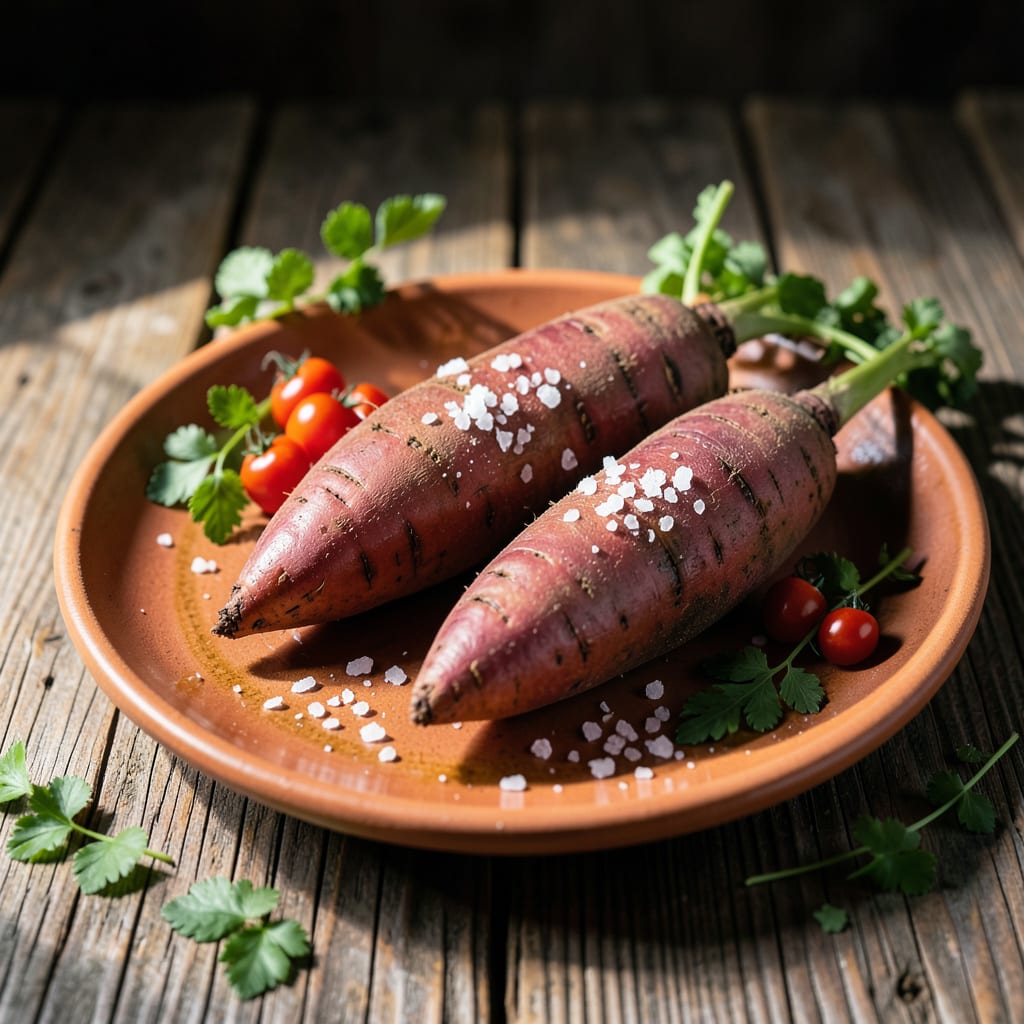
Growing sweet potatoes 🥔 in Texas can be a rewarding experience if you time it just right. The key to a successful harvest is understanding when to plant in your specific region.
In Texas’s 8a zone, the ideal time to plant sweet potatoes is in late spring to early summer, when the soil has warmed up. I’ll guide you through the best practices to ensure a bountiful fall harvest.
Ideal Time
Also Good
When it comes to planting sweet potatoes in Texas, timing is everything. The state’s diverse climate zones mean that the ideal planting time varies depending on where you are. Generally, the best time to plant sweet potatoes in Texas is in late spring to early summer, when the soil has warmed up to at least 65°F. This usually occurs around late May or early June in most parts of the state 🌟.
Understanding the specific climate zone you’re in is crucial for determining the optimal planting time. Texas spans across several USDA Hardiness Zones, with the southern regions typically being warmer than the northern areas. For instance, if you’re in a warmer zone like 8a or 9a, you can plant a bit earlier than if you were in a cooler zone.
Another critical factor is the last frost date for your area. Sweet potatoes are sensitive to frost, so it’s essential to wait until after the last frost date before planting. In Texas, this date varies from around March 15 in the south to April 15 in the north.
Soil temperature is also a key consideration. Sweet potatoes thrive in warm soil, so it’s crucial to ensure that the soil has reached the optimal temperature. You can use a soil thermometer to check the temperature. If it’s too cold, consider waiting a bit longer or using techniques like raised beds or plastic mulch to warm it up faster 🔥.
The frost-free period is another vital factor. Sweet potatoes need a long growing season – typically around 4 to 6 months without frost. Texas’s frost-free period ranges from 240 to 270 days across different regions, which is generally sufficient for sweet potatoes. However, it’s still crucial to time your planting correctly to make the most of this period 📆.
For gardeners in Texas, the ideal months for planting sweet potatoes are May and June. These months offer the right balance of warm weather and sufficient moisture for the plants to establish themselves. If you’re planting in April or July, make sure you’re prepared for potential challenges like cooler soil temperatures or increased pest activity 🌞.
To ensure a successful harvest, it’s also important to choose the right variety of sweet potato for your region. Some varieties are better suited to the Texas climate than others. Consult with local nurseries or agricultural extension offices for recommendations on the best varieties for your area 🌱.
By understanding these regional factors and planning your planting accordingly, you can enjoy a bountiful harvest of delicious homegrown sweet potatoes. Remember, the key is to wait until the soil is warm enough and the risk of frost has passed. With a bit of planning and patience, you’ll be enjoying your sweet potato harvest in the fall 🍂.
Regional microclimates can also play a significant role in determining the best planting time. For example, areas near large bodies of water or in valleys may have slightly different temperature profiles compared to surrounding areas. Being aware of these microclimates can help you fine-tune your planting schedule 🌟.
Finally, it’s worth noting that climate change is affecting weather patterns across Texas. While historical data provides a good guideline, it’s essential to stay flexible and adapt to changing conditions. Keep an eye on local weather forecasts and be prepared to adjust your planting schedule if necessary ⛅️.
Preparing your Texas garden for sweet potato planting involves several crucial steps to ensure a successful harvest. First, it’s essential to choose the right variety of sweet potatoes for your region. Some varieties are better suited to the Texas climate than others. I recommend consulting with local nurseries or agricultural extension offices for recommendations on the best varieties for your area 🌱.
For optimal results, use slips from reputable suppliers or start your own slip production 6-8 weeks before planting. Ensure they’re disease-free and have multiple nodes for better root development.
Once you have your slips, it’s time to prepare the soil. Sweet potatoes prefer well-draining, loose soil with a pH between 5.8 and 6.2. I recommend testing your soil to determine its pH level and nutrient content. Based on the results, you may need to add organic matter like compost or well-rotted manure to improve soil structure and fertility 🌿.
Soil temperature is another critical factor. Sweet potatoes thrive in warm soil, so it’s crucial to ensure that the soil has reached the optimal temperature of at least 65°F. You can use a soil thermometer to check the temperature. If it’s too cold, consider waiting a bit longer or using techniques like raised beds or plastic mulch to warm it up faster 🔥.
In Texas, the ideal months for planting sweet potatoes are May and June. These months offer the right balance of warm weather and sufficient moisture for the plants to establish themselves. If you’re planting in April or July, make sure you’re prepared for potential challenges like cooler soil temperatures or increased pest activity 🌞.
To further optimize your sweet potato planting, consider using raised beds or mounds to improve drainage and soil warming. This can be particularly beneficial in areas with heavy clay soils or cooler spring temperatures 🏔️.
By following these steps and tips, you can create an ideal environment for your sweet potatoes to thrive in your Texas garden.
Regional considerations are also important when preparing your garden. For example, areas with high rainfall may require additional drainage measures, while drier regions might need more frequent watering. Being aware of your local conditions will help you make the necessary adjustments for optimal sweet potato growth ☁️.
Finally,
When planting sweet potatoes in Texas, it’s crucial to avoid common mistakes that can lead to poor yields or crop failure. One of the most significant errors is planting too early when the soil is still cool. Sweet potatoes thrive in warm soil, typically above 65°F. Planting before the soil has warmed up can result in poor germination and slow growth 🌡️.
Avoid planting sweet potatoes too early in the season when soil temperatures are still low. This can lead to rotting of the slips and poor establishment. Wait until the soil has warmed up to at least 65°F before planting 🔥.
Another mistake to avoid is poor soil preparation. Sweet potatoes prefer well-draining, loose soil with a pH between 5.8 and 6.2. Failing to test and amend the soil accordingly can lead to nutrient deficiencies and reduced yields. I recommend adding organic matter like compost to improve soil structure and fertility 🌿.
Inadequate care during the growing season can also negatively impact your sweet potato harvest. This includes inconsistent watering, inadequate weeding, and failure to hill the plants. Sweet potatoes need consistent moisture, especially during the initial stages of growth. Regular weeding and hilling help to retain moisture and promote tuber formation 💧.
To ensure a successful harvest, it’s also important to choose the right variety of sweet potato for your region. Some varieties are better suited to the Texas climate than others. I recommend consulting with local nurseries or agricultural extension offices for recommendations on the best varieties for your area 🌱.
By avoiding these common mistakes and following best practices, you can enjoy a bountiful harvest of delicious homegrown sweet potatoes in Texas.
Monitoring weather patterns is also crucial when growing sweet potatoes in Texas. Keep an eye on local weather forecasts to anticipate and prepare for any extreme weather events that could impact your crop 🌟.
Finally, proper harvesting techniques are essential to avoid damaging the tubers. Use a fork to carefully loosen the soil around the plants, being careful not to pierce the sweet potatoes. This will help ensure that your harvest is successful and that you can enjoy your sweet potatoes throughout the year 🎉.
The ideal soil temperature for planting sweet potatoes is at least 65°F. You can use a soil thermometer to check the temperature. Waiting until the soil has warmed up helps prevent poor germination and slow growth .
Harvest sweet potatoes when the leaves turn yellow and the vines start to die back. This is usually 90-120 days after planting. Check for readiness by carefully digging around the plants with a fork, being careful not to damage the tubers .
While it’s possible to plant in April, it’s generally considered too early for most Texas regions. The soil may still be too cool, which can lead to poor establishment. For most areas, May or June is a better time to plant .
Sweet potatoes need consistent moisture, especially during the initial stages of growth. Water them weekly, providing about 1 inch of water. Adjust based on weather conditions to avoid overwatering .
