
Beautiful Plants For Your Interior
Beautiful Plants For Your Interior
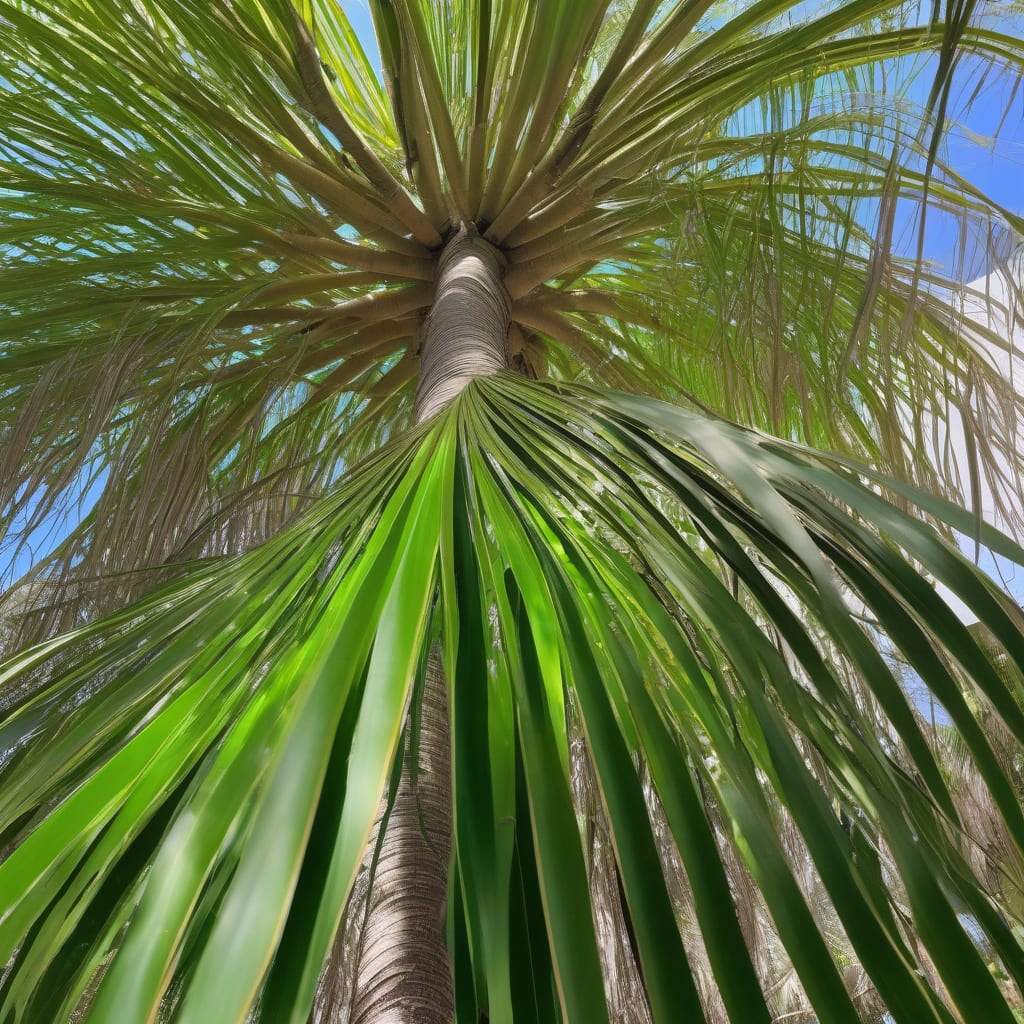
As I care for my Ponytail Palm 🌵, I’m often asked about its growth potential. Understanding how tall these unique plants can grow is crucial for providing the right care.
Ponytail Palms can reach heights of 3 to 6 feet in ideal conditions, making them a great choice for indoor spaces. Let’s explore what influences their growth and how to keep yours thriving.


Ponytail palms are known for their unique growth patterns and ability to thrive in various conditions. Understanding their maximum height is crucial for proper care and placement in your home or garden.
The typical height range for ponytail palms is between 3 to 6 feet, with some specimens reaching up to 8 feet in ideal conditions. Their growth rate is generally slow to moderate, making them a great choice for long-term indoor decor 🌵.
The height of ponytail palms is influenced by several factors, including light exposure, watering practices, and soil quality. Proper care can help maintain a healthy growth rate and prevent issues like stunted growth or excessive stretching.
Ponytail palms typically grow about 1 to 2 feet every few years when conditions are favorable. Their bulbous trunk stores water, allowing them to survive with minimal watering, but consistent moisture promotes healthier growth.
To achieve maximum height, ponytail palms require bright, indirect light and well-draining soil. Overwatering can lead to root rot, while underwatering may slow growth. Regular fertilization during the growing season can also support optimal development.
It’s worth noting that ponytail palms are often grown as ornamental houseplants, where their natural height is typically maintained through proper potting and occasional pruning. This makes them versatile for various indoor spaces, from small apartments to larger homes.
When considering the height of ponytail palms, it’s essential to remember that their growth is influenced by both genetic factors and environmental conditions. Providing the right balance of care can help your ponytail palm reach its full potential height.
In summary, while ponytail palms can grow quite tall, their slow growth rate and adaptability to indoor conditions make them a popular choice for many plant enthusiasts. With proper care, you can enjoy a healthy, thriving ponytail palm that adds a touch of natural beauty to your space 🌿.
By understanding the growth potential of your ponytail palm, you can better appreciate its unique characteristics and make informed decisions about its care. Whether you’re a seasoned plant parent or just starting out, ponytail palms offer a rewarding gardening experience.
The height of ponytail palms is influenced by several key factors that determine their overall growth and development. Understanding these elements is crucial for providing optimal care and achieving the best possible height for your plant 🌿.
Several environmental and care-related factors play a significant role in determining the height of ponytail palms. These include light exposure, watering practices, soil quality, and container size. Each of these elements contributes to the plant’s ability to grow and thrive.
By understanding and managing these factors, you can create an optimal environment for your ponytail palm to reach its full potential height. Regular monitoring and adjustments to care practices will help ensure healthy growth 🌱.
Ponytail palms are adaptable plants, but they still require attention to their specific needs. By providing the right conditions and care, you can enjoy a thriving, tall ponytail palm that adds beauty to your indoor space.
The slow growth rate of ponytail palms means that patience is key when cultivating these plants. With consistent care and the right environmental conditions, your ponytail palm can achieve a height that complements your home decor.
In conclusion, understanding the factors that affect ponytail palm height growth is essential for any plant enthusiast. By focusing on proper care and environmental conditions, you can help your ponytail palm reach its maximum height potential 🌵.
Managing the height of ponytail palms indoors requires a combination of proper care techniques and understanding the plant’s natural growth habits. By implementing the right strategies, you can maintain a healthy and visually appealing ponytail palm that fits perfectly in your indoor space 🌿.
To maintain optimal height, rotate your ponytail palm regularly to ensure even growth and prevent leaning towards the light source 🔄.
One of the most effective ways to manage ponytail palm height is through pruning. While ponytail palms don’t require frequent pruning, removing dead or damaged leaves can help maintain the plant’s appearance and promote healthy growth. Use clean, sharp tools to trim any unsightly foliage, making cuts at the base of the leaf stem ✂️.
Repotting is another crucial aspect of managing ponytail palm height. When the plant becomes root-bound, it may need to be transferred to a slightly larger container to accommodate its growing root system. Choose a pot that is only one to two sizes larger to prevent the soil from becoming too wet and to maintain the plant’s height 🔄.
Maintaining optimal growing conditions is also vital for managing ponytail palm height. Ensure your plant receives bright, indirect light and water it sparingly, allowing the soil to dry out between waterings. Overwatering can lead to root rot and negatively impact the plant’s overall health and height 🌵.
In addition to these care practices, consider the placement of your ponytail palm within your home. Avoid placing it near heating or cooling vents, fireplaces, or drafty windows, as these conditions can cause stress to the plant and affect its growth.
By following these tips and providing consistent care, you can effectively manage the height of your ponytail palm and enjoy a beautiful, thriving plant in your indoor space for years to come 🌟.
