
Beautiful Plants For Your Interior
Beautiful Plants For Your Interior
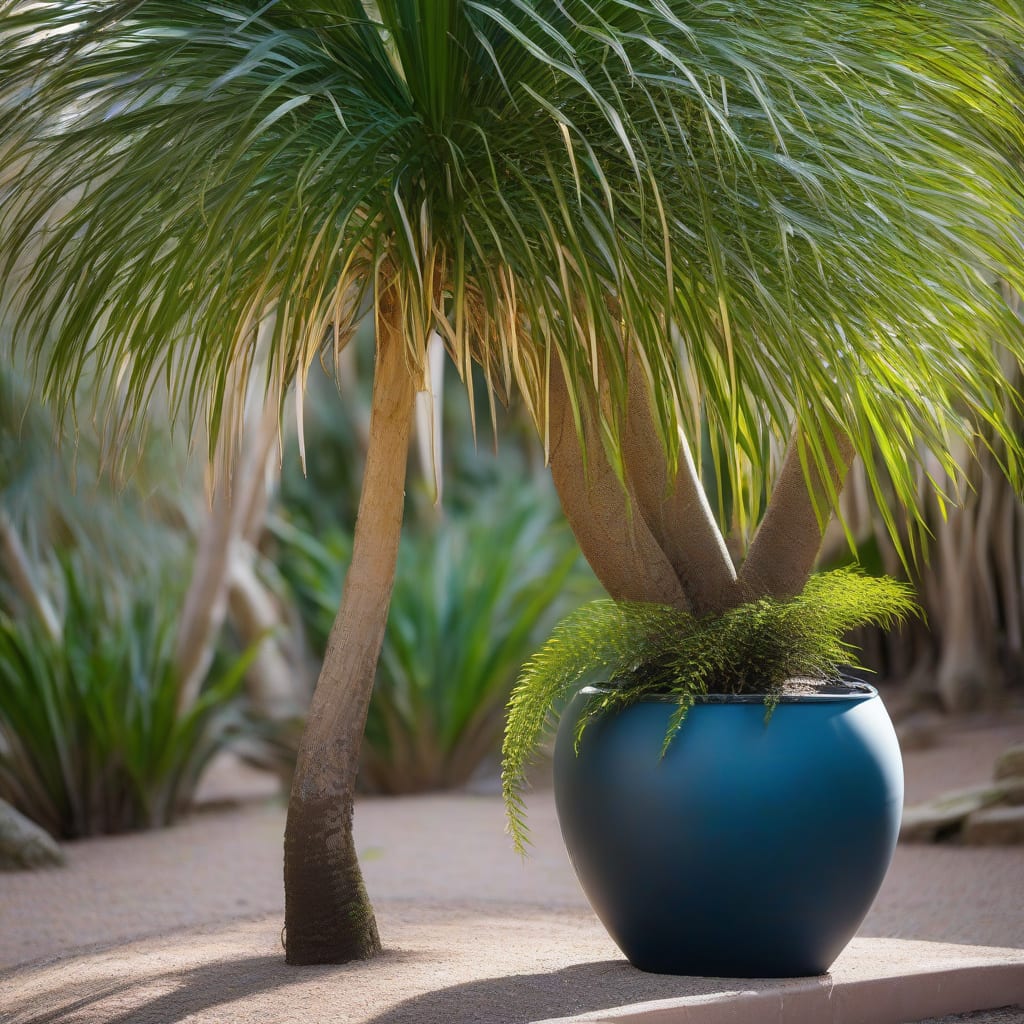
I’ve always been fascinated by the Ponytail Palm 🌵, a popular indoor plant known for its unique appearance. Growing indoors, these plants can reach varying heights depending on several factors.
Understanding how tall your Ponytail Palm will grow is crucial for choosing the right pot and providing proper care. Let’s explore what affects their growth and how to keep them thriving Indoors.

1-2 ft

2-3 ft

3-4 ft

6 ft
Ponytail palms are popular indoor plants known for their unique appearance and relatively slow growth. When grown indoors, they can reach varying heights depending on several factors, including container size, light conditions, and watering practices.
The typical mature height of a Ponytail Palm indoors ranges from 2 to 6 feet, with some specimens growing taller in optimal conditions. Understanding these factors is crucial for managing their growth and keeping them healthy.
The maximum height a Ponytail Palm can reach indoors is influenced by these factors. Generally, they can grow up to 6 feet tall when given the right conditions. However, the average height most people experience is between 2 to 4 feet, making them a manageable size for most indoor spaces 🌵.
Ponytail palms are known for their slow growth rate, which means they don’t quickly outgrow their containers. This slow growth is part of their appeal as indoor plants, as they require less frequent repotting and maintenance.
To support healthy growth and potentially maximize height, it’s essential to provide your Ponytail Palm with proper care. This includes using well-draining soil, avoiding overwatering, and ensuring the plant receives adequate light.
Lighting conditions play a significant role in the growth of Ponytail Palms. While they can tolerate low light, they thrive in bright, indirect light. Placing them near an east or west-facing window can provide the ideal light conditions.
Watering practices are also crucial. Ponytail Palms are drought-tolerant and prefer to dry out between waterings. Overwatering can lead to root rot, so it’s better to err on the side of underwatering.
Fertilization during the growing season (spring and summer) can support the plant’s growth. Using a balanced, water-soluble fertilizer at half strength every 2-3 months is a good practice.
The size of the container can also impact the plant’s height. While a larger pot can allow for more root growth and potentially a taller plant, it’s essential not to overpot, as this can lead to waterlogging and root issues.
In summary, while Ponytail Palms can grow quite tall indoors, their height is largely dependent on the care they receive. By providing the right conditions and care, you can help your Ponytail Palm reach its full potential height 🌿.
For more specific guidance on caring for your Ponytail Palm and managing its height, consider consulting additional resources or a local gardening expert.
I’ve found that understanding the factors that influence Ponytail Palm height is crucial for providing proper care. The height of these plants indoors can vary significantly based on several key factors.
The light conditions play a significant role in determining the height of Ponytail Palms. These plants thrive in bright, indirect light, which promotes healthy growth and can influence their overall height.
Ponytail Palms need bright, indirect light to grow well. Direct sunlight can cause leaf scorch, while too little light can lead to weak and leggy growth.
These plants are drought-tolerant and prefer to dry out between waterings. Overwatering can lead to root rot, while underwatering can slow growth.
Feeding your Ponytail Palm with a balanced fertilizer during the growing season can support its growth and overall health.
The size of the container can impact the plant’s height. A larger pot allows for more root growth, potentially leading to a taller plant.
By understanding and managing these factors, you can help your Ponytail Palm reach its full potential height. Proper care and attention to these details will ensure your plant remains healthy and thrives indoors 🌿.
Proper watering practices are essential for maintaining the health of your Ponytail Palm. These plants prefer to dry out between waterings, making them drought-tolerant.
Fertilization is another critical aspect of caring for your Ponytail Palm. Using a balanced, water-soluble fertilizer at half strength every 2-3 months during the growing season can support healthy growth.
The size of the container also plays a role in determining the plant’s height. While a larger pot can allow for more root growth and potentially a taller plant, it’s essential not to overpot, as this can lead to waterlogging and root issues 🌵.
In summary, the height of Ponytail Palms indoors is influenced by several factors, including light conditions, watering practices, fertilization, and pot size. By providing the right conditions and care, you can help your Ponytail Palm reach its full potential height 🌿.
I understand that managing the height of your Ponytail Palm is crucial for maintaining its aesthetic appeal and overall health. Proper care and pruning techniques can help you achieve the desired height while keeping your plant thriving indoors.
Remove dead or damaged leaves to maintain your Ponytail Palm’s appearance and promote healthy growth. Use clean, sharp pruning tools to prevent spreading disease.
Pruning is an effective way to manage the height of your Ponytail Palm. By removing dead or damaged leaves, you not only maintain the plant’s appearance but also promote healthy growth 🌱.
When it comes to pruning techniques, it’s essential to use clean, sharp tools to prevent damaging the plant or spreading disease. Remove any dead or yellow leaves at the base to keep your plant looking its best.
Repotting is another strategy for managing your Ponytail Palm’s height. Moving to a larger pot can provide more room for root growth, potentially leading to a taller plant. However, be cautious not to overpot, as this can lead to waterlogging and root issues 🌿.
Growth management also involves providing optimal care conditions. Ensure your Ponytail Palm receives bright, indirect light and practice proper watering to support healthy growth.
By combining these care tips and pruning techniques, you can effectively manage your Ponytail Palm’s height and keep it thriving indoors 🌵.
