
Beautiful Plants For Your Interior
Beautiful Plants For Your Interior
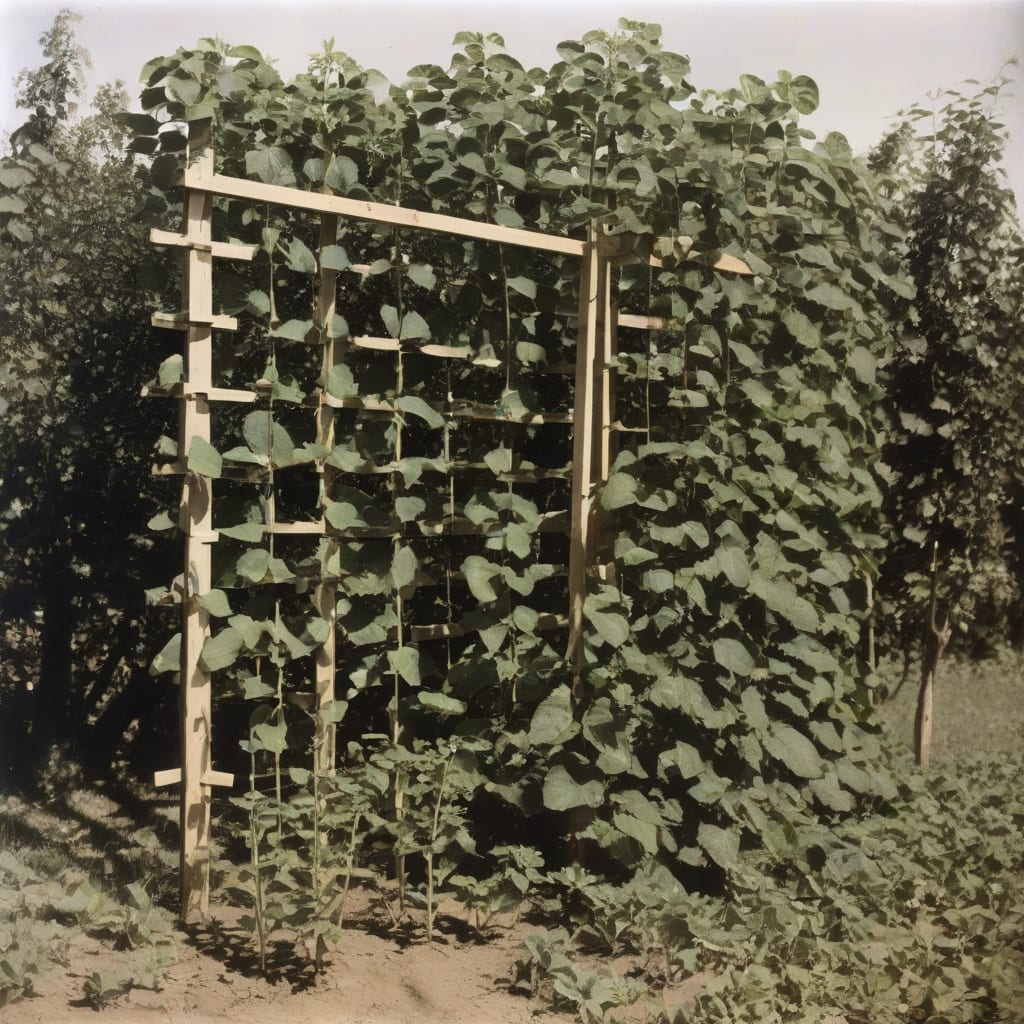
When growing Peanut 🥜 plants in your garden, understanding their height is crucial for planning. These plants typically grow between 1-2 feet tall, making them a great choice for smaller spaces.
Knowing their growth habits helps you maximize your harvest and create a more efficient garden layout. Let’s explore the factors that affect Peanut plant height and how to optimize their growth in USDA Zone 6.

Peanut plants are fascinating legumes that go through several distinct growth stages. Understanding these stages is crucial for gardeners to optimize their growth and maximize their harvest. Let’s explore the different growth stages of peanut plants and their typical height expectations.
Peanut plants typically grow between 1-2 feet tall, making them a great choice for smaller garden spaces. Their compact size allows for efficient spacing and easier maintenance. The plants spread out slightly as they mature, forming a bushy appearance that helps shade the soil and retain moisture.
The growth cycle of peanut plants is divided into several key stages: germination, vegetative growth, flowering, and pod formation. Each stage is crucial for the development of healthy plants and a bountiful harvest. During the vegetative growth stage, peanut plants typically reach their maximum height of 1-2 feet.
Factors such as soil quality, climate, and variety can influence the height and overall health of peanut plants. Well-draining, sandy loam soil and warm temperatures promote optimal growth. Gardeners should ensure their peanut plants receive full sun and consistent moisture throughout the growing season.
By understanding the different growth stages of peanut plants, gardeners can better plan their garden layout and optimize growing conditions. This knowledge helps in maximizing space, reducing maintenance efforts, and ultimately achieving a more bountiful harvest. The relatively compact size of peanut plants makes them an excellent choice for various garden configurations.
Peanut plants typically mature within 100-150 days after planting. Gardeners should monitor their plants closely during the final stages of growth to determine the optimal harvest time. Recognizing the signs of maturity, such as yellowing leaves and drying stems, is crucial for harvesting peanuts at their peak flavor and quality.
Overall, peanut plants are relatively easy to grow and maintain, making them a great choice for both beginner and experienced gardeners. Their unique growth habit and nutritional benefits make them a valuable addition to any garden.
Several key factors influence the height and development of peanut plants. Understanding these elements helps gardeners create optimal growing conditions for their crops.
Soil quality plays a crucial role in peanut plant growth. Well-draining, sandy loam soil with a pH between 6.0 and 7.0 is ideal. Soil that is too dense or heavy can restrict root development and limit plant height 🌿.
Soil quality, climate, and variety significantly impact peanut plant height and development.
Climate conditions also significantly affect peanut plant height. Peanuts thrive in warm temperatures between 65°F and 85°F (18°C to 30°C). Adequate moisture is essential, especially during flowering and pod formation stages. Consistent rainfall or irrigation supports healthy growth and maximum height 🌻.
The variety of peanut being grown can influence its mature height. Different cultivars have varying growth habits, with some being more compact than others. Gardeners should choose varieties that suit their specific growing conditions and space constraints.
Nutrient availability is another critical factor. Peanut plants require a balanced diet of nutrients to grow to their full potential. A balanced fertilizer applied at planting time and during the growing season can support healthy development and optimal height.
By understanding and managing these factors, gardeners can create ideal conditions for their peanut plants to reach their maximum height and produce a bountiful harvest. Regular monitoring and appropriate care throughout the growing season are essential for success.
Peanut plants generally require full sun to grow well, so choosing a location that receives at least 6 hours of direct sunlight daily is important. Proper spacing between plants also contributes to healthier growth and better air circulation, which can impact overall plant height and development.
Overall, peanut plants are relatively adaptable and can thrive in various conditions. By paying attention to these key factors, gardeners can optimize their peanut plant growth and enjoy a successful harvest.
To maximize peanut yield, gardeners must create ideal growing conditions. Peanut plants require full sun and well-draining soil to thrive. Ensuring the soil has a pH between 6.0 and 7.0 is crucial for optimal growth 🌿.
Rotate peanut crops annually to prevent soil depletion and reduce disease risk.
Proper water management is essential for peanut plants. They need consistent moisture, especially during flowering and pod formation. Watering deeply every 7-10 days encourages deep root growth and better drought tolerance 💧.
Nutrient management also plays a critical role. Applying a balanced fertilizer at planting and during the growing season supports healthy development. Peanut plants benefit from additional calcium and potassium for optimal pod formation.
Maintaining proper spacing between plants is vital. Crowded conditions can lead to reduced yields and increased disease susceptibility. Gardeners should space peanut plants 6-8 inches apart in rows that are 2-3 feet apart.
By focusing on these key factors, gardeners can create the ideal conditions for their peanut plants to thrive. Regular monitoring and appropriate care throughout the growing season will help maximize peanut yield and quality 🌾.
Successful peanut cultivation requires attention to detail and a commitment to providing optimal growing conditions. With proper care, gardeners can enjoy a bountiful harvest of delicious, homegrown peanuts.
