
Beautiful Plants For Your Interior
Beautiful Plants For Your Interior
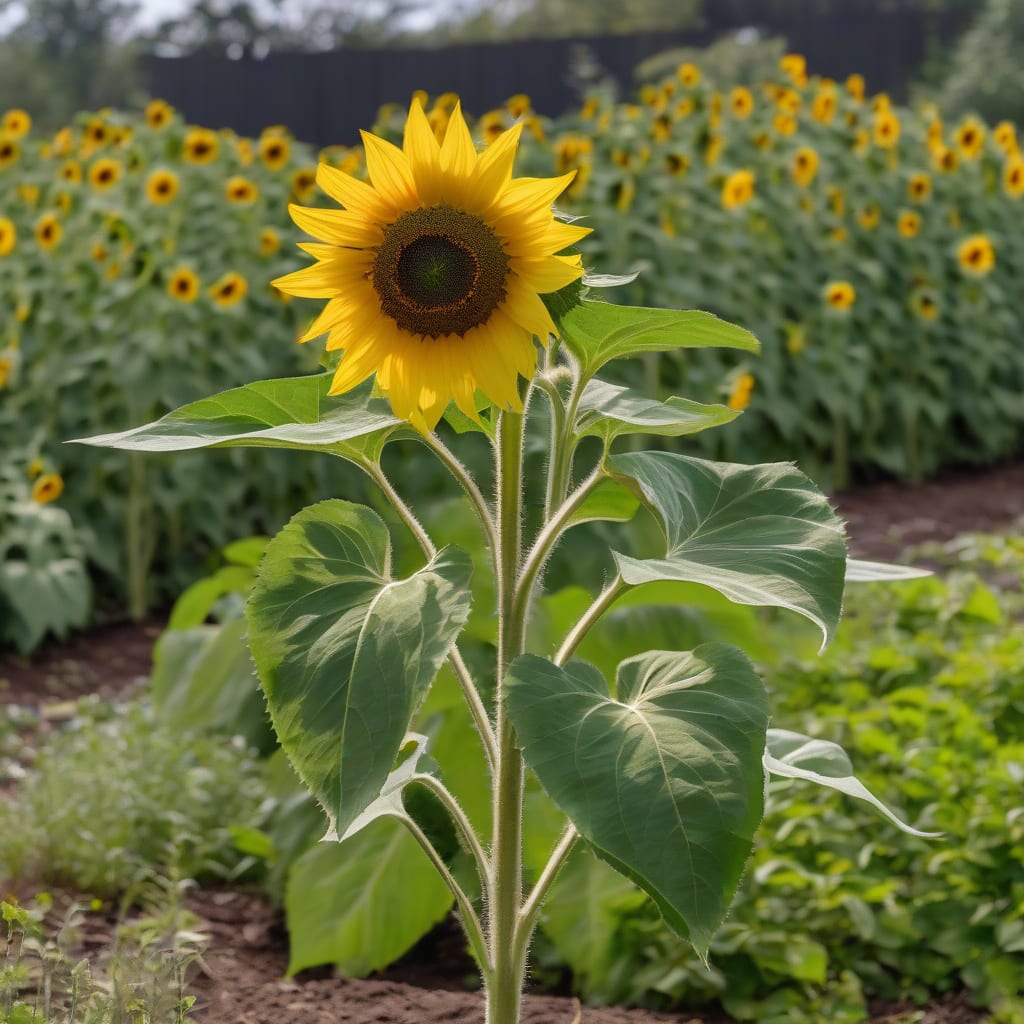
I’ve always been fascinated by the towering Mammoth Russian Sunflowers 🌻 that dominate garden landscapes. Their impressive height makes them a standout feature in any garden, and understanding their growth potential is key to planning your garden layout effectively.
Growing in USDA Zone 6, these sunflowers can reach remarkable heights, making them a dramatic addition to any garden. Let’s explore what makes them grow so tall and how you can encourage them to reach their full potential.

I’ve always been fascinated by how various factors can impact the height of Mammoth Russian Sunflowers 🌻. Understanding these elements is crucial for gardeners who want to maximize their sunflower’s growth potential. Let’s dive into the key factors that influence their height.
The height of Mammoth Russian Sunflowers is determined by a combination of genetic and environmental factors. While the variety itself has a natural height range, external conditions play a significant role in whether they reach their maximum potential. Factors such as soil quality, sunlight exposure, watering practices, and plant spacing all contribute to the final height of these impressive plants.
The quality of the soil is fundamental to the growth of Mammoth Russian Sunflowers. These plants thrive in well-draining soil that is rich in organic matter. Such soil conditions support healthy root development, which is crucial for the plant’s ability to reach its maximum height. Soil that is too dense or poorly draining can lead to root rot and stunted growth, while soil that is too sandy may not retain enough moisture 🌿.
Sunlight exposure is another critical factor. Mammoth Russian Sunflowers require full sun to achieve their maximum height. This means they need at least 6 hours of direct sunlight per day. Inadequate sunlight can result in leggy, weak plants that are unable to reach their full height potential ☀️.
Watering practices also play a significant role. Consistent moisture, especially during the germination and early growth stages, is vital. However, overwatering can lead to root rot, while underwatering can stress the plants and limit their growth. Aiming for 1-2 inches of water per week, either from rainfall or irrigation, is a good rule of thumb 💧.
Finally, plant spacing is an often-overlooked factor that can significantly impact the height of Mammoth Russian Sunflowers. Proper spacing, typically 18-24 inches between plants, allows for good air circulation, reduces competition for nutrients and water, and minimizes the risk of disease. Crowded plants are more likely to be stunted and less vigorous 🌻.
By understanding and optimizing these factors, gardeners can create the ideal conditions for their Mammoth Russian Sunflowers to reach their maximum height. Whether you’re growing these sunflowers for competition or simply for their dramatic presence in your garden, paying attention to these details can make all the difference.
As we continue to explore the growth potential of Mammoth Russian Sunflowers, it’s clear that their height is a result of a combination of natural genetic potential and careful cultivation practices. In the next section, we’ll examine the average and maximum heights achieved by these impressive plants.
Mammoth Russian sunflowers are known for their impressive height, which can vary based on growing conditions. Understanding the typical height range and the factors that influence it can help gardeners achieve optimal growth 🌻.
The average height of Mammoth Russian Sunflowers typically ranges between 6 to 12 feet, with some exceptional specimens reaching even greater heights under ideal conditions. The maximum height is often influenced by factors such as soil quality, sunlight exposure, and watering practices.
Most Mammoth Russian Sunflowers grow between 8 to 10 feet tall under normal garden conditions.
The tallest Mammoth Russian Sunflower on record reached an impressive 18 feet in ideal growing conditions.
Achieving maximum height requires optimal growing conditions, including rich soil, adequate sunlight, and proper watering.
In competitive gardening, Mammoth Russian Sunflowers are often grown under carefully controlled conditions to maximize their height. Gardeners may employ techniques such as strategic pruning and precision watering to encourage vertical growth 🌟.
For most gardeners, achieving a height of 8 to 10 feet is a realistic and impressive goal. This height range not only showcases the plant’s natural beauty but also makes it a striking feature in any garden 🌼.
By understanding the growth potential of Mammoth Russian Sunflowers and the factors that influence their height, gardeners can better plan their garden layouts and care routines. Whether aiming for average heights or pushing the limits to achieve record-breaking specimens, knowledge is key to success 🌱.
As we continue to explore the world of Mammoth Russian Sunflowers, it’s clear that their impressive height is just one of many characteristics that make them a beloved choice among gardeners. In the next section, we’ll delve into practical tips for maximizing their growth potential.
To help your Mammoth Russian Sunflowers reach their full height potential, I’ve found that several key gardening practices make a significant difference. Let’s explore these practical tips that can elevate your sunflower game 🌻.
For maximum height, ensure your sunflowers receive full sun and are planted in well-draining, nutrient-rich soil. Proper spacing and consistent moisture also play crucial roles in achieving optimal growth.
First, soil preparation is crucial. I recommend amending your soil with compost or well-rotted manure to improve its fertility and drainage. This step provides your sunflowers with the necessary nutrients for robust growth and helps them develop a strong root system 🌱.
Next, proper spacing is essential. Plant your Mammoth Russian Sunflowers about 18-24 inches apart to prevent overcrowding. This spacing allows for good air circulation, reduces competition for nutrients and water, and minimizes the risk of disease 🌼.
Watering consistently is another vital practice. Aim to provide about 1-2 inches of water per week, either through rainfall or irrigation. Consistent moisture, especially during the germination and early growth stages, promotes steady growth and helps prevent water stress 💧.
Additionally, consider using a balanced fertilizer during the growing season. A fertilizer with a ratio like 10-10-10 NPK can support healthy growth. However, be cautious not to over-fertilize, as this can lead to excessive foliage at the expense of height 🌿.
By implementing these tips, you can create an optimal environment for your Mammoth Russian Sunflowers to thrive and reach their maximum height potential. Happy gardening! 🌻
