
Beautiful Plants For Your Interior
Beautiful Plants For Your Interior
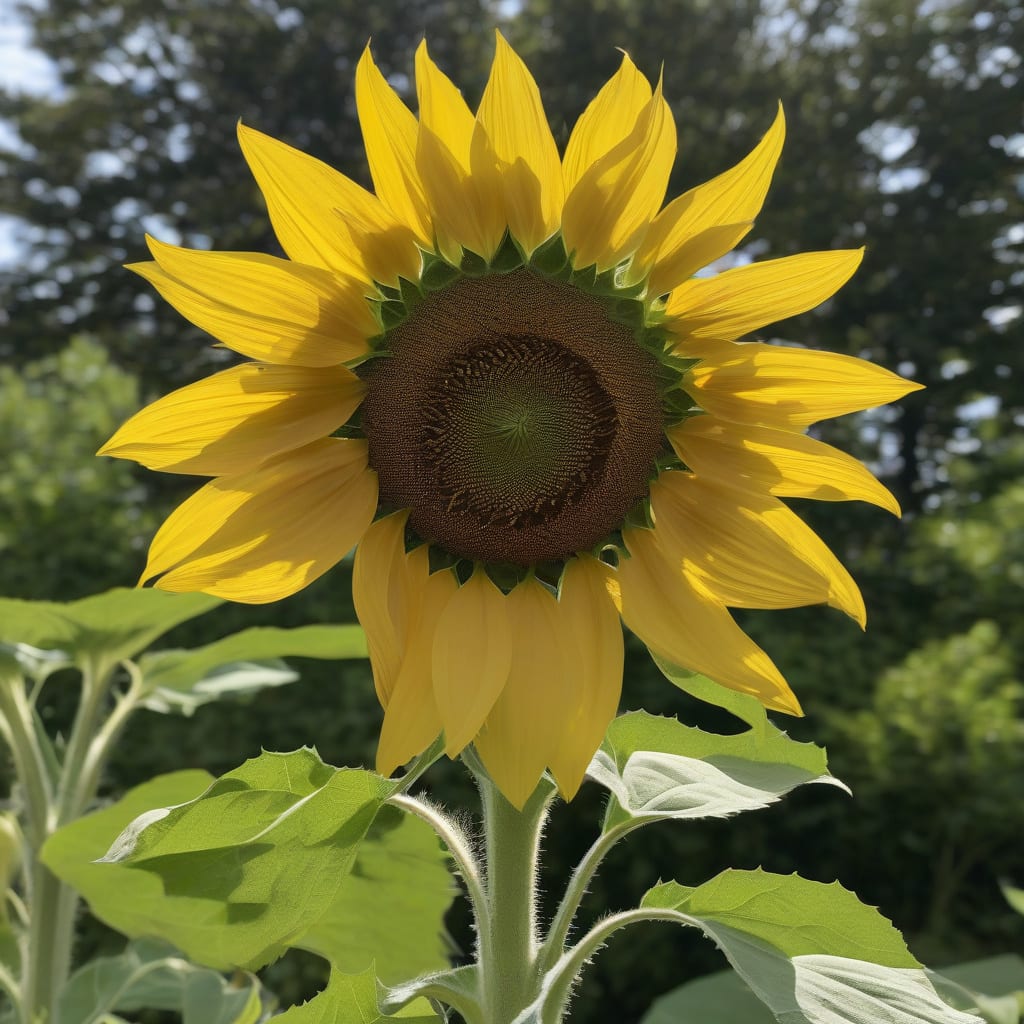
Sunflowers 🌻 are known for their impressive height, but just how tall can they grow? The answer might surprise even experienced gardeners in USDA Zone 6.
I’ll explore the factors that influence their growth and share tips for maximizing their height, helping you grow these towering flowers in your own garden.

6-12 ft

6-12 ft

6-12 ft

6-12 ft
Sunflowers are known for their impressive height, with some varieties growing taller than others. The tallest sunflower on record reached an incredible 25 feet 5 inches! 🌻
This exceptional height was achieved by a sunflower grown by Hans-Peter Schiffer in Germany in 2014, as recorded by the Guinness World Records. Such remarkable growth is not common, but it shows the potential of sunflowers when given optimal conditions.
The average height of sunflowers typically ranges between 6 to 12 feet, depending on the variety and growing conditions. Some dwarf varieties may only reach 2 feet, while other standard varieties can grow much taller. 🌼
Factors such as soil quality, sunlight exposure, and watering practices all play a crucial role in determining the final height of sunflowers. Proper care can help gardeners achieve impressive heights in their own gardens.
Sunflowers are annual plants that belong to the Asteraceae family. They are native to North America and were first domesticated by Native Americans. Today, sunflowers are grown worldwide for their beautiful flowers and nutritious seeds.
The height of sunflowers is influenced by both genetic and environmental factors. While some varieties are bred to be shorter, others have the genetic potential to grow very tall. Environmental factors such as soil fertility and adequate moisture also contribute to their growth.
In ideal conditions, with full sun and well-drained soil, sunflowers can achieve remarkable heights. Gardeners can support their growth by providing proper nutrition and staking when necessary.
Understanding the factors that contribute to sunflower height can help gardeners cultivate these impressive plants. By selecting the right variety and providing optimal growing conditions, anyone can grow tall sunflowers.
Sunflowers are not only admired for their height but also for their bright yellow petals and edible seeds. They are a popular choice for gardens and floral arrangements.
For those interested in growing sunflowers, knowing the potential maximum height can help in planning garden layouts and providing appropriate support. Whether you’re growing dwarf varieties or aiming for record-breaking heights, sunflowers can add beauty and interest to any garden.
Sunflower height is influenced by multiple factors that gardeners can control to achieve impressive growth. The genetic potential of the variety is the primary determinant, with some cultivars bred specifically for height 🌻.
Soil quality plays a crucial role in sunflower growth. Well-drained soil rich in organic matter and nutrients supports healthy root development, which is essential for tall sunflowers.
Sunlight exposure is another critical factor. Sunflowers require full sun for at least 6 hours daily to reach their maximum height potential. Shading can significantly limit their growth.
Watering practices also impact sunflower height. Consistent moisture, especially during the germination and early growth stages, is vital. However, overwatering can be detrimental, leading to root rot and stunted growth.
Nutrient availability affects sunflower height as well. A balanced fertilizer applied during the growing season can provide necessary nutrients for optimal growth.
By understanding and managing these factors, gardeners can create optimal conditions for their sunflowers to grow tall and healthy.
Each of these elements contributes to the overall health and development of sunflowers, ultimately influencing their final height.
For gardeners looking to maximize their sunflower’s height, focusing on these key areas can make a significant difference in the outcome.
Growing tall sunflowers requires careful planning and attention to detail. To maximize height, it’s essential to choose the right variety – look for cultivars known for their tall growth, such as Mammoth or Giant Sungold 🌻.
For maximum height, plant sunflowers in well-drained soil with full sun exposure and provide support as they grow.
Soil preparation is crucial for tall sunflowers. Ensure your soil is well-draining and rich in organic matter. Adding compost can improve soil fertility and structure.
Proper spacing is also vital. Plant seeds 6 inches apart in rows that are 3 feet apart. This allows for good air circulation and reduces competition for resources.
Watering deeply but infrequently encourages deep root growth, which supports tall stalks. Aim for about 1 inch of water per week, either from rainfall or irrigation.
Fertilization can promote healthy growth. Use a balanced fertilizer when planting, and consider side-dressing with high-phosphorus fertilizer to enhance root development and overall plant health.
As sunflowers grow, they may need support to prevent them from toppling over in the wind. Use stakes or trellises to keep them upright and encourage vertical growth.
By following these tips and providing optimal growing conditions, you can grow tall, healthy sunflowers that will be the envy of your garden.
