
Beautiful Plants For Your Interior
Beautiful Plants For Your Interior
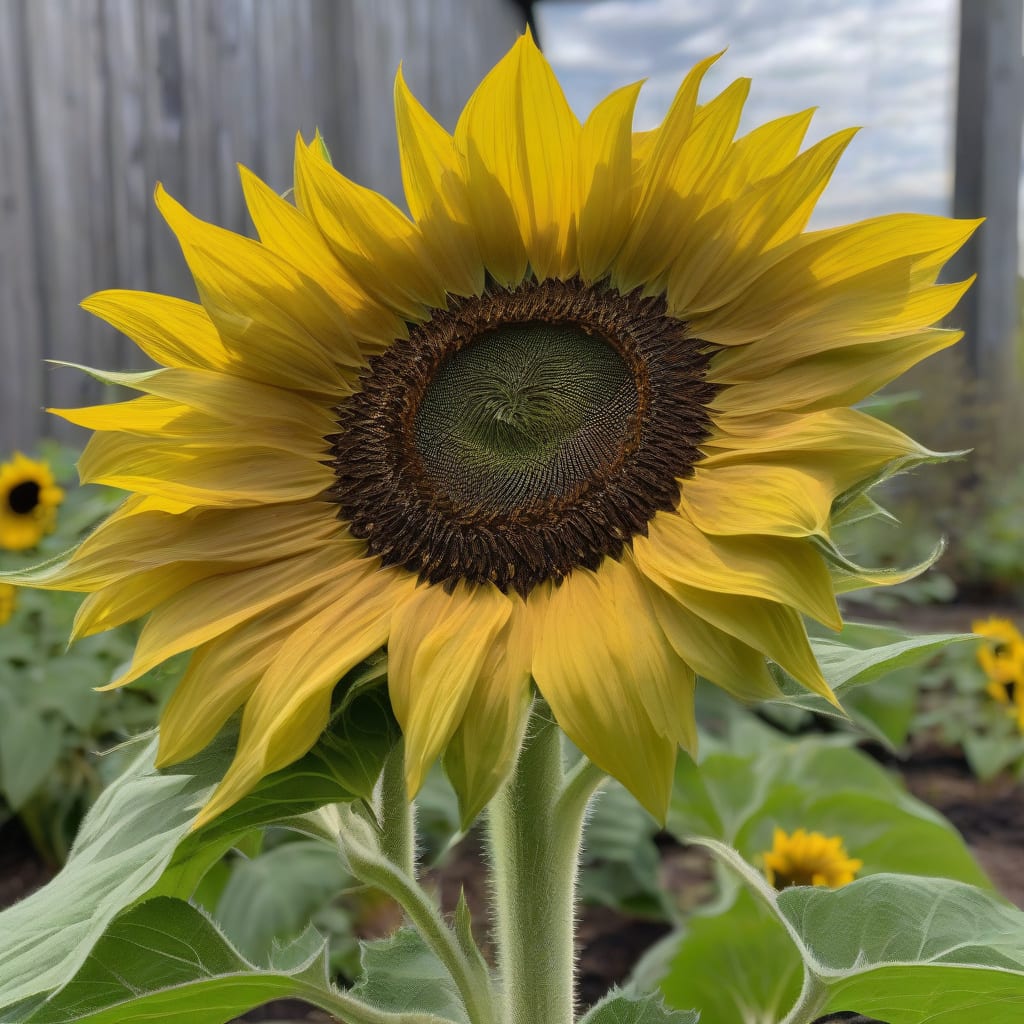
As I step into my garden, I’m always amazed by the towering 🌻 sunflowers that seem to touch the sky. Growing up to 12 feet tall in USDA Zone 6, these statuesque flowers are a sight to behold. But have you ever wondered what makes them grow so tall?
Understanding the factors that influence sunflower height can help you plan your garden effectively. From genetics to growing conditions, I’ll explore the key elements that determine just how tall these beautiful flowers can grow.


Sunflower height is influenced by multiple factors that gardeners can control to achieve optimal growth. The genetic makeup of the plant plays a crucial role in determining its maximum height potential. Some varieties are naturally bred to be taller or shorter than others 🌻.
Environmental conditions also significantly impact sunflower growth. Soil quality, sunlight exposure, and watering practices all contribute to how tall a sunflower will grow. Let’s explore these factors in more detail.
The genetic factor is the primary determinant of sunflower height. Different varieties have been bred for specific height ranges, from dwarf sunflowers that grow only a few feet tall to mammoth sunflowers that can reach heights of over 18 feet. The specific cultivar chosen will set the upper limit for the plant’s height.
Soil quality is another critical factor. Sunflowers prefer well-draining, nutrient-rich soil with a pH between 6.0 and 7.0. Poor soil conditions can limit root development and nutrient uptake, potentially stunting the plant’s growth. Adding organic matter like compost can improve soil fertility and structure.
Sunlight exposure is essential for sunflower growth. These plants require full sun, meaning at least 6 hours of direct sunlight per day. Insufficient sunlight can result in weak, spindly stems that are unable to support the weight of the flower head.
Watering practices also play a significant role. Sunflowers need consistent moisture, especially during the germination and early growth stages. However, overwatering can be detrimental, leading to root rot and other problems. A general rule is to provide about 1 inch of water per week, either through rainfall or irrigation.
In addition to these primary factors, other elements can influence sunflower height. Temperature, wind protection, and plant spacing all contribute to the overall health and development of the plant. Optimal temperatures for growth are between 65°F and 78°F (18°C and 25°C).
Support can also be a factor for particularly tall varieties. Providing stakes or other forms of support can help prevent the plants from toppling over in the wind, allowing them to reach their full height potential.
By understanding and optimizing these factors, gardeners can create conditions that allow their sunflowers to grow tall and healthy. The right combination of genetics, soil quality, sunlight, and watering practices will result in the most impressive sunflower displays 🌼.
It’s worth noting that sunflowers are generally considered easy to grow, making them a great choice for gardeners of all experience levels. With proper care and attention to the factors that influence their growth, anyone can enjoy these beautiful and towering plants in their garden.
For those looking to maximize their sunflower height, focusing on the key factors mentioned above will be crucial. By providing optimal growing conditions and choosing the right variety, gardeners can enjoy sunflowers that are not only tall but also healthy and vibrant.
Sunflowers come in a wide range of varieties, each with its own unique characteristics and growth patterns. Understanding the different types of sunflowers and their potential heights can help gardeners choose the right variety for their needs 🌻.
The height of sunflowers can vary significantly depending on the specific variety. Some sunflowers are bred to be compact and dwarf, while others can grow to be quite tall. Let’s explore the different types of sunflowers and their average and maximum heights.
The dwarf sunflower varieties are perfect for small gardens or containers. They typically grow to be around 2-4 feet tall and are great for adding a pop of color to any space 🌼.
Semi-dwarf sunflowers offer a bit more height, usually growing between 4-6 feet tall. These varieties are ideal for gardeners who want to add some height to their garden without overwhelming the space.
Standard sunflowers are the most common type and can grow to be quite tall, typically reaching heights of 6-12 feet. These sunflowers are perfect for creating a dramatic display in the garden.
Mammoth sunflowers are the tallest variety, with some plants reaching heights of over 18 feet. These giants are sure to make a statement in any garden 🌻.
When choosing a sunflower variety, it’s essential to consider the mature height of the plant to ensure it fits within your garden space. Proper planning and selection can help you achieve the desired visual impact.
In addition to their height, sunflower varieties also differ in their bloom times, flower sizes, and seed production. Understanding these characteristics can help gardeners make informed decisions about which varieties to grow.
By selecting the right sunflower variety for your garden, you can enjoy these beautiful flowers to their fullest potential. Whether you’re looking for compact dwarf varieties or towering mammoth sunflowers, there’s a type of sunflower to suit every gardener’s needs.
For more specific information on growing sunflowers, including tips on soil preparation and care, gardeners can refer to additional resources that provide detailed guidance on cultivating these beautiful plants.
To achieve the tallest possible sunflowers, gardeners need to focus on optimal growing conditions and proper care. The right combination of soil preparation, plant spacing, and ongoing maintenance can make a significant difference in plant height 🌻.
Test soil pH and amend if necessary. Add organic compost to improve soil structure and fertility.
Plant seeds 6 inches apart in rows that are 3 feet apart. Thin to 12-18 inches as they grow.
Water deeply once or twice a week, providing about 1 inch of water per week. Avoid overwatering.
By following these expert tips, gardeners can create ideal conditions for their sunflowers to reach their maximum height potential. Proper soil preparation and plant spacing are crucial for healthy root development and stem growth 🌼.
Regular maintenance is also essential. This includes keeping the area around the plants free of weeds, which can compete for water and nutrients. Additionally, providing support for particularly tall varieties can help prevent them from toppling over in the wind.
Monitoring for pests and diseases is another critical aspect of sunflower care. Regular inspections can help identify issues early, allowing for timely intervention. Common problems include aphids, downy mildew, and root rot.
With the right care and attention, sunflowers can thrive and reach impressive heights. By understanding and implementing these expert tips, gardeners can enjoy a stunning display of tall, healthy sunflowers in their garden 🌻.
