
Beautiful Plants For Your Interior
Beautiful Plants For Your Interior
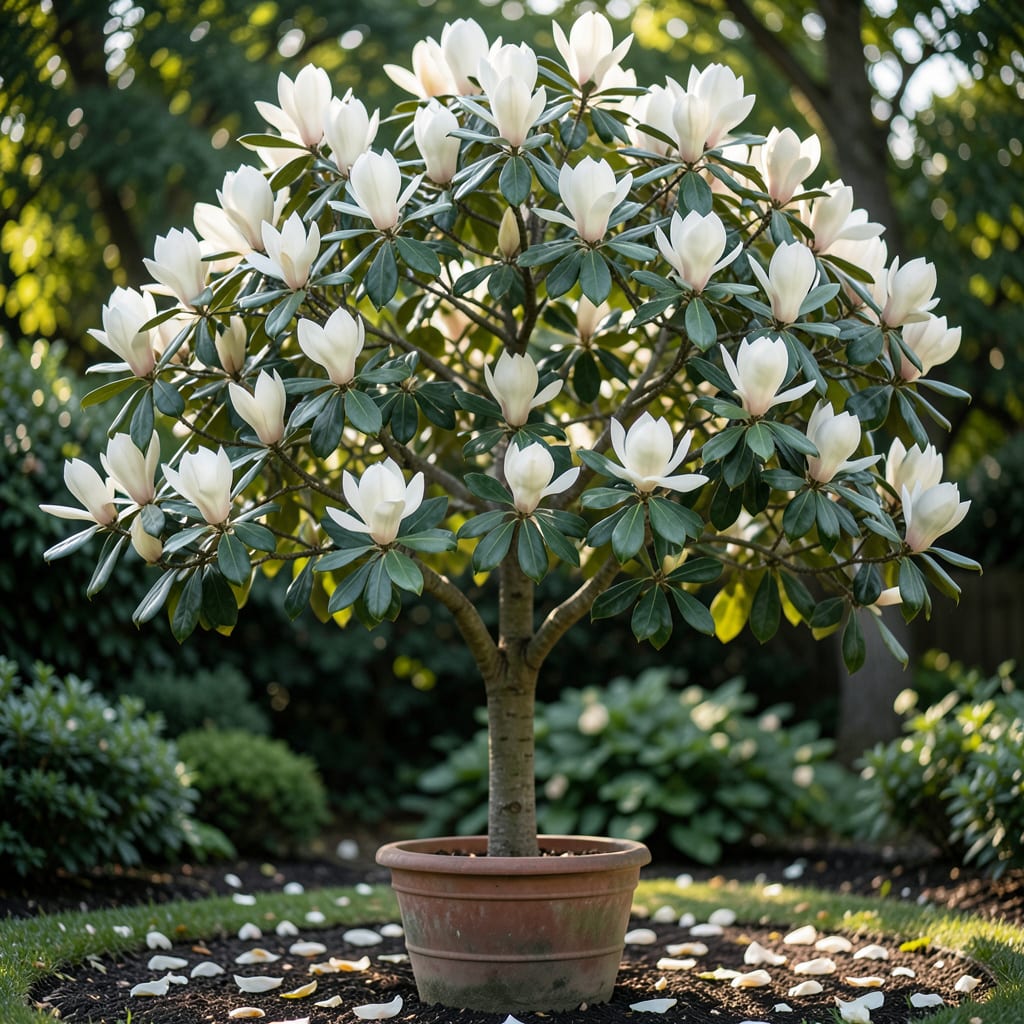
When planting a Magnolia 🌳 in your garden, understanding its growth potential is crucial for proper planning. These stunning trees can grow to varying heights depending on the species and growing conditions.
In USDA Zone 6, you can expect different magnolia varieties to reach their mature heights within a few decades. Let’s explore the factors that influence their growth and maximum heights you can expect.


Magnolia trees are known for their impressive growth, but their height is influenced by several key factors. The species of magnolia plays a significant role, as different varieties have distinct growth patterns. For example, the Southern Magnolia can grow much taller than the Lily Magnolia. 🌳
Climate and soil conditions also significantly impact magnolia growth. Trees growing in their ideal USDA zone (typically 6-9) with well-draining soil and adequate moisture will generally reach their maximum potential height. In contrast, less favorable conditions can limit their growth.
The species of magnolia is perhaps the most significant factor in determining its height. Some species, like the Southern Magnolia (Magnolia grandiflora), can grow up to 80 feet tall, while others, such as the Lily Magnolia (Magnolia liliiflora), typically reach much more modest heights of around 10-15 feet. 🌱
Climate is another crucial factor. Magnolias generally thrive in USDA zones 6-9, and growing them within their ideal zone can significantly impact their height potential. Soil quality also plays a vital role; well-draining, fertile soil with a slightly acidic pH promotes healthier growth and can help magnolias reach their maximum height.
Care practices, including watering, fertilizing, and pruning, also influence the height of magnolia trees. Regular watering and appropriate fertilization can support vigorous growth, while pruning can be used to maintain a desired height or shape.
By understanding these factors, gardeners can better predict and manage the growth of their magnolia trees, ensuring they thrive in their landscape.
Magnolias are not only known for their height but also for their stunning flowers and impressive foliage. Proper care can help these trees reach their full potential and become a beautiful focal point in any garden.
In summary, the height of magnolia trees is influenced by a combination of factors including species, climate, soil quality, and care practices. By considering these elements, gardeners can make informed decisions about planting and maintaining their magnolias.
Magnolia trees come in various species and cultivars, each with its own growth potential. Understanding the maximum height of different magnolia varieties helps gardeners choose the right tree for their landscape. The height of magnolias can range from 10 to 80 feet, depending on the specific variety and growing conditions 🌳.
Some magnolia species are naturally taller than others. For example, the Southern Magnolia can grow up to 80 feet tall, making it one of the tallest magnolia varieties. In contrast, smaller species like the Lily Magnolia typically reach heights of around 10-15 feet. The growth potential of magnolias is influenced by factors such as soil quality, climate, and care practices.
The Southern Magnolia (Magnolia grandiflora) is known for its impressive height, reaching up to 80 feet in ideal conditions. This evergreen magnolia is native to the southeastern United States and thrives in USDA zones 6-9. Its height makes it a striking feature in larger landscapes 🌲.
In contrast, the Lily Magnolia (Magnolia liliiflora) is a smaller variety, typically growing between 10-15 feet tall. This deciduous magnolia produces beautiful tulip-shaped flowers and is well-suited for smaller gardens or urban landscapes 🌸.
The Saucer Magnolia (Magnolia × soulangeana) is another popular variety, known for its large, showy flowers. It generally reaches heights of 20-30 feet and has a moderate growth rate. This deciduous magnolia is a hybrid between the Yulan magnolia and the lily magnolia 🌺.
When selecting a magnolia variety, it’s essential to consider the mature height of the tree and how it will fit into your landscape. Proper planning ensures that the tree has enough space to grow and thrive without becoming too large for the available space 🏠.
By understanding the growth potential of different magnolia varieties, gardeners can make informed decisions about which trees to plant and how to care for them. This knowledge helps ensure that magnolias reach their full potential and become a beautiful addition to any garden 🌼.
Managing the height of magnolia trees is crucial for maintaining their aesthetic appeal and ensuring they fit well within your landscape. Proper pruning techniques and care practices can help control their height and promote healthy growth 🌳.
Prune magnolias immediately after they finish flowering to avoid cutting off next year’s buds. Remove dead or damaged branches first, then thin out the interior to improve air circulation.
Pruning is an effective way to manage the height of magnolia trees. It’s best to prune magnolias immediately after they finish flowering, as they typically produce flowers on the previous year’s growth. Start by removing any dead or damaged branches, then thin out the interior of the tree to improve air circulation and allow more light penetration 🔍.
When pruning to control height, focus on reducing the tallest branches by cutting them back to a lateral bud or a lateral branch. This technique, known as reduction pruning, helps maintain the tree’s natural shape while managing its overall height 🌲.
In addition to pruning, proper care practices can influence the growth rate and ultimate height of magnolia trees. Ensure your magnolias receive adequate water, especially during dry periods, and apply a balanced fertilizer in the spring to promote healthy growth 💧.
Soil quality also plays a significant role in magnolia health and growth. Maintaining well-draining soil with a slightly acidic pH can support vigorous growth and help magnolias reach their full potential 🌿.
By combining proper pruning techniques with good care practices, you can effectively manage the height of your magnolia trees and enjoy their beauty for years to come 🌸.
Regular maintenance not only helps control the height but also enhances the overall health and appearance of the tree. With the right approach, your magnolias can thrive and remain a stunning feature in your garden 🏠.
Magnolia trees can grow to varying heights, typically ranging from 10 to 80 feet at maturity, depending on the species and growing conditions. Some varieties like the Southern Magnolia can reach impressive heights, while others remain more compact. Proper care and ideal conditions help them reach their maximum potential height .
Magnolias generally have a moderate growth rate, with some species growing faster than others. On average, they can grow about 1-2 feet per year under optimal conditions. Factors like soil quality, climate, and care practices significantly influence their growth rate .
Yes, you can manage the height of your magnolia tree through proper pruning techniques. Prune immediately after flowering to avoid cutting off next year’s buds. Focus on reducing the tallest branches and thinning out the interior to maintain the tree’s natural shape .
Several factors influence magnolia tree height, including species, climate, soil quality, and care practices. Choosing the right variety for your climate and providing proper care can help your magnolia reach its full potential height .
