
Beautiful Plants For Your Interior
Beautiful Plants For Your Interior
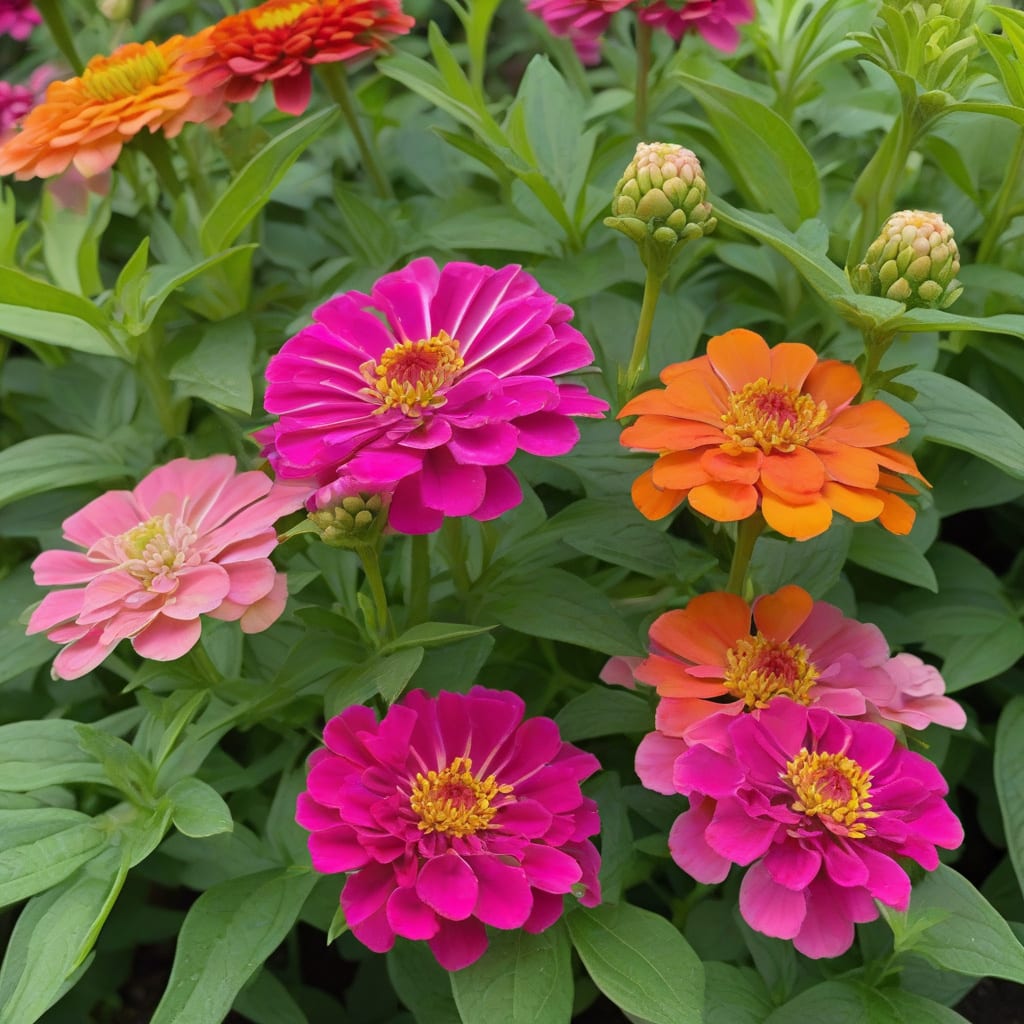
I’ve always been fascinated by the compact beauty of Lilliput Zinnias 🌼. These charming flowers bring vibrant color to gardens without overwhelming them. Growing in USDA Zone 6, they’ve become a summer staple in my garden.
Understanding their growth patterns is key to planning your flower beds effectively. Let’s explore how tall these delightful flowers can grow and what factors influence their height.

Lilliput zinnias are known for their compact growth, making them perfect for small gardens and containers. Typically, they grow between 1 to 2 feet tall, providing a knee-high burst of color in your garden 🌼.
The height of Lilliput zinnias can vary slightly based on growing conditions, but they generally remain within this range. This makes them ideal for gardeners looking for compact flowering plants that don’t overwhelm their garden beds.
When planning your garden, it’s helpful to know that Lilliput zinnias are relatively low-maintenance and can thrive in various conditions. Their compact size makes them suitable for border plantings or container gardens. By understanding their growth patterns, you can better incorporate them into your garden design.
The growth habit of Lilliput zinnias is naturally bushy, which means they don’t require extensive pruning or staking. This characteristic, combined with their vibrant blooms, makes them a popular choice for gardeners looking to add color and texture to their outdoor spaces.
To maximize their growth potential, ensure that Lilliput zinnias receive adequate sunlight and are planted in well-draining soil. These conditions will help them reach their optimal height and produce an abundance of flowers.
In comparison to other zinnia varieties, Lilliput zinnias are on the smaller side, making them perfect for gardens where space is limited. Their compact size does not compromise on the vibrancy of their blooms, making them a great choice for adding a pop of color to any garden.
Gardeners often appreciate the versatility of Lilliput zinnias, as they can be used in various garden designs, from formal borders to informal cottage gardens. Their relatively short growth period also means you can enjoy their blooms within a couple of months of planting.
Overall, Lilliput zinnias offer a delightful combination of compact growth and vibrant blooms, making them an excellent choice for gardeners of all skill levels. Whether you’re looking to add some color to a small balcony or enhance your garden borders, Lilliput zinnias are sure to impress 🌼.
The height of Lilliput zinnias can be influenced by several factors, making it essential to understand these elements to optimize their growth. One of the primary factors is soil quality. Lilliput zinnias thrive in well-draining soil that is rich in organic matter 🌼.
Sunlight is another critical factor affecting the height of Lilliput zinnias. These plants require full sun to grow to their optimal height, needing at least 6 hours of direct sunlight per day.
Lilliput zinnias are sensitive to watering practices. Both overwatering and underwatering can impact their height and overall health.
Watering practices play a significant role in determining the height of Lilliput zinnias. Consistent moisture is key, but overwatering can lead to root rot, stunting their growth.
The spacing between plants is also crucial. Lilliput zinnias should be spaced adequately to allow for good air circulation, which helps prevent diseases that could affect their height.
Fertilization can also impact the height of Lilliput zinnias. Using a balanced fertilizer during the growing season can promote healthy growth and maximize their height potential.
By understanding and controlling these factors, gardeners can create optimal conditions for Lilliput zinnias to reach their full potential height of 1 to 2 feet.
It’s worth noting that while these factors can influence height, Lilliput zinnias are generally compact and will remain within a certain height range even with less-than-ideal conditions.
For gardeners looking to maximize height, focusing on soil quality, adequate sunlight, and proper watering practices will be most effective.
Managing the height of Lilliput zinnias effectively can enhance their appearance and overall garden design. One practical approach is to use pinching techniques when the plants are young 🌱.
Pruning is another effective method to control height. By removing the top sets of leaves, you encourage the plant to branch out, resulting in a bushier growth habit that can be more visually appealing.
Ensure the soil is well-draining and rich in organic matter to support healthy root development.
Lilliput zinnias require full sun to thrive, so ensure they receive at least 6 hours of direct sunlight daily.
Keep the soil consistently moist but avoid overwatering to prevent root rot and promote healthy growth.
By implementing these strategies, you can effectively manage the height of your Lilliput zinnias and enjoy a vibrant, well-balanced garden display 🌼.
These techniques not only help in maintaining the desired height but also contribute to the overall health and flowering capacity of the plants. Regular monitoring and adjustments will ensure your Lilliput zinnias remain a beautiful addition to your garden.
For optimal results, combine these tips with the knowledge of the factors influencing their height, such as soil quality, sunlight, and watering practices.
