
Beautiful Plants For Your Interior
Beautiful Plants For Your Interior
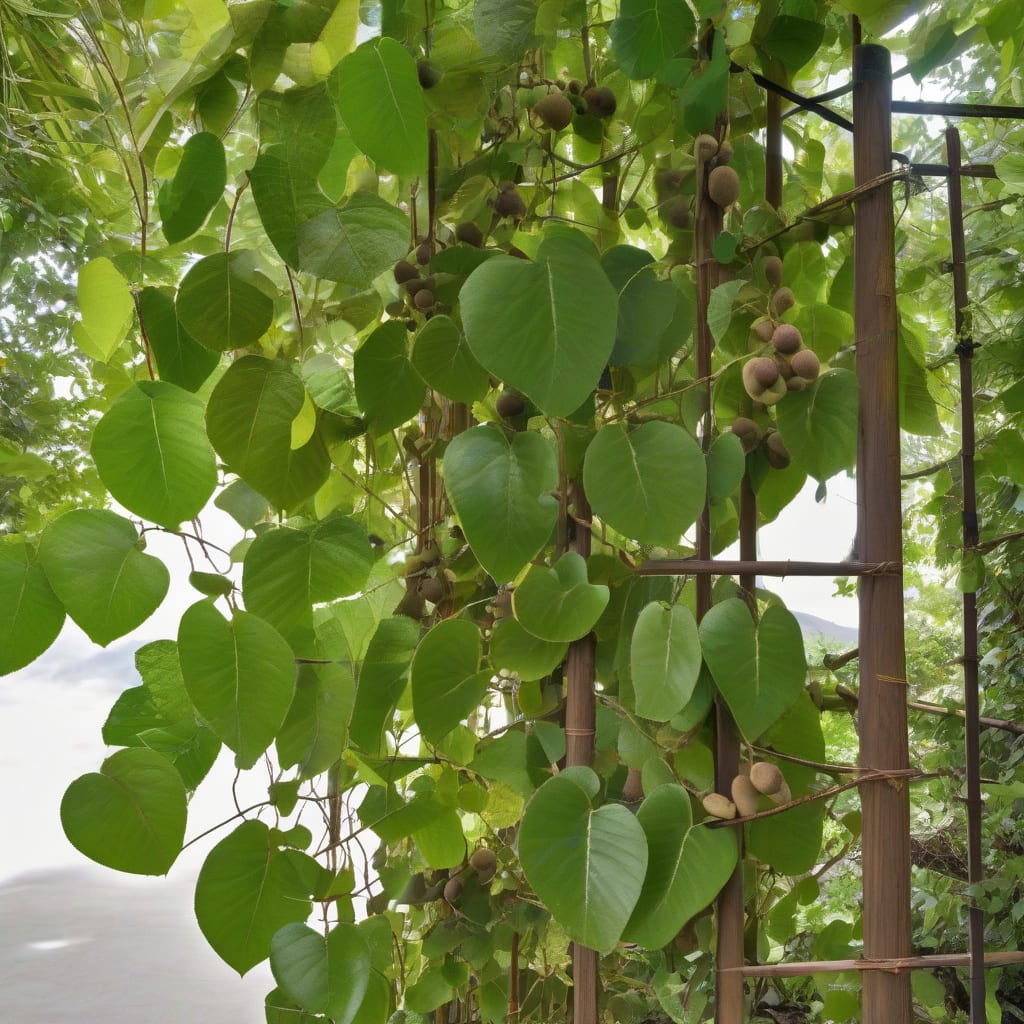
Growing Kiwi 🥝 trees can be a rewarding experience, but understanding their growth patterns is essential. In USDA Zone 6, these vines can grow quite tall, reaching heights of 10-30 feet when mature.
To manage their height effectively, it’s crucial to understand their growth habits and pruning requirements. Let’s explore the factors that influence Kiwi tree height and how to cultivate them successfully in your garden.


Kiwi trees are vigorous climbing plants that require proper support and maintenance to reach their full potential. In ideal conditions, they can grow quite tall, making them a significant addition to any garden or landscape.
The height of kiwi trees varies depending on factors such as variety, growing conditions, and pruning practices. Generally, kiwi vines can grow between 10 to 30 feet tall, with some varieties reaching even greater heights when given optimal support 🌳.
Kiwi trees are known for their vigorous growth, especially during the first few years after planting. They require full sun and well-draining soil to thrive. The growth rate can be influenced by factors such as soil quality, watering, and fertilization practices.
In the first year, kiwi trees typically grow about 3 feet, with this rate increasing to 6 feet in the second year, and 10 feet by the third year. Proper care and support are crucial during these initial growth stages to ensure the plant reaches its maximum height potential.
The mature height of kiwi trees can vary significantly based on the variety. Standard kiwi varieties tend to grow taller, reaching heights of 15-20 feet, while dwarf and semi-dwarf varieties can range from 10-30 feet.
Understanding these growth patterns is essential for gardeners to plan their kiwi cultivation effectively. By providing the right support structures and maintenance, kiwi trees can be managed to reach their desired height while maintaining their health and productivity 🌱.
To achieve the best results, it’s essential to consider factors such as soil quality, watering practices, and fertilization. These elements play a crucial role in supporting the vigorous growth of kiwi trees and ensuring they reach their full height potential.
By understanding the growth habits and height potential of kiwi trees, gardeners can make informed decisions about planting, supporting, and maintaining these remarkable plants. Whether you’re cultivating kiwi for their delicious fruit or ornamental value, knowing what to expect in terms of growth can help you create a thriving and productive garden.
Kiwi trees are not only valued for their fruit but also for their ornamental qualities. Their vigorous growth and ability to cover structures make them an excellent choice for gardeners looking to create natural screens or decorative features.
In summary, kiwi trees are capable of growing quite tall when given the right conditions and care. By understanding their growth habits and managing their height through proper pruning and support, gardeners can enjoy the many benefits these plants have to offer.
Kiwi tree height is influenced by several key factors that gardeners must consider for successful cultivation. Understanding these elements helps in creating optimal growing conditions for these vigorous climbing plants.
Environmental factors play a crucial role in determining kiwi tree height. The amount of sunlight directly impacts growth, with kiwi trees requiring full sun to reach their maximum height potential. Soil quality is equally important, as well-draining soil with proper nutrient content supports healthy root development and overall plant growth.
The cultivation practices employed by gardeners also significantly affect kiwi tree height. Regular pruning is essential for managing the height of kiwi trees while maintaining their productivity. Proper training of the vines on support structures is equally important for optimal growth and height management.
By understanding and controlling these factors, gardeners can effectively manage the height of their kiwi trees. This not only helps in maintaining a manageable plant size but also ensures optimal fruit production and overall plant health 🌳.
Optimal growing conditions combined with proper care techniques enable kiwi trees to reach their full height potential. Gardeners should focus on creating an environment that supports vigorous growth while implementing regular maintenance practices to control height.
The interplay between environmental factors and cultivation practices determines the ultimate height of kiwi trees. By balancing these elements, gardeners can cultivate healthy, productive kiwi plants that thrive in their garden environment.
Regular monitoring of the plant’s growth and adjusting care practices accordingly is crucial for achieving the desired height while maintaining plant health. This proactive approach helps in addressing any issues that may arise during the growth cycle.
Effective pruning is crucial for managing kiwi tree height while maintaining their productivity. Proper pruning techniques help control vigorous growth and ensure optimal fruit production.
Prune annually during dormant season (winter) to control height and promote healthy growth 🌱.
Remove any dead or damaged branches to maintain plant health and direct energy to productive growth.
Thin out excessive growth to improve air circulation and allow sunlight to reach fruiting branches.
Regular pruning helps maintain a balanced structure and promotes fruiting. By following these steps, gardeners can effectively manage kiwi tree height while ensuring optimal productivity.
Pruning also encourages the growth of new fruiting canes, which are essential for a bountiful harvest. Proper pruning techniques are vital for maintaining the overall health and productivity of kiwi trees.
By incorporating these pruning techniques into your kiwi tree care routine, you can enjoy a thriving and productive kiwi plant that remains manageable in size 🌳.
