
Beautiful Plants For Your Interior
Beautiful Plants For Your Interior
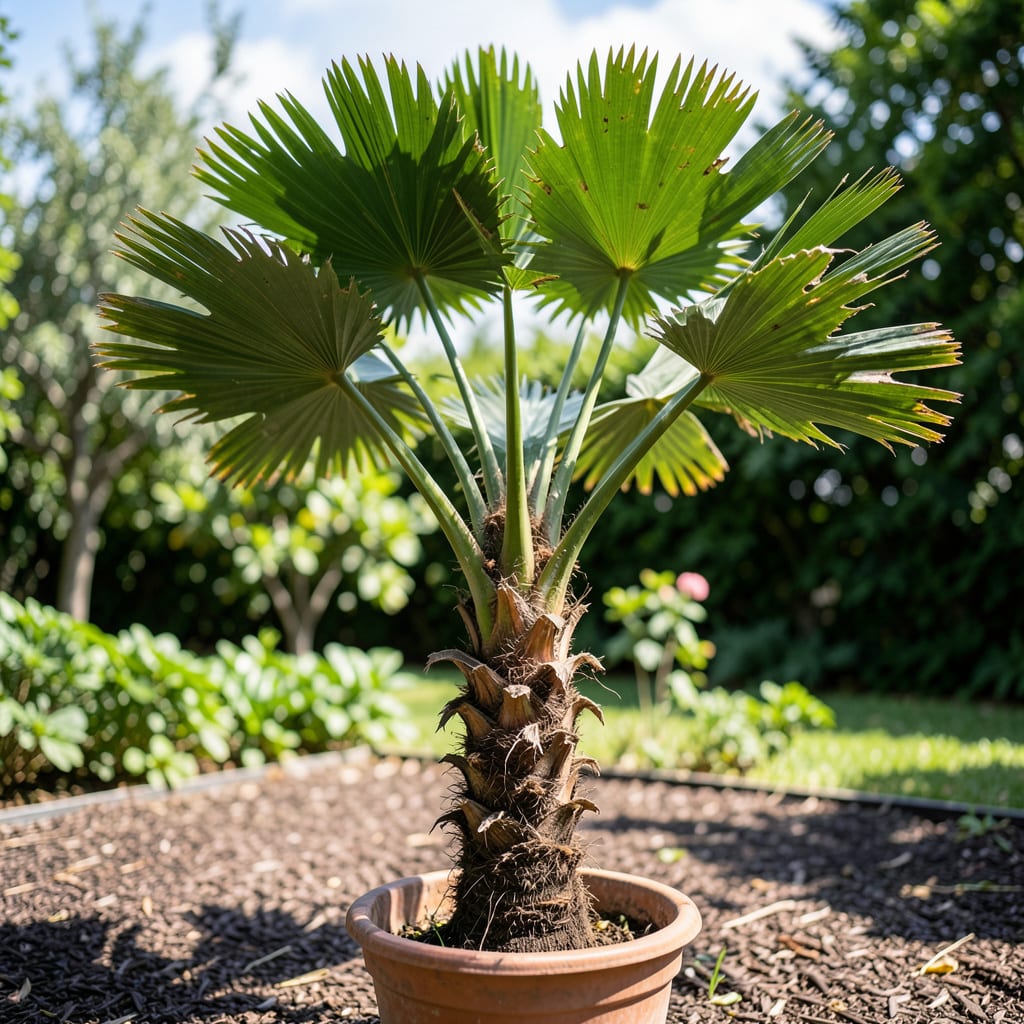
When I think about adding a dramatic touch to landscapes, Fan Palms 🌴 immediately come to mind. These stunning trees can grow to varying heights depending on the species and growing conditions.
Understanding how tall Fan Palms can grow is crucial for planning your garden or landscape in USDA Zone 6 and ensuring you provide the right care for optimal growth.

When considering fan palms for landscaping, understanding their potential height is crucial for proper planning. Different species can grow to varying heights, impacting both the aesthetic and practical aspects of garden design.
The height of fan palms can range significantly based on the specific variety and growing conditions. Some species remain relatively compact, while others can reach impressive heights.
The Dwarf Fan Palm typically grows to 12-15 feet, making it an ideal choice for smaller gardens or container planting. Its compact size allows for versatile landscaping options without overwhelming the space.
In contrast, the Standard Fan Palm can reach heights of 30-70 feet, providing a dramatic focal point in larger landscapes. This significant height range makes it essential to choose the right species based on available space and desired impact.
Growth rates also vary among fan palm species. Some grow relatively slowly, while others can add several feet per year under optimal conditions. Understanding these growth patterns helps in planning long-term landscape development.
When selecting fan palms, consider both the mature height and the growth rate to ensure the chosen species fits your landscape design and maintenance capabilities.
Fan palms generally prefer full sun and well-drained soil, which supports their growth potential. Proper care, including regular watering and fertilization during the growing season, can help achieve maximum height.
The maximum height of fan palms is influenced by factors such as climate, soil quality, and available sunlight. In ideal conditions, these palms can enhance the surrounding landscape with their majestic presence.
By understanding the height potential of different fan palm species, landscapers and gardeners can make informed decisions about which varieties to plant and how to manage their growth effectively.
Regular pruning may be necessary for taller species to maintain a desired height or to remove dead fronds. This maintenance helps keep the palms healthy and visually appealing.
Fan palms can add significant vertical interest to landscapes, creating a tropical or subtropical ambiance. Their height can also provide shade and shelter in garden settings.
In summary, fan palms offer a range of heights to suit various landscaping needs, from compact dwarf varieties to towering standard types. Choosing the right species and providing appropriate care can help achieve the desired height and overall landscape effect 🌴.
When growing fan palms, understanding the factors that influence their height is crucial for achieving optimal growth. The maximum height of fan palms can vary significantly based on several key factors 🌴.
One of the primary factors affecting fan palm height is climate. Fan palms thrive in warm, tropical, and subtropical regions. In areas with mild winters and long growing seasons, fan palms can reach their full height potential.
The height of fan palms is influenced by factors such as climate, soil quality, and available sunlight. Proper care, including regular watering and fertilization, can help achieve maximum height.
Soil quality plays a significant role in fan palm growth. These palms prefer well-drained soil rich in organic matter. Soil that is too dense or poorly drained can limit root development, potentially stunting the palm’s growth.
Sunlight is another critical factor. Fan palms generally require full sun to thrive. Inadequate sunlight can result in leggy growth or reduced overall height.
Watering practices also impact fan palm height. While established palms are relatively drought-tolerant, consistent moisture during the growing season promotes healthier growth and can contribute to achieving maximum height.
Fertilization is essential for optimal growth. Using a balanced fertilizer during the growing season can provide necessary nutrients for healthy development and maximum height potential.
By understanding and managing these factors, gardeners and landscapers can create conditions that support the optimal growth of fan palms, helping them reach their full height potential 🌿.
In summary, the height of fan palms is influenced by a combination of environmental and care-related factors. By providing the right conditions and proper care, you can help your fan palms achieve their maximum growth potential.
When incorporating fan palms into your landscape design, managing their height is crucial for maintaining the desired aesthetic and ensuring the palm remains healthy. Proper management techniques can help you achieve the perfect balance between the palm’s natural growth and your landscape’s specific needs.
Regular pruning is essential for maintaining the desired height of fan palms and removing dead or damaged fronds. Prune carefully to avoid damaging the trunk or leaving unsightly stubs.
Pruning is a critical aspect of managing fan palm height. By selectively removing fronds, you can control the palm’s height and maintain its natural appearance. It’s essential to prune fan palms during their dormant season to minimize stress on the plant.
Placement strategies also play a significant role in managing fan palm height. When planting, consider the mature height of the palm and its growth rate to ensure it has enough space to grow without becoming too large for the surrounding landscape.
For smaller landscapes or areas where a compact growth habit is desired, dwarf or semi-dwarf fan palm varieties are excellent choices. These varieties naturally grow to a more manageable height, reducing the need for frequent pruning.
In larger landscapes, standard fan palms can be used as dramatic focal points. Their height can add significant vertical interest and create a tropical ambiance. However, regular maintenance, including pruning, may be necessary to keep these palms looking their best.
By combining proper pruning techniques with thoughtful placement strategies, you can effectively manage the height of fan palms in your landscape. This approach ensures that your palms remain healthy and visually appealing while contributing to the overall beauty of your garden 🌴.
In summary, managing fan palm height involves a combination of regular pruning, appropriate placement, and selecting the right variety for your landscape needs. With these strategies, you can enjoy the beauty of fan palms while maintaining a balanced and attractive garden design.
Fan palms can grow to varying heights depending on the species. Dwarf varieties typically reach 12-15 feet, while standard fan palms can grow between 30-70 feet tall. The height potential is influenced by factors like climate, soil quality, and available sunlight .
Fan palms have varying growth rates. Some species grow relatively slowly, while others can add several feet per year under optimal conditions. On average, you can expect 1-3 feet of growth per year during the palm’s early stages. Proper care, including regular watering and fertilization, supports healthy growth.
Yes, you can manage the height of your fan palm through regular pruning and proper placement strategies. Pruning involves selectively removing fronds to control height and maintain appearance. It’s best to prune during the dormant season to minimize stress. Choosing dwarf or semi-dwarf varieties is another way to maintain a more compact growth habit.
Fan palms thrive in warm climates with mild winters and long growing seasons. They prefer full sun and well-drained soil rich in organic matter. Consistent moisture during the growing season and balanced fertilization also contribute to achieving maximum height potential. Proper care creates ideal conditions for fan palms to reach their full height .
