
Beautiful Plants For Your Interior
Beautiful Plants For Your Interior
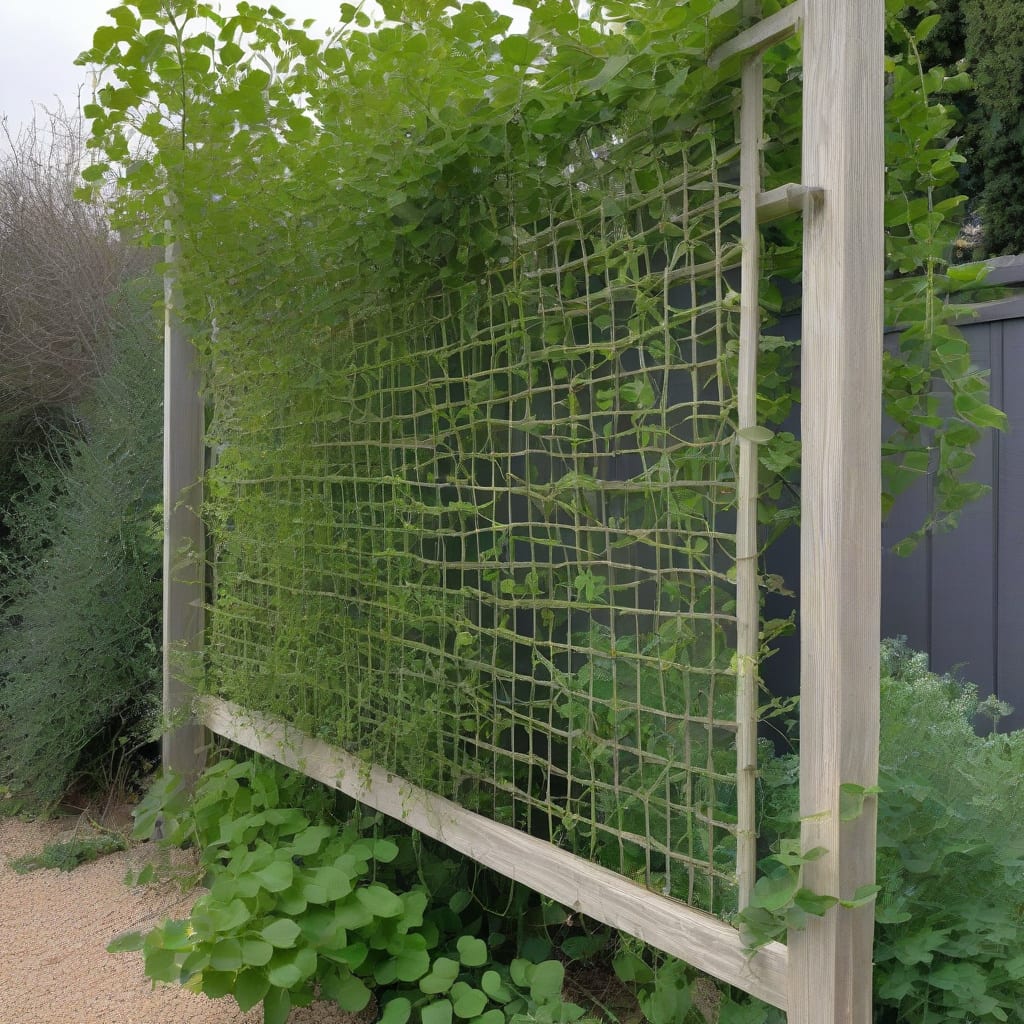
When growing 🌱 Chickpea plants, understanding their height is crucial for planning your garden layout. These versatile plants can grow between 2-4 feet tall, depending on the variety and growing conditions.
As a gardener in USDA Zone 6, you can expect your Chickpea plants to reach their full height during the spring planting season, from April to May. Proper care and support will help them thrive and produce a bountiful harvest.

2-3 ft

2-4 ft

2-4 ft

3-4 ft
Chickpea plants are known for their versatility and nutritional value, but understanding their growth patterns is essential for successful cultivation. The height of chickpea plants can vary significantly based on the variety and growing conditions.
Typically, chickpea plants can grow between 2-4 feet tall, with some varieties reaching heights of up to 4 feet under optimal conditions. The plants have a branching habit, producing multiple stems that can become quite dense.
The growth pattern of chickpea plants is influenced by several factors, including soil quality, sunlight exposure, and watering practices. Chickpeas prefer well-draining soil withstrong>fer • • Full sun for at least spoiler will produce more pods. Generally, • 6+ hours of direct sunlight daily is ideal.
Chickpea plants are also relatively drought-tolerant, but consistent moisture during the flowering and podding stages can significantly improve yield. Proper watering practices and soil preparation are key to maximizing the height and productivity of chickpea plants 🌿.
Understanding these growth characteristics helps gardeners plan their garden layout and provide appropriate care for their chickpea plants. By optimizing growing conditions, gardeners can ensure their chickpea plants reach their full potential height and produce a bountiful harvest.
For gardeners looking to maximize their chickpea yield, understanding the plant’s height and growth habits is crucial. This knowledge allows for better planning and care, ensuring that the plants receive the support they need to thrive.
Chickpea plants can be a valuable addition to any garden, providing not only a nutritious crop but also improving soil health through their nitrogen-fixing abilities. By incorporating chickpeas into your garden, you can enhance biodiversity and improve overall soil fertility 🌱.
In conclusion, chickpea plants are a versatile and rewarding crop for gardeners. Their ability to grow between 2-4 feet tall, combined with their nutritional benefits and soil-enhancing properties, makes them an excellent choice for gardeners of all experience levels.
Understanding the factors that influence chickpea plant height is crucial for achieving optimal growth and maximizing yield. Several key elements can impact how tall chickpea plants grow, including soil quality, sunlight exposure, and watering practices. 🌿
Chickpeas thrive in well-draining soil with a good balance of nutrients. Soil that is too dense or lacking in essential nutrients can limit plant growth. Ensuring your soil is rich in organic matter and has a pH between 6.0 and 7.0 can promote healthier, taller plants.
For optimal chickpea growth, ensure your soil is well-draining and rich in organic matter. A pH between 6.0 and 7.0 is ideal for promoting healthy plant development.
Sunlight exposure is another critical factor in determining chickpea plant height. Chickpeas require full sun for at least 6 hours of direct sunlight daily. Inadequate sunlight can result in leggy growth or reduced plant height.
Watering practices also play a significant role in chickpea plant development. While chickpeas are relatively drought-tolerant, consistent moisture during the flowering and podding stages can significantly improve yield and promote healthier growth.
By optimizing these factors, gardeners can create an environment that supports the optimal growth of chickpea plants, helping them reach their full potential height and produce a bountiful harvest.
In addition to these factors, proper spacing between plants can also impact their growth. Planting chickpeas with adequate space allows for better air circulation and light penetration, contributing to overall plant health.
For gardeners looking to maximize their chickpea yield, understanding and managing these influencing factors is key. By providing the right conditions, you can ensure your chickpea plants grow strong and healthy, reaching their maximum height and producing a plentiful harvest 🌟.
As chickpea plants grow between 2-4 feet tall, they may require support to prevent lodging and promote better pod production. Providing structural support is particularly important for taller varieties 🌿.
There are several effective methods for supporting chickpea plants as they grow tall. Using stakes or trellises can help keep plants upright and encourage better air circulation around the foliage.
When providing support, it’s essential to do so gently to avoid damaging the plants. Support should be installed early in the growing season, before plants become too tall or begin to lean 🌟.
Regular monitoring of plant growth will help determine the best support method for your specific chickpea variety. By providing appropriate support, you can maximize your chickpea yield and ensure a successful harvest 🌱.
Proper support not only helps maintain plant structure but also improves air circulation, reducing the risk of disease and promoting healthier growth.
In conclusion, supporting chickpea plants as they grow tall is a crucial step in achieving a bountiful harvest. By using the right support methods, gardeners can ensure their chickpea plants remain healthy and productive throughout the growing season.
