
Beautiful Plants For Your Interior
Beautiful Plants For Your Interior
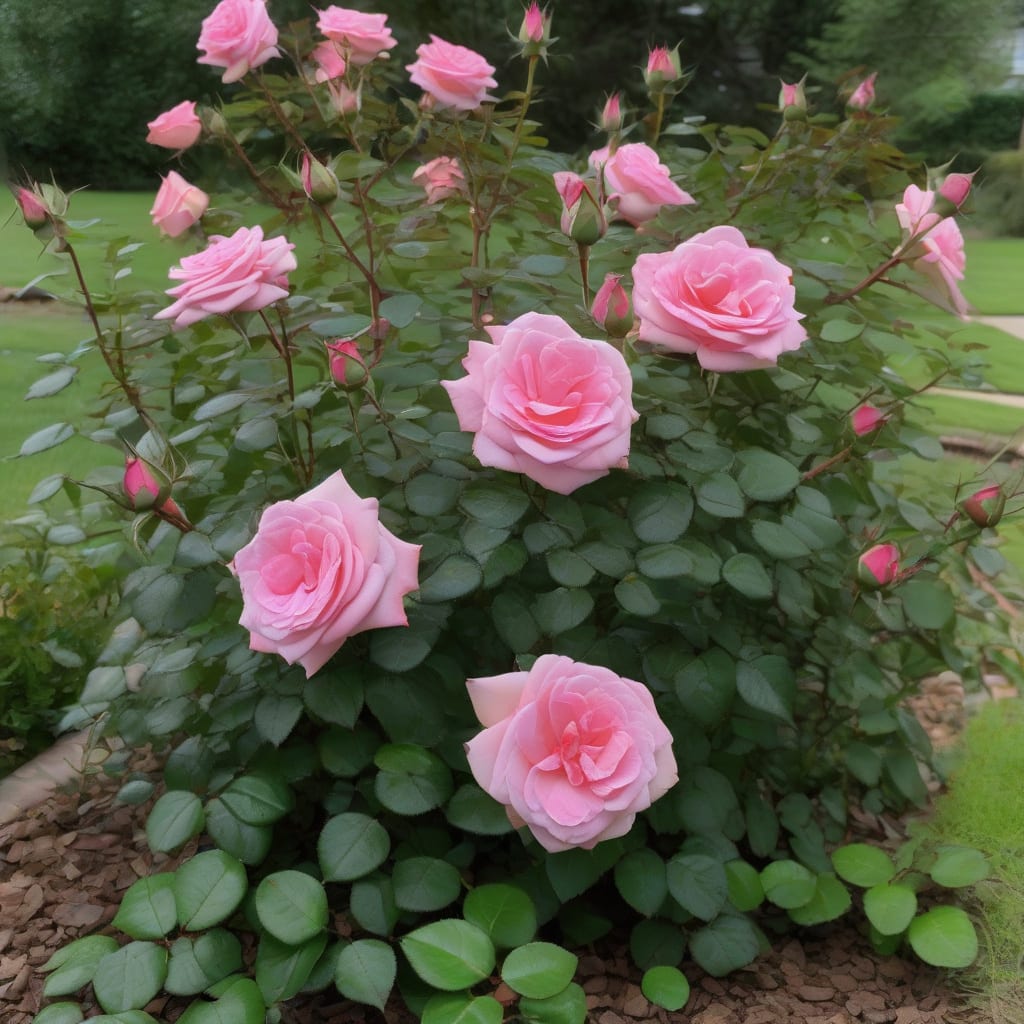
When I first planted my 🌹 Rose Tree, I wondered how tall it would grow. Understanding the growth potential of these beautiful plants is crucial for proper garden planning and care.
Rose Trees can grow between 6-20 feet tall, depending on the variety and growing conditions in your USDA Zone 6 garden. Let’s explore what affects their height and how to manage their growth.


Rose trees can grow to varying heights depending on several key factors. The variety of rose tree is one of the most significant determinants of its potential height. Different types of rose trees have different growth habits and maximum heights.
Other important factors include soil quality, sunlight, and pruning practices. Soil that is rich in nutrients and has good drainage can support healthier growth, while adequate sunlight is essential for photosynthesis and overall plant health. Regular pruning can also influence the height and shape of a rose tree.
The variety of rose tree plays a crucial role in determining its height. For example, climbing roses can grow much taller than dwarf rose trees. Understanding the specific characteristics of your rose tree variety is essential for anticipating its growth potential.
Soil quality is another vital factor. Soil that is rich in organic matter and has good drainage can support more vigorous growth. Regular fertilization can also promote healthier and potentially taller growth.
Sunlight is essential for the photosynthesis process, which is critical for the growth of rose trees. Most rose trees require at least 6 hours of direct sunlight per day to thrive.
Pruning practices can significantly influence the height of a rose tree. Regular pruning can help control the height and encourage a more compact and bushy growth habit. Pruning also promotes better air circulation and can help prevent disease.
In summary, the height of a rose tree is influenced by a combination of factors including variety, soil quality, sunlight, and pruning practices. By understanding and managing these factors, you can help your rose tree reach its full potential height while maintaining its health and vigor 🌹.
For more specific guidance on managing rose tree height, it’s helpful to consider the particular needs and characteristics of your tree. This includes understanding the optimal growing conditions for your specific variety and adjusting your care practices accordingly.
By paying attention to these details, you can ensure that your rose tree remains healthy and grows to its maximum potential height. Regular monitoring and appropriate care will help you achieve the best results for your garden.
Rose trees come in various types, each with its own growth characteristics and maximum height potential. Understanding these differences is crucial for gardeners to make informed decisions about which varieties to plant and how to care for them.
The height of rose trees can vary significantly depending on the variety. Climbing roses are known for their vigorous growth and can reach heights of 8-20 feet, making them ideal for trellises or arbors. In contrast, shrub roses tend to be more compact, typically growing to be between 3-6 feet tall 🌿.
Hybrid tea and standard roses usually fall somewhere in between, with heights ranging from 4-6 feet. Understanding these height ranges is essential for planning your garden layout and ensuring that your rose trees have enough space to grow.
When selecting a rose tree variety, it’s also important to consider the growth habit. For example, climbing roses require support as they grow, while shrub roses can be used as standalone plants or in hedges 🌹.
By choosing the right variety for your garden and providing appropriate care, you can enjoy the beauty and fragrance of rose trees for years to come. Regular pruning and proper growing conditions will help your rose trees reach their full potential height and maintain their health.
For more specific guidance on caring for your rose trees, consider factors such as soil quality, sunlight, and pruning practices. These elements play a crucial role in determining the overall health and height of your rose trees.
By paying attention to these details and selecting the appropriate rose tree variety, you can create a beautiful and thriving garden that showcases the elegance of rose trees 🌸.
Pruning is a crucial technique for managing the height of rose trees and promoting healthy growth. By pruning your rose trees regularly, you can control their height, encourage blooming, and maintain their overall shape.
Start by removing any dead, diseased, or damaged branches to prevent the spread of disease and encourage healthy growth.
Reduce the height of tall stems to the desired level, cutting just above a bud eye (the small swelling from which new growth emerges).
Thin out the center of the rose tree to improve air circulation and allow sunlight to penetrate, promoting healthy growth and blooming.
Regular pruning not only helps control the height of your rose trees but also encourages more vigorous and healthy growth. By following these steps, you can maintain the desired height and shape of your rose trees while promoting their overall health 🌹.
It’s also important to use the right tools for pruning, such as sharp, clean pruning shears, to make clean cuts and minimize damage to the plant. Proper pruning techniques will help your rose trees thrive and continue to beautify your garden for years to come.
For more detailed information on pruning rose trees, consider consulting gardening resources or experts who can provide additional guidance tailored to your specific rose tree variety and growing conditions.
