
Beautiful Plants For Your Interior
Beautiful Plants For Your Interior
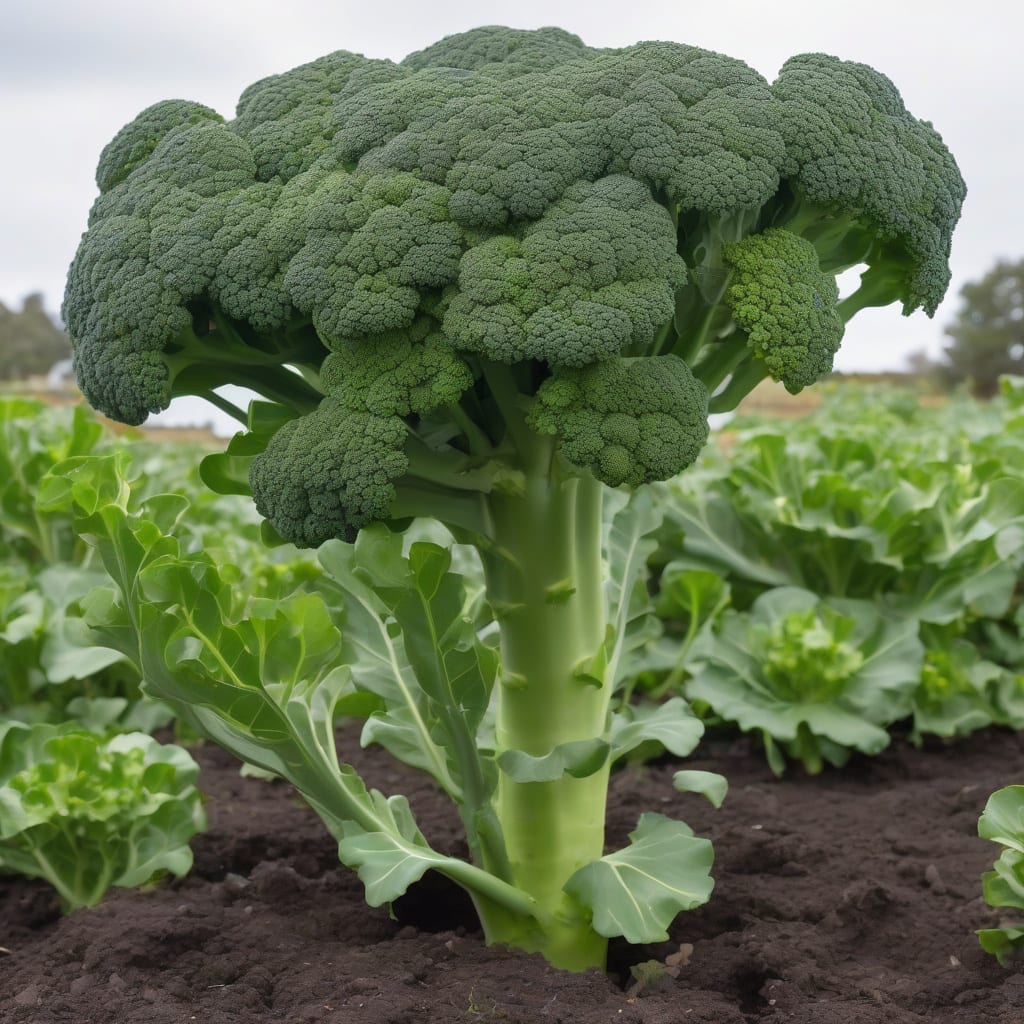
Growing Broccoli 🥦 can be a rewarding experience, but understanding its growth habits is key to a successful harvest. In USDA Zone 6, you can expect these plants to thrive during the spring or fall seasons.
Typically, Broccoli plants grow between 2-3 feet tall, but factors like soil quality, watering, and spacing can impact their mature size. Let’s explore what you need to know to maximize your Broccoli harvest.
Broccoli plants are known for their impressive height and robust growth. Typically, they can grow between 2-3 feet tall, making them a substantial presence in any garden. The height of broccoli plants is influenced by various factors, including the specific variety, growing conditions, and care practices.
Understanding the growth stages of broccoli is crucial for gardeners. The plant goes through several distinct phases, from seedling to maturity. Initially, broccoli plants focus on developing their root system and foliage. As they mature, they begin to form the characteristic tight buds that are harvested for consumption 🌿.
The height of broccoli plants can be affected by several factors. These include the specific variety of broccoli, the quality of the soil, and the growing conditions. Broccoli prefers well-drained soil rich in organic matter and full sun to grow optimally. Proper spacing is also essential to allow for adequate air circulation and sunlight penetration 🌻.
Different varieties of broccoli can have different growth habits. Some are bred for their compact size, while others can grow quite tall. Understanding the specific needs and characteristics of the variety you are growing can help you provide the best conditions for optimal growth.
Broccoli plants typically require 50-70 days to mature from planting. During this period, they need consistent moisture and balanced fertilization to support their growth. Regular watering and feeding can help ensure that your broccoli plants reach their full potential.
In addition to height, the overall health of the plant is crucial. Healthy broccoli plants are more likely to produce a bountiful harvest. Monitoring for pests and diseases, and taking action when necessary, is an important part of maintaining plant health.
The growing conditions, including temperature and sunlight, play a significant role in determining the height of broccoli plants. Broccoli thrives in cooler temperatures, typically between 60-70°F (15-21°C). Extreme temperatures can impact growth and development.
Proper care practices, such as regular watering and mulching, can also influence the height of broccoli plants. Mulching helps retain soil moisture and suppress weeds, creating a more favorable growing environment.
Broccoli plants can be grown in a variety of settings, from backyard gardens to containers. In containers, it’s essential to ensure they have enough space to grow and receive adequate sunlight and water.
Understanding the factors that influence broccoli plant height can help gardeners make informed decisions about their care. By providing optimal growing conditions and proper care, you can maximize the growth and yield of your broccoli plants 🌼.
In summary, broccoli plants can grow between 2-3 feet tall, with their height influenced by factors such as variety, soil quality, and growing conditions. By understanding the growth stages and providing appropriate care, gardeners can enjoy a successful harvest.
The height of broccoli plants can vary significantly based on several factors. Understanding these factors is essential for gardeners who want to optimize their broccoli growth 🌿.
One of the primary factors affecting broccoli height is the variety being grown. Different broccoli varieties have been bred for various characteristics, including size. Some compact varieties are designed for smaller spaces, while others can grow quite tall.
In addition to these factors, watering and fertilization practices play a significant role in determining broccoli plant height. Consistent moisture and balanced fertilization support healthy growth and development.
Broccoli plants require consistent moisture, especially during dry spells. Inconsistent watering can lead to stress, which may affect plant height and overall health.
Fertilization is another critical aspect. Broccoli benefits from balanced fertilizers applied at regular intervals. This supports the plant’s nutritional needs and promotes robust growth.
Pest and disease management is also vital. Regular monitoring and appropriate action can prevent issues that might stunt plant growth or reduce yield.
By understanding and managing these factors, gardeners can create optimal conditions for their broccoli plants to grow tall and healthy, ultimately leading to a more bountiful harvest 🌼.
In summary, the height of broccoli plants is influenced by a combination of variety, growing conditions, and care practices. By focusing on these aspects, gardeners can maximize their broccoli growth.
To maximize the growth of your broccoli plants, it’s essential to provide them with optimal growing conditions. This includes ensuring they receive adequate spacing, consistent watering, and balanced fertilization. Proper care practices can significantly impact the height and overall health of your broccoli plants 🌿.
For optimal growth, ensure your broccoli plants are spaced 18-24 inches apart. This allows for good air circulation and sunlight penetration, which are crucial for healthy development.
Spacing is a critical factor in broccoli cultivation. Overcrowding can lead to reduced air circulation, increased disease susceptibility, and decreased overall plant height. By giving your broccoli plants enough space, you can promote healthier growth and a more bountiful harvest 🌻.
Watering is another vital aspect of broccoli care. These plants require consistent moisture, especially during dry periods. Inconsistent watering can cause stress, affecting plant height and overall health. Aim to provide about 1-2 inches of water per week, either through rainfall or irrigation.
Fertilization plays a significant role in supporting the growth of broccoli plants. Using a balanced fertilizer at regular intervals can provide the necessary nutrients for robust growth. Broccoli benefits from fertilizers with a balanced NPK ratio, such as 10-10-10.
In addition to these practices, pest and disease management is crucial. Regular monitoring and appropriate action can prevent issues that might stunt plant growth or reduce yield. Keep an eye out for common broccoli pests like aphids and cabbage worms, and take action promptly if you notice any problems 🚫.
By following these expert tips, you can create optimal conditions for your broccoli plants to grow tall and healthy. This will ultimately lead to a more successful and bountiful harvest 🌼.
In summary, maximizing broccoli plant growth involves providing adequate spacing, consistent watering, and balanced fertilization, along with effective pest and disease management. By focusing on these key areas, gardeners can enjoy a healthy and productive broccoli crop.

