
Beautiful Plants For Your Interior
Beautiful Plants For Your Interior
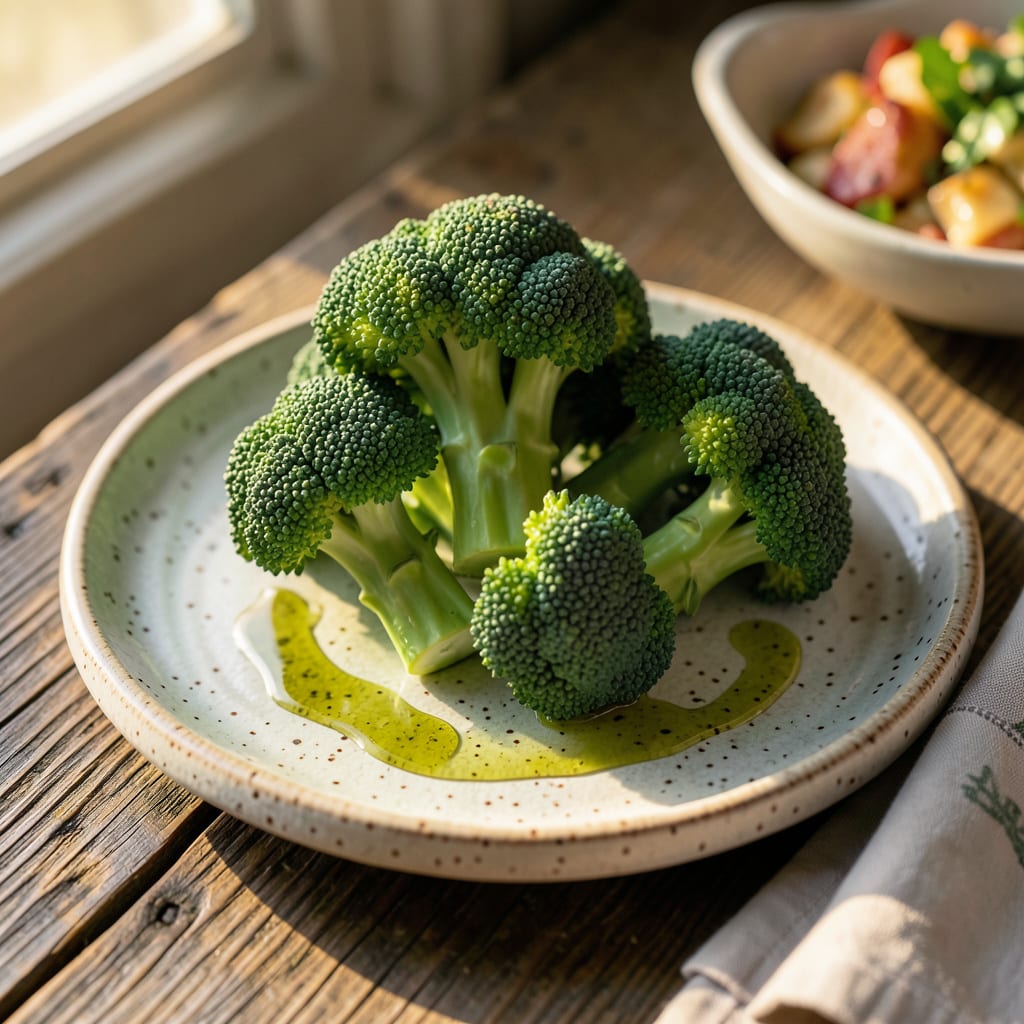
Growing 🥦 broccoli in Georgia can be a rewarding experience if you time it right. Planting at the wrong time can lead to disappointing results due to frost or heat damage.
In Georgia’s climate, particularly in zone 8a, the ideal times to plant broccoli are during the fall or spring seasons. By understanding these seasonal windows, you’ll be better equipped to achieve a successful harvest.
When growing broccoli in Georgia, understanding the state’s climate zones and optimal planting windows is crucial for a successful harvest. Georgia falls within USDA Hardiness Zone 8a, which means it has mild winters and hot summers. Broccoli is a cool-season crop that thrives in temperatures between 60°F and 70°F.
The ideal times to plant broccoli in Georgia are during the fall and spring seasons. For a fall harvest, broccoli should be planted in late summer to early fall, about 8 weeks before the first frost. For a spring harvest, it should be planted in late winter to early spring, about 4 weeks before the last frost. 🌱
For the fall season, planting broccoli in September is ideal, as it allows the plants to mature before the first frost. In the spring, planting in March is recommended, giving the plants enough time to grow before the summer heat sets in.
It’s also important to consider the specific microclimate of your area within Georgia. The coastal regions tend to have milder winters, while the mountainous regions can experience colder temperatures. Adjust your planting schedule accordingly.
Broccoli requires full sun and well-drained soil to grow. Ensure your soil is rich in organic matter and has a pH between 6.0 and 7.0. Proper soil preparation and timely planting are key to a bountiful broccoli harvest in Georgia. 🌾
For more specific advice tailored to your region within Georgia, consider consulting local gardening experts or your county’s cooperative extension service.
By understanding the best times to plant broccoli and adapting to your local conditions, you can enjoy a healthy and productive broccoli crop.
Broccoli is a nutrient-rich vegetable that is high in vitamins C and K, and is a good source of dietary fiber. It’s a versatile ingredient that can be used in a variety of dishes, from soups to salads.
With proper care and attention, your broccoli plants should thrive and provide you with a delicious and nutritious harvest.
When planting broccoli in Georgia, it’s essential to consider the regional variations in climate and soil conditions. Georgia’s diverse geography, ranging from coastal plains to mountainous regions, affects the optimal planting times and techniques for broccoli 🌿.
The state’s climate varies significantly across different regions, with the coastal areas generally being warmer and more humid than the mountainous regions. Understanding these regional differences is crucial for successful broccoli cultivation 🌟.
By understanding these regional considerations, you can tailor your broccoli planting schedule to your specific location in Georgia, ensuring a successful and bountiful harvest 🥦.
Regional climate variations can significantly impact broccoli cultivation. For example, the coastal region’s mild winters allow for longer growing seasons, while the mountain region’s cooler temperatures require adjustments to planting times 🌟.
To optimize your broccoli crop, consider factors such as soil quality, moisture levels, and temperature fluctuations in your region. This will help you make informed decisions about planting times and techniques 🌿.
By taking into account these regional considerations and adjusting your planting schedule accordingly, you can enjoy a healthy and productive broccoli crop in Georgia’s diverse climate zones 🌼.
To achieve a successful broccoli harvest in Georgia, it’s crucial to understand the specific needs of this cool-season crop. Broccoli thrives in temperatures between 60°F and 70°F, making timing critical for optimal growth.
Soil preparation is a key factor in growing healthy broccoli. The soil should be rich in organic matter and have a pH between 6.0 and 7.0. Adding compost or well-rotted manure can improve soil fertility and drainage, creating an ideal environment for broccoli to grow 🌿.
For optimal results, plant broccoli in full sun and ensure the soil remains consistently moist. Avoid overwatering, which can lead to root rot and other issues.
Protecting your broccoli from frost is essential, especially during the fall season. Using row covers or other frost protection methods can help safeguard your crop against unexpected cold snaps ❄️.
In Georgia’s climate, it’s also important to be mindful of heat management during the spring season. As temperatures rise, broccoli can bolt or become stressed. Providing some shade or using other heat mitigation techniques can help extend the harvest period 🌞.
By following these tips and understanding the specific needs of broccoli in Georgia’s climate, you can enjoy a bountiful and healthy harvest. Whether you’re a seasoned gardener or just starting out, with the right techniques and timing, you’ll be enjoying fresh, delicious broccoli from your own garden 🥦.
Broccoli thrives in temperatures between 60°F and 70°F. This temperature range is crucial for optimal growth and development. In Georgia’s climate, these temperatures are typically found during the fall and spring seasons.
To protect broccoli from frost, use row covers or other frost protection methods. These can help safeguard your crop against unexpected cold snaps, especially during the fall season. Row covers are lightweight, breathable fabrics that allow plants to receive sunlight and water while keeping frost away.
While Georgia’s coastal regions have mild winters that allow for year-round broccoli cultivation, other areas have more limited growing seasons. In general, broccoli is best planted in the fall or spring when temperatures are cooler. For specific regional advice, consult local gardening experts.
Broccoli requires consistent moisture, especially when producing buds. Water your broccoli plants weekly, providing about 1-2 inches of water per week. Adjust based on weather conditions to prevent overwatering, which can lead to root rot.
