
Beautiful Plants For Your Interior
Beautiful Plants For Your Interior
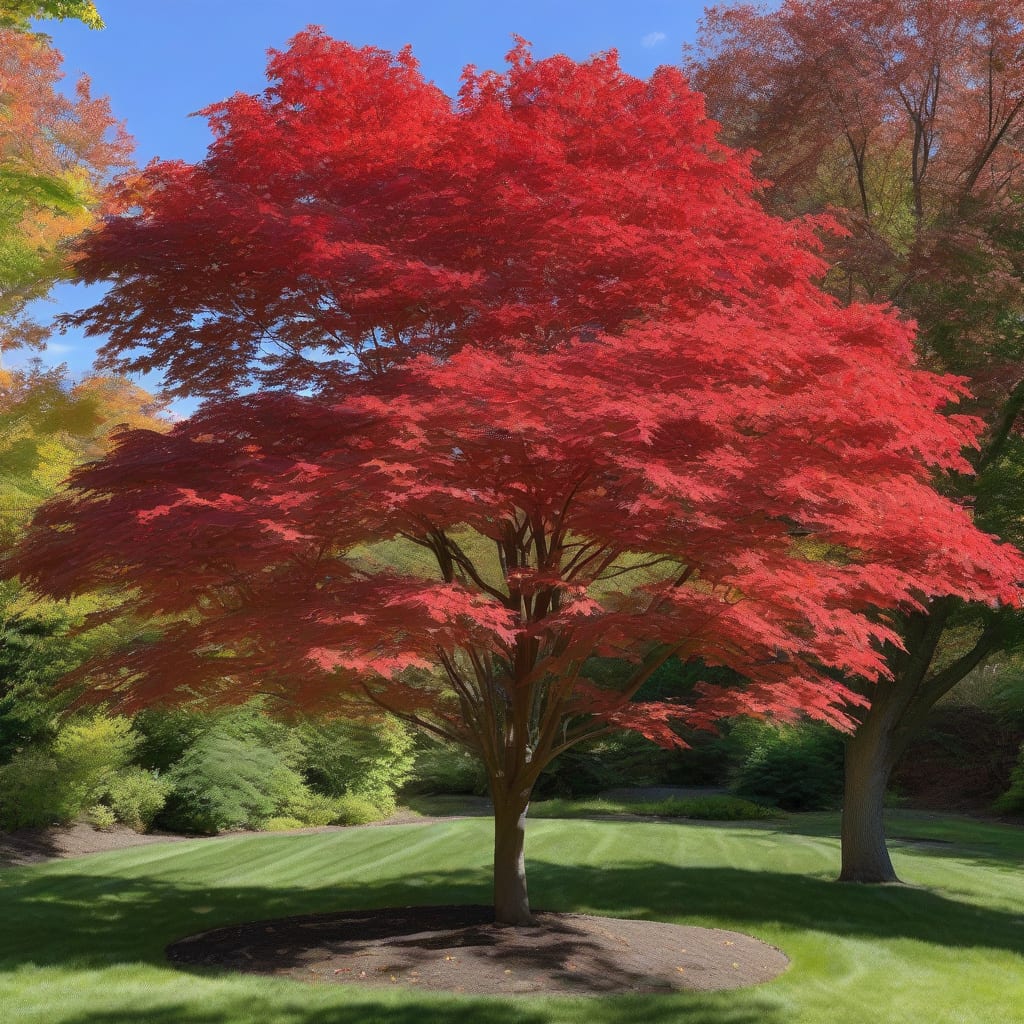
When planting a Red Maple 🌳, one of the first questions is: how tall will it grow? These beautiful trees can reach impressive heights, but their growth depends on several factors.
Understanding the growth potential of your Red Maple is crucial for landscaping and care. Let’s explore what influences their height and what you can expect as they mature in zones 4-9.

Red maples are known for their impressive growth potential, but several factors influence how tall they can grow. Understanding these factors is crucial for gardeners and landscapers to make informed decisions about planting and caring for these beautiful trees 🌳.
The height of a red maple is influenced by a combination of environmental and genetic factors. These include soil quality, climate conditions, available space, and genetic variation. Let’s explore how these factors impact the growth of red maples.
Soil quality plays a significant role inin shaping the the red maple’s height. The tree thrives in well-draining, учsoil rich in organic matter. Poor soil conditions can limit the tree’s growth potential, while fertile soil can support more vigorous development.
Climate conditions, including temperature and moisture levels, also impact the height of red maples. Trees growing in areas with moderate temperatures and adequate rainfall typically reach their full height potential. Extreme weather conditions, such as drought or excessive rain, can stress the tree and limit its growth 🌱.
The amount of available space is another critical factor affecting red maple height. Trees with plenty of room to grow can develop a full canopy and reach their maximum height, while those in confined spaces may be stunted or require more frequent pruning to maintain a manageable size.
Genetic variation among red maple cultivars can also influence their growth patterns and maximum heights. Some cultivars are bred for compact growth, while others are known for their tall, vigorous development. Understanding the specific characteristics of your red maple cultivar can help you anticipate its growth potential.
By considering these factors, gardeners and landscapers can better understand the growth potential of their red maples and provide the necessary conditions to support healthy, vigorous development.
Red maples are known for their fast growth rate, especially when young. They can grow 3-5 feet per year in ideal conditions. This rapid growth rate contributes to their ability to reach impressive heights in a relatively short period.
As red maples mature, their growth rate slows, but they continue to develop and expand their canopy. Proper care, including regular watering, fertilization, and pruning, can help maintain their health and support continued growth.
Understanding the factors that influence red maple height growth is essential for making informed decisions about planting and caring for these beautiful trees. By providing the right conditions and care, you can help your red maple reach its full potential and enjoy its beauty for years to come 🌳.
Red maples are known for their impressive height potential, with mature trees typically ranging from 40 to 100 feet tall. The average height of a red maple is between 50 to 70 feet, making them a significant presence in any landscape 🌳.
Under ideal conditions, with proper care and ample space, red maples can reach their maximum height potential. Factors such as soil quality, climate, and available space all play a role in determining how tall a red maple will grow.
Most red maples grow between 50-70 feet tall, making them suitable for large landscapes.
Some red maples can reach heights of up to 100 feet in ideal conditions.
Red maples are known for their fast growth rate, especially when young, growing 3-5 feet per year.
The height of red maples can vary significantly based on the specific cultivar. Some cultivars are bred for compact growth, while others are known for their tall, vigorous development. Understanding the specific characteristics of your red maple cultivar can help you anticipate its growth potential.
In ideal conditions, with proper care and maintenance, red maples can reach their maximum height potential. Regular watering, fertilization, and pruning can help support healthy growth and development 🌿.
Red maples are a popular choice for landscaping due to their stunning fall colors and impressive height. By understanding their growth potential and providing the right conditions, you can enjoy the beauty of these trees for years to come.
When planting red maples, it’s essential to consider their mature size to ensure they have enough space to grow. Proper planning can help prevent issues related to overcrowding and maintain the health of your trees 🌳.
Overall, red maples are a versatile and attractive addition to any landscape, offering both beauty and functionality. Their impressive height potential makes them a great choice for large spaces, providing shade and visual interest 🌲.
When incorporating red maples into your landscape design, understanding how to manage their height is crucial for long-term success. Proper maintenance techniques can help control their size while maintaining their natural beauty 🌳.
One of the most effective ways to manage red maple height is through regular pruning practices. Pruning helps maintain the tree’s shape, removes dead or diseased branches, and can control overall size. For red maples, it’s best to prune during their dormant season to minimize stress on the tree.
Prune your red maple during its dormant season (late winter or early spring) to minimize stress and promote healthy growth.
Another critical factor in managing red maple height is selecting the right planting location. Ensure you have enough space to accommodate the tree’s mature size. Consider factors like overhead power lines, nearby structures, and other landscape features when choosing a planting site.
Regular maintenance practices, including watering and fertilization, also play a role in managing red maple height. Proper care can help the tree grow healthily and reach its full potential without becoming too large for its surroundings 🌿.
By combining proper pruning techniques with careful planning and regular maintenance, you can effectively manage the height of your red maples and enjoy their beauty for years to come.
