
Beautiful Plants For Your Interior
Beautiful Plants For Your Interior
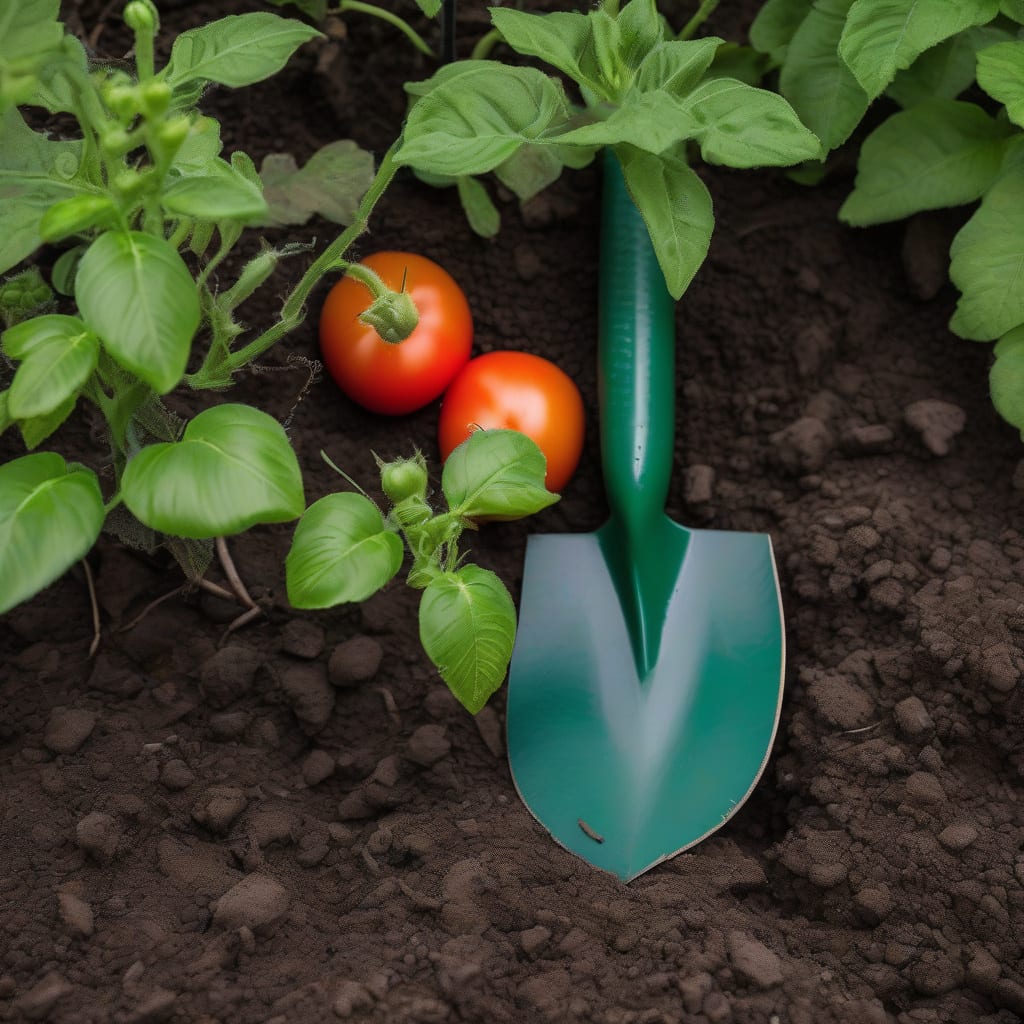
Gardening in Zone 9b offers a unique advantage: you can grow a variety of plants throughout the year 🌱. With mild winters and long growing seasons, timing is crucial to maximize your harvest.
Understanding when to plant is key to success in this climate. I’ll guide you through the best planting times for different crops, helping you make the most of Zone 9b’s 290 frost-free days.
Gardening in Zone 9b offers a unique advantage: you can grow a variety of plants throughout the year 🌱. Understanding when to plant is key to success in this climate. I’ll guide you through the best planting times for different crops, helping you make the most of Zone 9b’s 290 frost-free days.
Zone 9b’s climate is characterized by mild winters and long growing seasons, making it ideal for growing a wide range of plants. The last frost date is typically around February 15, while the first frost date is around December 1. This allows for multiple planting seasons throughout the year.
Understanding the when to plant in Zone 9b is essential for maximizing your garden’s potential. By planting the right crops at the right time, you can enjoy a bountiful harvest throughout the year 🌼.
Key considerations for gardening in Zone 9b include:
By focusing on these key planting times and understanding the unique characteristics of Zone 9b, you can create a thriving garden that produces a variety of delicious crops throughout the year. Whether you’re growing vegetables, fruits, or flowers, timing is everything in this Mediterranean climate 🌻.
The ideal planting months in Zone 9b are February, March, and April, with January and May being good alternatives. This allows you to take advantage of the mild winters and long growing seasons 🌞.
For warm-season crops, it’s essential to wait until after the last frost date to plant. This ensures that your crops have the best chance of success in Zone 9b’s climate.
By following these guidelines and understanding the unique characteristics of Zone 9b, you can enjoy a thriving garden that produces a variety of delicious crops throughout the year 🌼.
Gardening in Zone 9b requires careful planning and attention to the unique climate conditions. By understanding when to plant and how to care for your crops, you can enjoy a bountiful harvest and a beautiful garden 🌻.
Gardening in Zone 9b requires careful planning to maximize your harvest. Understanding when to plant specific crops is crucial for success in this climate 🌼.
Zone 9b’s mild winters and long growing seasons allow for multiple planting seasons. The last frost date is typically around February 15, while the first frost date is around December 1. This information is essential for determining when to plant specific crops.
Understanding the ideal planting times for specific crops in Zone 9b is essential for maximizing your harvest. By planting at the right time, you can ensure that your crops have the best chance of success.
Key factors to consider when planting specific crops include:
By focusing on these key planting times and understanding the unique characteristics of Zone 9b, you can create a thriving garden that produces a variety of delicious crops throughout the year 🌻.
The ideal planting months for specific crops in Zone 9b vary, but generally include February, March, and September to November. This allows you to take advantage of the mild winters and long growing seasons 🌞.
For warm-season crops like tomatoes and peppers, it’s essential to wait until after the last frost date to plant. This ensures that your crops have the best chance of success in Zone 9b’s climate.
By following these guidelines and understanding the unique characteristics of Zone 9b, you can enjoy a bountiful harvest and a beautiful garden 🌼.
Gardening in Zone 9b’s Mediterranean climate presents both opportunities and challenges. To maximize your harvest, it’s essential to understand the unique characteristics of this region 🌞.
Zone 9b’s climate is characterized by mild winters and long growing seasons, with 290 frost-free days. This allows for multiple planting seasons throughout the year. However, it also requires careful planning to manage temperature fluctuations and soil conditions.
Monitor soil moisture closely, as Zone 9b’s dry summers can quickly deplete soil water. Water deeply but infrequently to encourage deep root growth 🌱.
To succeed in Zone 9b, focus on soil management and water conservation. The region’s dry summers require careful watering strategies, while the mild winters allow for year-round gardening with proper planning 🌻.
Key strategies for gardening in Zone 9b include:
By following these gardening tips and understanding Zone 9b’s unique climate characteristics, you can create a thriving garden that produces a variety of delicious crops throughout the year 🌼.
The long growing season in Zone 9b allows for multiple harvests, making it an ideal location for gardeners who want to maximize their yield. With proper planning and care, you can enjoy a bountiful harvest and a beautiful garden 🌻.
Gardening in Zone 9b requires attention to detail and a willingness to adapt to the region’s unique climate conditions. By understanding when to plant and how to care for your crops, you can enjoy a successful gardening experience 🌱.
In Zone 9b, the best time to plant vegetables varies by season. For warm-season crops like tomatoes and peppers, plant after the last frost date (around February 15). For cool-season crops like leafy greens, plant in fall (September to November).
While Zone 9b has a long growing season, tomatoes are typically grown as a warm-season crop. Plant tomatoes in late winter to early spring (February to March) for a summer harvest. You can also try planting heat-tolerant varieties in late summer for a fall harvest.
During Zone 9b’s dry summers, water plants deeply but infrequently to encourage deep root growth. Check soil moisture regularly and adjust your watering schedule accordingly. Most plants need about 1 inch of water per week, either from rain or irrigation.
Zone 9b’s average last frost date is around February 15, while the average first frost date is around December 1. These dates are crucial for planning your planting schedule and protecting sensitive plants from frost damage.
