
Beautiful Plants For Your Interior
Beautiful Plants For Your Interior
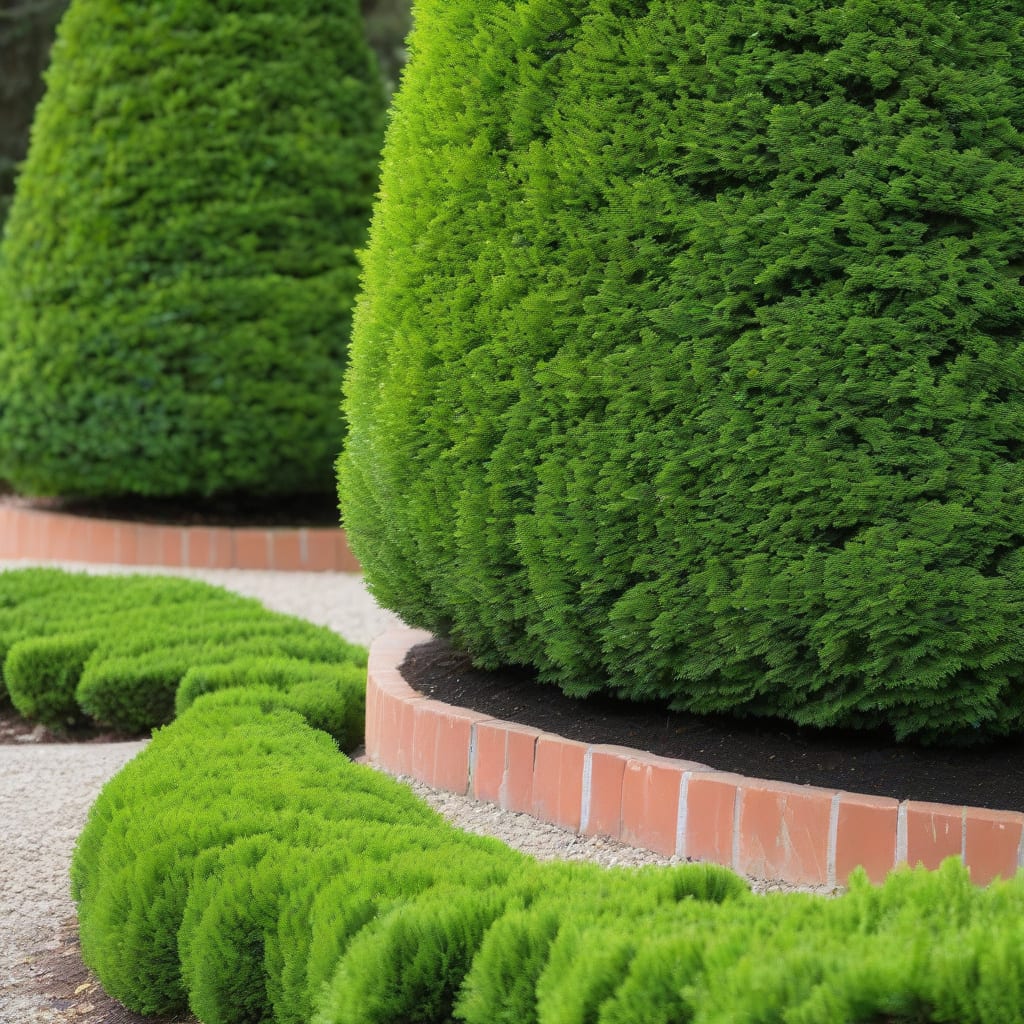
When planning your garden, understanding the growth patterns of Dwarf Arborvitae 🌳 is essential. These compact shrubs are popular for their versatility in landscaping, but their height can vary based on several factors.
Let’s explore what influences their growth and how tall you can expect them to get. Knowing this will help you make informed decisions about spacing and maintenance.

Dwarf arborvitae are known for their compact size, making them a popular choice for landscaping. Their growth patterns are influenced by several factors, including soil quality, climate, and maintenance practices. Understanding these factors is crucial for garden planning.
The typical height range for dwarf arborvitae is between 3 to 6 feet, although some varieties can grow up to 10 feet tall. Their growth rate is generally slow to moderate, with an average annual growth of 3 to 6 inches per year.
Several factors can influence the height of dwarf arborvitae, including soil quality, sunlight exposure, watering practices, and pruning techniques. Soil that is well-draining and rich in organic matter can promote healthy growth, while poor soil conditions may limit the plant’s potential height.
Sunlight exposure is another critical factor, as dwarf arborvitae prefer full sun to partial shade. Adequate sunlight helps maintain the plant’s dense foliage and promotes healthy growth. Watering practices should ensure consistent moisture, especially during the first year after planting.
Pruning is an essential maintenance practice that can help manage the size and shape of dwarf arborvitae. Regular pruning encourages dense growth and prevents the plant from becoming leggy or sparse. By understanding and managing these factors, you can optimize the growth of your dwarf arborvitae and achieve the desired height for your garden.
The maximum height of dwarf arborvitae can vary based on the specific cultivar and growing conditions. On average, these plants can reach heights of 6 to 10 feet when mature, making them an excellent choice for hedges, borders, or specimen plants.
To achieve optimal growth, it’s essential to provide dwarf arborvitae with the right growing conditions. This includes planting them in well-draining soil and ensuring they receive adequate sunlight and water. Regular maintenance, such as pruning, can also help manage their size and promote healthy growth.
By understanding the growth patterns and factors that influence the height of dwarf arborvitae, you can make informed decisions about their care and maintenance. This knowledge will help you create a beautiful and thriving garden that meets your needs and preferences.
Dwarf arborvitae are versatile plants that can be used in various landscaping applications. Their compact size and dense foliage make them an excellent choice for hedges, borders, and specimen plants. With proper care and maintenance, they can thrive in a variety of growing conditions.
In summary, dwarf arborvitae are compact shrubs that can grow between 3 to 10 feet tall, depending on the cultivar and growing conditions. By understanding their growth patterns and factors that influence their height, you can optimize their care and maintenance to achieve the desired size and shape for your garden 🌳.
The height of Dwarf Arborvitae is influenced by several factors, including soil quality, climate conditions, and maintenance practices. Understanding these factors is crucial for optimizing the growth and health of these plants 🌳.
Soil quality plays a significant role in determining the height of Dwarf Arborvitae. These plants prefer well-draining soil that is rich in organic matter. Soil that is too dense or poorly draining can limit root growth, which in turn affects the plant’s overall height.
To optimize growth, ensure your Dwarf Arborvitae is planted in well-draining soil with adequate organic matter. Regular maintenance, including proper watering and pruning, also plays a crucial role in achieving the desired height.
Climate conditions are another critical factor affecting the height of Dwarf Arborvitae. These plants thrive in temperate climates with moderate temperatures and adequate moisture. Extreme weather conditions, such as prolonged drought or excessive rainfall, can stress the plants and impact their growth.
Maintenance practices, particularly pruning, are essential for managing the size and shape of Dwarf Arborvitae. Regular pruning encourages dense growth and helps maintain the desired height. It’s also important to monitor for pests and diseases, as these can negatively impact plant health and growth.
By understanding and managing these factors, you can create an optimal growing environment for your Dwarf Arborvitae, ensuring they reach their full potential height and remain healthy and vibrant.
In addition to soil, climate, and maintenance, other factors such as sunlight exposure and watering practices also play a role in determining the height of Dwarf Arborvitae. Ensuring these plants receive adequate sunlight and water will help promote healthy growth.
Overall, the height of Dwarf Arborvitae is influenced by a combination of factors. By providing the right growing conditions and regular maintenance, you can help your plants thrive and achieve the desired height for your garden.
For more specific guidance on caring for your Dwarf Arborvitae, consider consulting with a gardening expert or referring to detailed care guides. This will help you make informed decisions and ensure the best possible outcome for your plants 🌿.
Maintaining the desired height of Dwarf Arborvitae requires regular pruning and proper care. Pruning is essential to control the size and shape of these plants, ensuring they remain healthy and visually appealing.
To effectively manage the size of your Dwarf Arborvitae, it’s crucial to understand the best pruning practices. Pruning should be done during the early spring or late winter before new growth begins. This timing helps minimize stress on the plant and encourages healthy regrowth.
Evaluate the overall shape and size of your Dwarf Arborvitae. Identify any branches that are out of place or overgrown 🌳.
Remove any dead, diseased, or damaged branches to maintain plant health and appearance.
Trim back overgrown branches to maintain the desired shape and size. Make clean cuts just above a bud or lateral branch.
In addition to pruning, regular maintenance practices such as watering, fertilizing, and mulching are vital for the health and growth of Dwarf Arborvitae. Ensuring the soil remains consistently moist, especially during dry periods, will support healthy growth.
Fertilizing your Dwarf Arborvitae with a balanced fertilizer in the spring can provide essential nutrients for growth. Mulching around the base of the plant helps retain moisture, suppress weeds, and regulate soil temperature.
By following these pruning and maintenance tips, you can effectively manage the size of your Dwarf Arborvitae and keep them looking their best. Regular care will ensure these plants remain a beautiful and integral part of your garden landscape 🌿.
For more detailed guidance on caring for your Dwarf Arborvitae, consider consulting with a gardening expert or referring to comprehensive care guides. This will help you make informed decisions and ensure the best possible outcome for your plants.
In summary, managing the size of Dwarf Arborvitae involves regular pruning and proper maintenance practices. By understanding and implementing these techniques, you can achieve the desired height and maintain the health and beauty of your plants 🌳.
