
Beautiful Plants For Your Interior
Beautiful Plants For Your Interior
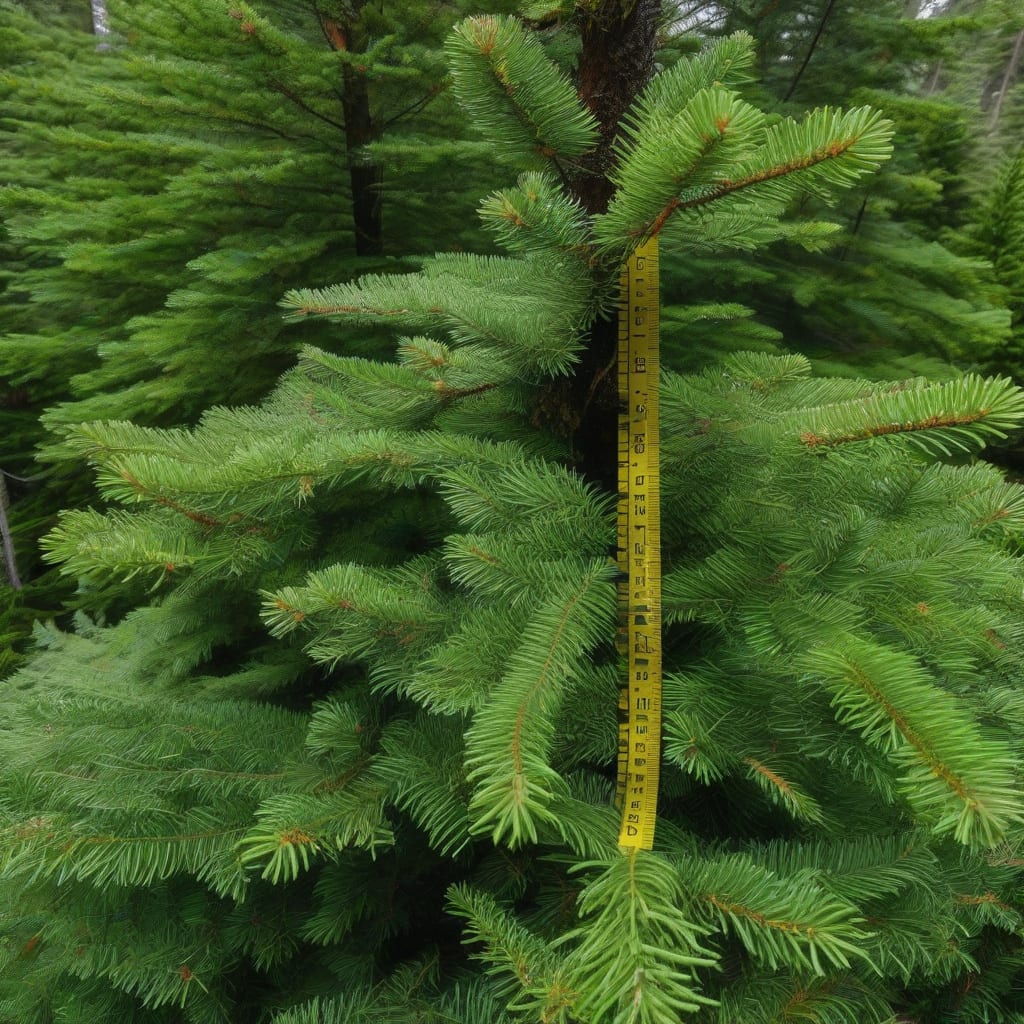
When planting a Balsam Fir 🌲, understanding its growth potential is crucial for proper planning. These trees can grow significantly, and knowing their average height helps you choose the right location.
Balsam Fir trees typically grow between 40 to 80 feet tall, thriving in USDA zones 3-6. Their growth is influenced by factors like soil quality and climate, making proper care essential for optimal development.

Balsam Fir trees are known for their impressive height, typically growing between 40 to 80 feet tall. This height range makes them a significant presence in any landscape 🌲.
The maximum height potential of Balsam Fir trees is influenced by various factors, including ideal growing conditions and environmental factors. Understanding these factors is crucial for gardeners and landscapers 🌱.
The height of Balsam Fir trees is significantly influenced by factors such as soil quality, climate conditions, and available space. Trees growing in optimal conditions with well-draining soil and adequate moisture tend to reach their maximum height potential 🌿.
In ideal environments, Balsam Fir trees can grow 1-2 feet per year, contributing to their overall height. However, factors like poor soil quality or harsh climate conditions can limit their growth 📉.
Understanding the growth patterns of Balsam Fir trees helps in planning and maintaining landscapes. These trees not only add aesthetic value but also provide ecological benefits 🌳.
Balsam Fir trees can live for over 100 years in some cases, making them a long-term investment for any landscape. Their height is just one aspect of their overall growth and development 📆.
For those considering planting Balsam Fir trees, understanding their maximum height potential is essential for making informed decisions about spacing and landscape design 🏠.
By recognizing the factors that influence the height of Balsam Fir trees, gardeners can better manage their landscapes to accommodate these majestic trees 🌲.
The height potential of Balsam Fir trees makes them a popular choice for large landscapes and forestry projects. Their ability to grow tall and thrive in various conditions adds to their appeal 🌟.
In conclusion, Balsam Fir trees have a significant height potential, reaching between 40 to 80 feet on average. Proper care and ideal growing conditions are key to maximizing their height and overall health 🌿.
The height of Balsam Fir trees is influenced by multiple factors that affect their growth. Understanding these elements is key to optimizing their development 🌿.
Environmental factors play a crucial role in determining the height of Balsam Fir trees. These include soil quality, climate conditions, and available space. Trees growing in optimal conditions tend to reach their maximum height potential 🌲.
Genetic factors also influence the height of Balsam Fir trees. Some trees are naturally predisposed to grow taller due to their genetic makeup 🌟.
In addition to environmental and genetic factors, maintenance practices such as pruning and fertilization can impact the height of Balsam Fir trees. Proper care can enhance their growth potential 🌿.
By understanding and managing these factors, gardeners and landscapers can optimize the growth of Balsam Fir trees, ensuring they reach their full height potential 🌲.
Soil quality is particularly important as it directly affects the tree’s ability to absorb nutrients and water. Well-draining soil rich in organic matter is ideal for promoting healthy growth 🌱.
Climate conditions, including temperature and precipitation patterns, also play a significant role. Balsam Fir trees thrive in cool, moist climates with consistent rainfall ☁️.
Adequate spacing is essential to prevent overcrowding, which can lead to competition for resources such as light, water, and nutrients. Proper spacing ensures that each tree has the necessary resources to grow to its full potential 📈.
Overall, the height of Balsam Fir trees is a result of a combination of environmental, genetic, and maintenance factors. By understanding and managing these elements, it’s possible to optimize their growth and achieve the desired height 🌟.
When incorporating Balsam Fir trees into your landscape design, managing their height is crucial for maintaining a balanced and aesthetically pleasing environment 🌲.
Effective management of Balsam Fir tree height involves several strategies, including pruning techniques and growth management strategies. These methods help ensure that the trees remain healthy and visually appealing while fitting within the available space 🌿.
Prune Balsam Fir trees regularly to maintain their shape and promote healthy growth. Focus on removing dead or damaged branches to enhance overall tree health 🌿.
Pruning is a key technique for managing the height of Balsam Fir trees. By selectively removing branches, you can control the tree’s size and shape, ensuring it fits well within your landscape design ✂️.
Growth management strategies also play a vital role in maintaining the height of Balsam Fir trees. This includes monitoring the tree’s growth rate and adjusting care practices accordingly to prevent excessive growth 📈.
Understanding the mature size of Balsam Fir trees is essential for effective landscape planning. These trees can grow between 40 to 80 feet tall, so it’s crucial to provide adequate space for their mature height 🏠.
By implementing these strategies, you can effectively manage the height of your Balsam Fir trees, ensuring they remain a beautiful and functional part of your landscape for years to come 🌲.
