
Beautiful Plants For Your Interior
Beautiful Plants For Your Interior
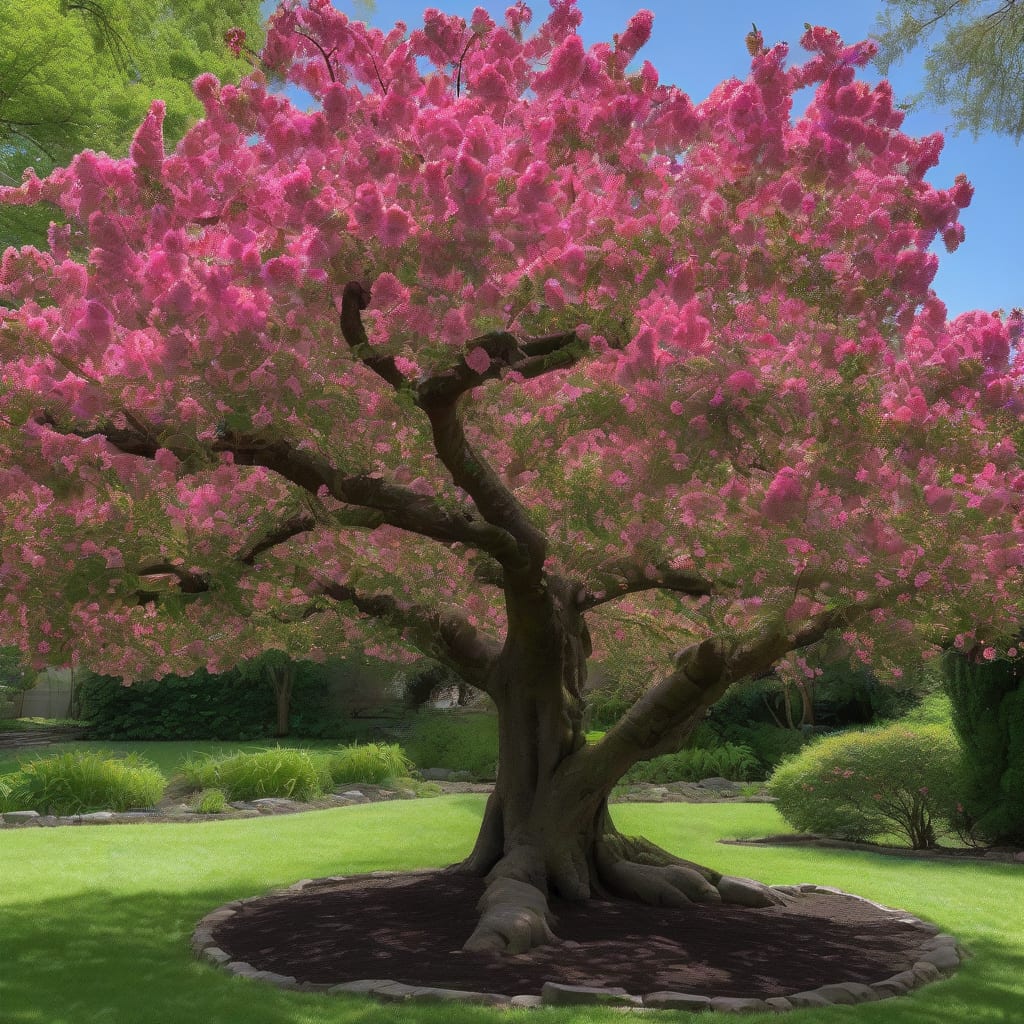
When planting a Cherry Tree 🌳 in your garden, understanding its growth potential is crucial. The height of these trees can vary significantly based on factors like variety and growing conditions.
In USDA Zone 6, Cherry Trees can grow to be between 15 to 30 feet tall. Proper pruning and training techniques can help manage their size while promoting healthy growth and fruit production.


Cherry trees are a popular choice for home gardens, but their height can vary significantly based on several factors. Understanding these factors is crucial for proper planning and maintenance 🌳.
The height of cherry trees is influenced by their variety, soil conditions, and cultivation practices. Different cherry tree varieties have distinct growth patterns and maximum heights, ranging from dwarf varieties that grow up to 8-12 feet to standard varieties that can reach 20-30 feet or more.
The variety of cherry tree is a significant factor in determining its height. Dwarf cherry trees are bred to be compact and typically grow between 8 to 12 feet tall, making them ideal for smaller gardens or containers. In contrast, standard cherry trees can grow much taller, often reaching heights of 20 to 30 feet or more if not pruned.
Soil conditions also play a crucial role in the height of cherry trees. Well-draining soil that is rich in organic matter and has a balanced pH can support healthy growth. Soil that is too dense or poorly draining can limit root development and, consequently, the overall height of the tree.
Climate and growing conditions, including sunlight and water availability, also impact the height of cherry trees. Cherry trees generally thrive in full sun and require adequate moisture, especially during their early years. Regions with mild winters and cool springs are often ideal for cherry tree cultivation.
Pruning practices are another critical factor in managing the height of cherry trees. Regular pruning not only helps control the tree’s size but also promotes better fruit production and overall tree health. Techniques such as thinning out crowded branches and reducing the height of the tree can be employed to maintain a desired height 🌿.
In addition to these factors, the rootstock of the cherry tree can influence its ultimate height. Some rootstocks are more vigorous and can lead to larger trees, while others are more dwarfing. Understanding the characteristics of the rootstock is essential for predicting and managing the tree’s growth.
Cherry trees also benefit from proper fertilization and regular watering. A balanced fertilizer applied at the right time can support healthy growth, while consistent moisture levels help the tree establish a strong root system.
Overall, the height of cherry trees is a complex trait influenced by a combination of genetic, environmental, and cultural factors. By understanding and managing these factors, gardeners can cultivate healthy and productive cherry trees that meet their specific needs and preferences.
For those looking to optimize their cherry tree’s height for fruit production, it’s essential to consider the interplay between these various factors and how they impact the tree’s overall growth and productivity.
By carefully selecting the right variety, providing optimal growing conditions, and employing effective pruning and management strategies, gardeners can enjoy a bountiful harvest from their cherry trees for years to come.
Cherry trees come in various types, each with its unique growth characteristics and maximum height potential. Understanding these differences is essential for gardeners to make informed decisions when selecting and cultivating cherry trees 🌳.
The height of cherry trees can vary significantly based on their variety. Sweet cherry trees, for instance, tend to grow taller than sour cherry trees. While sweet cherries can reach heights of 20 to 25 feet, sour cherries typically top out at around 15 to 20 feet. Dwarf cherry trees, on the other hand, are bred to remain compact, usually growing between 8 to 12 feet tall.
The growth patterns of cherry trees also vary. Sweet cherry trees tend to have a more vigorous growth habit, often developing a central leader and a conical shape. Sour cherry trees, by contrast, tend to be more bushy and may require more frequent pruning to maintain their shape.
Dwarf cherry trees are particularly popular for home gardens due to their compact size and early fruiting. They are ideal for small spaces and can be easily managed with regular pruning to maintain their height and promote fruiting.
Understanding the average and maximum heights of different cherry tree types is crucial for proper garden planning. By selecting the right variety for your space and employing appropriate pruning techniques, you can enjoy healthy and productive cherry trees that meet your needs 🌼.
For gardeners looking to maximize their cherry tree’s height while maintaining its health, it’s essential to consider factors such as soil quality, sunlight exposure, and watering practices. Proper care can significantly impact a cherry tree’s growth and productivity.
By providing the right conditions and care, gardeners can help their cherry trees reach their full potential, whether that’s a towering sweet cherry or a compact dwarf variety 🌟.
To manage cherry tree height effectively for optimal fruit production, it’s essential to understand the importance of pruning techniques and growth management strategies. Proper pruning not only controls the tree’s size but also promotes better fruiting and overall tree health 🌳.
Prune your cherry tree annually to maintain its shape and promote fruiting. Remove dead, diseased, or damaged branches to keep the tree healthy.
One of the most effective pruning techniques for managing cherry tree height is thinning out crowded branches. This allows for better air circulation and sunlight penetration, which can improve fruit quality and reduce the risk of disease.
Reducing the height of the tree is another strategy used to control its size. This involves cutting back the central leader to a lateral branch, which helps to maintain a manageable height while still allowing the tree to produce fruit.
It’s also important to consider the rootstock of the cherry tree when managing its height. Some rootstocks are more vigorous and can lead to larger trees, while others are more dwarfing. Understanding the characteristics of the rootstock can help you predict and manage the tree’s growth more effectively.
By combining these pruning techniques with proper fertilization and watering practices, you can maintain a healthy and productive cherry tree that meets your needs. Regular maintenance is key to ensuring your tree remains vigorous and fruitful 🌼.
