
Beautiful Plants For Your Interior
Beautiful Plants For Your Interior
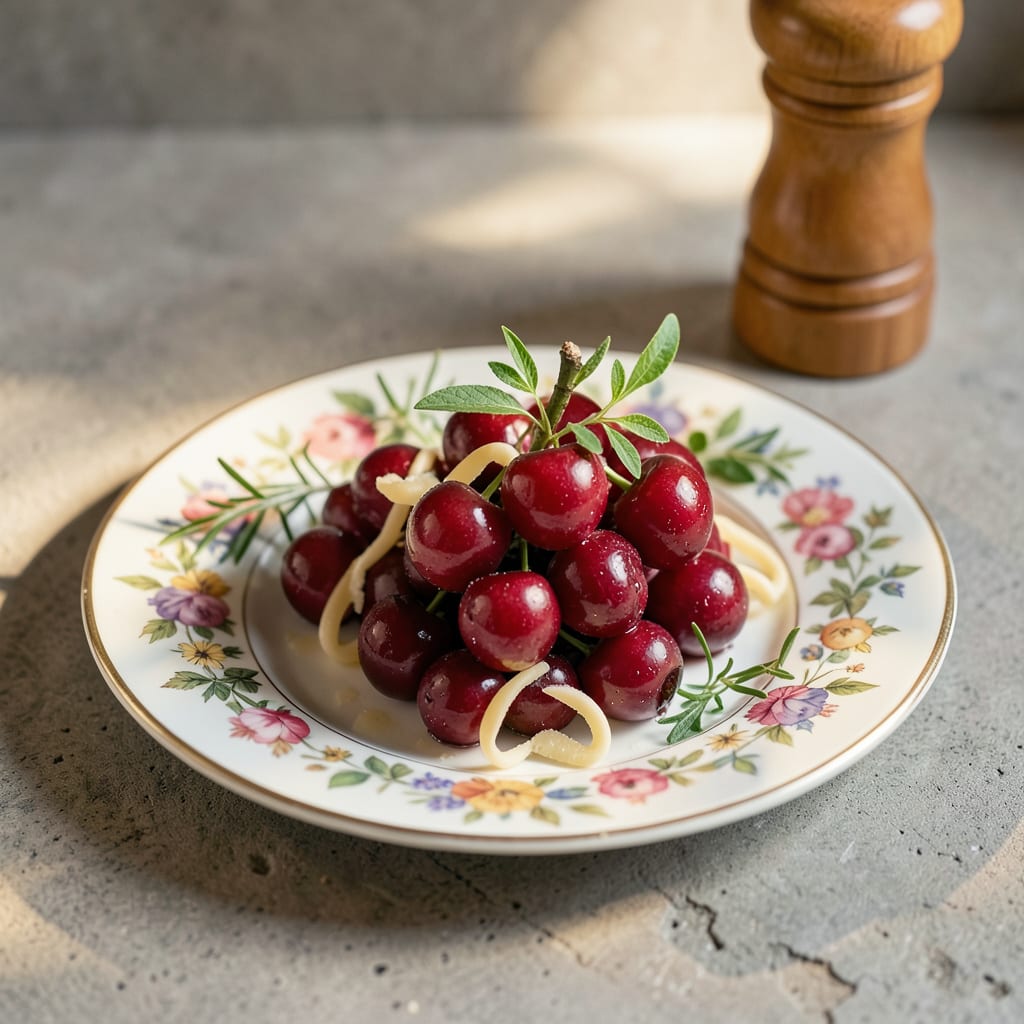
Fertilizing your Cherry Tree 🌳 at the right time is crucial for its health and fruit production. I’ve learned that timing is everything when it comes to giving your tree the nutrients it needs to thrive.
In early spring, your Cherry Tree is ready to start growing again, making it the perfect time to fertilize. By understanding the best fertilization schedule, you’ll be able to support your tree’s growth and enjoy a bountiful harvest.

Fertilizing cherry trees at the right time is crucial for their health and fruit production. I’ve found that understanding the ideal fertilization schedule can make a significant difference in the tree’s overall growth and productivity. The best time to fertilize cherry trees depends on several factors, including the tree’s age, soil type, and climate conditions 🌳.
In general, early spring is considered the best time to fertilize cherry trees. This is because the tree is coming out of dormancy and is ready to start growing again. Fertilizing at this time helps support the tree’s growth and fruit production. I recommend fertilizing your cherry tree in late February or early March, depending on your location and climate.
The type of fertilizer you use is also important. A balanced fertilizer with a ratio of 10-10-10 (nitrogen-phosphorus-potassium) is generally recommended for cherry trees. However, the specific fertilizer needs may vary depending on the soil test results and the tree’s nutrient deficiencies.
In addition to the timing and type of fertilizer, it’s essential to consider the application method. Fertilizer should be applied evenly around the tree’s drip line, avoiding the trunk area. It’s also crucial to water the fertilizer in well to prevent burning the roots.
For young cherry trees (1-2 years old), I recommend more frequent fertilization, учтideally every 4-6 weeks during the growing season. For mature trees, fertilizing once a year in early spring is usually sufficient.
It’s also worth noting that over-fertilization can be detrimental to cherry trees. Too much fertilizer can cause excessive vegetative growth, reduce fruit production, and increase the risk of disease and pest problems.
By understanding the best time to fertilize your cherry tree and following the recommended fertilization practices, you can help ensure optimal growth and fruit production 🌼.
For more specific guidance tailored to your climate and soil conditions, consider consulting with a local nursery or gardening expert. They can provide valuable insights and recommendations to help you care for your cherry tree effectively.
Remember, proper fertilization is just one aspect of caring for your cherry tree. Regular watering, pruning, and pest management are also crucial for maintaining the tree’s overall health and productivity.
Fertilizing cherry trees effectively requires careful consideration of several factors, including the type of fertilizer, application method, and timing. I’ve found that using the right techniques can make a significant difference in the tree’s overall health and productivity 🌳.
When it comes to choosing a fertilizer, a balanced fertilizer with a ratio of 10-10-10 (nitrogen-phosphorus-potassium) is generally recommended for cherry trees. This type of fertilizer provides the necessary nutrients for healthy growth and fruit production.
Apply fertilizer evenly around the tree’s drip line, avoiding the trunk area, and water it in well to prevent burning the roots.
The application method is also crucial. Fertilizer should be spread evenly around the tree, taking care not to over-concentrate it in any one area. This helps ensure that the tree receives the necessary nutrients without causing damage to the roots.
In addition to the type and application of fertilizer, soil testing is essential to determine the specific nutrient needs of your cherry tree. By understanding your soil’s pH and nutrient levels, you can adjust your fertilization strategy accordingly.
For young cherry trees (1-2 years old), more frequent fertilization is recommended, ideally every 4-6 weeks during the growing season. For mature trees, fertilizing once a year in early spring is usually sufficient.
It’s also important to be aware of the risks of over-fertilization. Too much fertilizer can cause excessive vegetative growth, reduce fruit production, and increase the risk of disease and pest problems.
By following these guidelines and using the right fertilization techniques, you can help ensure the health and productivity of your cherry tree 🌼.
Understanding when your cherry tree needs fertilization is crucial for its health and productivity. I’ve learned that recognizing the signs of nutrient deficiencies can help you take action before problems arise 🌳.
Some common signs that your cherry tree needs fertilization include slow growth, yellow or pale leaves, and reduced fruit production. If you notice any of these symptoms, it’s essential to take a closer look at your tree’s nutrient needs.
By recognizing these signs and taking action to fertilize your cherry tree, you can help ensure its continued health and productivity. Regular soil testing can also help identify nutrient deficiencies and guide your fertilization strategy 🌼.
For more specific guidance on fertilizing your cherry tree, consider consulting with a local nursery or gardening expert. They can provide valuable insights and recommendations tailored to your climate and soil conditions.
For young cherry trees (1-2 years old), fertilize every 4-6 weeks during the growing season. For mature trees, fertilizing once a year in early spring is usually sufficient. This schedule supports healthy growth and fruit production.
A balanced fertilizer with a ratio of 10-10-10 (nitrogen-phosphorus-potassium) is generally recommended. This type provides necessary nutrients for healthy growth and fruit production. Soil test results may indicate specific nutrient deficiencies that require adjustment.
No, it’s best to avoid fertilizing cherry trees in the fall. Fertilizing in early spring supports new growth, while summer fertilization maintains growth after harvest. Fall fertilization can promote new growth that may not harden off before winter.
Apply fertilizer evenly around the tree’s drip line, avoiding the trunk area. Water it in well to prevent burning the roots. This method ensures the tree receives necessary nutrients without damage.
