
Beautiful Plants For Your Interior
Beautiful Plants For Your Interior
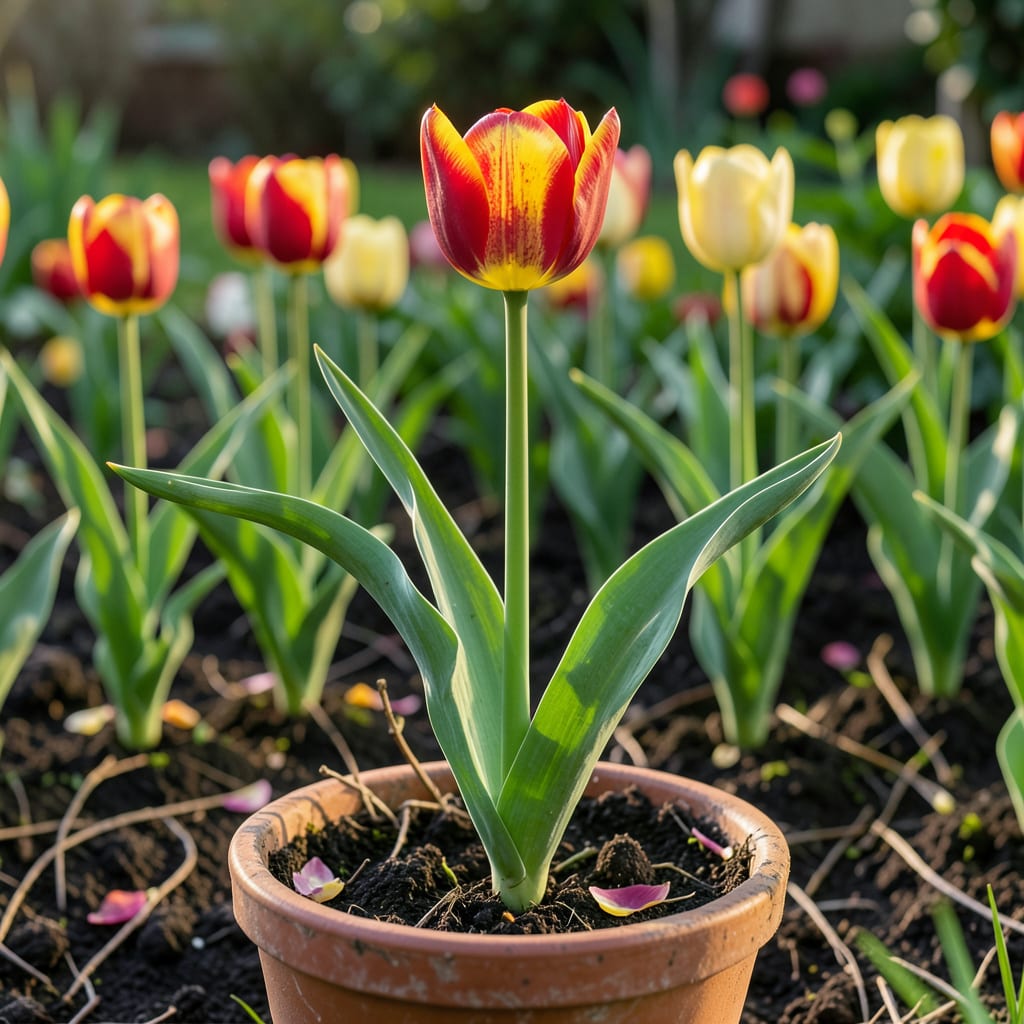
Tulips 🌷 are a gardener’s delight, but have you ever wondered just how tall they can grow? The height of these beautiful flowers can vary significantly based on factors like soil quality and sunlight exposure.
In USDA Zone 6, tulips can reach impressive heights, with some varieties growing up to 2 feet tall. Let’s explore what influences their growth and how you can encourage your tulips to reach their full potential.


Tulip height can vary significantly based on several key factors. Understanding these elements helps gardeners optimize growing conditions for their tulips. The main factors influencing tulip height include soil quality, sunlight exposure, and the specific variety of tulip 🌷.
The quality of the soil plays a crucial role in determining tulip height. Tulips thrive in well-draining soil that is rich in organic matter. Soil that is too dense or poorly draining can lead to shorter tulip stalks. Ensuring the soil has the right balance of nutrients is essential for optimal growth.
Sunlight exposure is another critical factor affecting tulip height. Tulips generally require full sun to partial shade. In areas with too much shade, tulips may become leggy as they stretch towards the light, while too much direct sunlight can sometimes stress the plants 🌻.
The variety of tulip is perhaps the most significant determinant of its height. Different tulip varieties have been bred for various characteristics, including height. Some tulips are naturally shorter, while others can grow quite tall. Understanding the specific variety can help gardeners anticipate and plan for the height of their tulips.
By considering these factors, gardeners can create optimal growing conditions for their tulips. Proper soil preparation, appropriate sunlight, and selecting the right variety all contribute to achieving the desired height 🌷.
For example, dwarf tulips typically grow between 0.5 to 1 foot tall, making them ideal for containers or border edges. In contrast, standard tulips can reach heights of 1.5 to 2 feet, providing a dramatic display in garden beds.
It’s also worth noting that tulips grown in USDA Zone 6 can be expected to perform well, as this zone provides the appropriate climate conditions for many tulip varieties. Gardeners in this zone should be able to achieve healthy growth and optimal height with proper care.
Overall, the height of tulips is influenced by a combination of growing conditions and the inherent characteristics of the variety. By optimizing these factors, gardeners can enjoy tulips that reach their full height potential 🌷.
In summary, tulip height is determined by a mix of soil quality, sunlight exposure, and variety. By understanding and managing these factors, gardeners can grow tulips that are both healthy and visually appealing.
For those looking to maximize their tulip height, focusing on soil quality and selecting the appropriate tulip variety are key strategies. Ensuring that tulips receive the right amount of sunlight is also crucial for achieving optimal growth.
By following these guidelines, gardeners can enjoy a vibrant display of tulips at their full height potential, enhancing the beauty of their gardens 🌷.
Tulips come in various types, each with its own height characteristics. Understanding these differences helps gardeners choose the right varieties for their garden designs. The height of tulips can significantly impact the overall aesthetic of a garden 🌷.
Different tulip varieties have distinct height ranges. These range from dwarf tulips that are more compact to giant tulips that can grow quite tall. Knowing what to expect from each type allows gardeners to plan their garden layouts effectively.
The height of tulips is a critical factor in garden design. By understanding the different height ranges of various tulip types, gardeners can create visually appealing and balanced garden layouts 🌻.
Dwarf tulips are perfect for containers or border edges, as they are compact and add a touch of color without overwhelming other plants. They typically grow between 0.5 to 1 foot tall.
Standard tulips are the most common type and can reach heights of 1.5 to 2 feet. They are ideal for garden beds and mass planting, providing a vibrant display of color in the spring.
Giant tulips are the tallest variety, growing up to 2-3 feet tall. They are perfect for creating dramatic garden displays and can be used as focal points in garden designs 🌷.
When selecting tulip varieties, gardeners should consider the mature height of the plants to ensure they are placed appropriately in the garden. This helps maintain a balanced and visually appealing garden landscape.
In conclusion, understanding the maximum heights of different tulip varieties allows gardeners to make informed decisions when planning their gardens. By choosing the right tulip type for their garden design, gardeners can achieve the desired aesthetic and enjoy a beautiful display of tulips 🌷.
Growing tall, healthy tulips requires careful planning and attention to detail. By following best practices, gardeners can maximize their tulip height and overall plant health 🌷.
Plant tulip bulbs 6-8 inches deep to ensure proper root development and stability. This depth helps tulips grow taller and stronger 🌻.
Tulips need full sun to partial shade to grow tall and healthy. Ensure they receive at least 6 hours of direct sunlight daily for optimal growth 🌞.
Use well-draining soil rich in organic matter to support healthy tulip growth. Avoid dense or poorly draining soil that can lead to shorter stalks 🌿.
By implementing these best practices, gardeners can significantly improve the health and height of their tulips. Proper planting depth, adequate sunlight, and maintaining optimal soil conditions are key to achieving tall, vibrant tulips 🌷.
Additionally, gardeners should consider the specific needs of their tulip variety. Some tulips are naturally taller than others, so understanding the variety’s characteristics can help in planning and care 🌻.
Regular maintenance, such as deadheading and allowing foliage to die back naturally, also contributes to the overall health and future growth of tulips 🌼.
Tulips generally grow between 0.5 to 3 feet tall, depending on the variety. Dwarf tulips are the shortest, while giant tulips can reach the maximum height. Most standard tulips fall in the 1.5 to 2 feet range. Proper growing conditions can help them reach their full potential height .
Soil quality plays a crucial role in determining tulip height. Tulips thrive in well-draining soil rich in organic matter. Poor soil conditions can lead to shorter stalks, while optimal soil helps tulips grow taller and healthier. Ensuring proper soil preparation is key to maximizing tulip height .
Yes, tulips can become too tall if they don’t receive proper support or are grown in conditions that promote excessive stem growth, such as too much shade. This can cause them to become leggy and flop over. Providing full sun to partial shade and proper care can help maintain their height and overall health .
To maximize tulip height, plant bulbs at the correct depth (6-8 inches deep), provide adequate sunlight (6+ hours daily), and maintain well-draining soil rich in organic matter. Proper care and understanding the specific needs of your tulip variety also contribute to achieving optimal height .
