
Beautiful Plants For Your Interior
Beautiful Plants For Your Interior
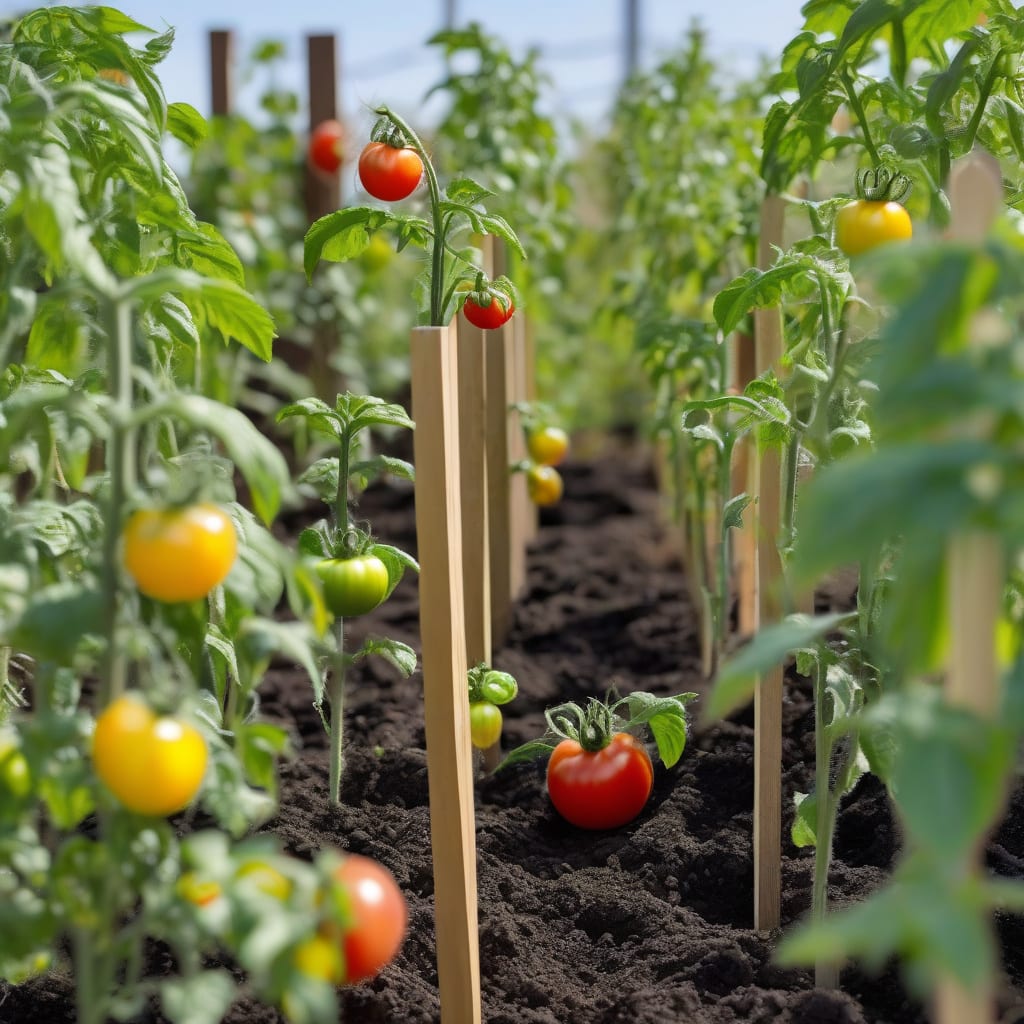
I still remember the first time I grew indeterminate tomatoes 🍅 – their vigorous growth was both exciting and intimidating. These plants can quickly outgrow their space if not properly managed, reaching heights that require serious support.
Understanding how tall they can grow is crucial for maximizing yield and keeping your plants healthy. Let’s explore the growth potential of these productive tomato plants and how to make the most of their vertical growth.


Indeterminate tomatoes are known for their vigorous growth and continuous production throughout the growing season. Unlike determinate varieties, these plants don’t have a predetermined height and will keep growing as long as conditions are favorable.
The term “indeterminate” refers to the plant’s ability to grow indefinitely, producing new stems and fruiting branches throughout the season. This growth pattern requires specific care and support to maximize yield and maintain plant health 🌿.
The growth of indeterminate tomatoes is influenced by several key factors including soil quality, sunlight exposure, and watering practices. These plants thrive in well-draining, nutrient-rich soil and require at least 6 hours of direct sunlight daily.
Proper water management is crucial as these plants need consistent moisture, especially when fruiting. The ideal watering schedule typically involves deep soaking every 3-5 days, depending on weather conditions 🌟.
Understanding these growth patterns helps gardeners provide the necessary care for their indeterminate tomato plants. By recognizing the factors that influence their growth, gardeners can better manage their plants’ height and productivity.
To achieve maximum height, indeterminate tomatoes require careful planning and maintenance. This includes providing adequate support structures and ensuring optimal growing conditions.
The potential height of these plants can vary significantly based on factors like variety, growing conditions, and the level of care provided. Some plants can grow quite tall, reaching heights that necessitate robust support systems 🔝.
Overall, the growth patterns of indeterminate tomatoes present both opportunities and challenges for gardeners. With the right knowledge and techniques, gardeners can optimize their tomato yields and enjoy a bountiful harvest.
By focusing on the specific needs of these plants, gardeners can create an environment that supports healthy growth and maximizes fruit production.
Effective management of indeterminate tomato plants involves a combination of proper care techniques and an understanding of their growth habits.
This comprehensive approach helps ensure that the plants reach their full potential and produce a plentiful harvest.
Indeterminate tomatoes are known for their ability to grow quite tall, with some varieties reaching heights of 10-15 feet or more under ideal conditions. The maximum height potential of these plants is influenced by factors such as variety, growing conditions, and the level of care provided 🌟.
Several factors contribute to the height of indeterminate tomatoes, including soil quality, sunlight exposure, and watering practices. Providing optimal growing conditions can help maximize the plant’s height and productivity.
Some indeterminate varieties are naturally more vigorous and can grow taller than others.
Factors like temperature, sunlight, and soil quality play a crucial role in determining the plant’s height.
Providing adequate support structures is essential for managing the plant’s height and promoting healthy growth.
The height of indeterminate tomatoes can vary significantly based on the specific growing conditions. Factors such as climate, soil fertility, and pruning practices all contribute to the plant’s overall height and productivity 🌿.
To maximize the height potential of indeterminate tomatoes, gardeners should focus on providing optimal growing conditions and proper care. This includes ensuring the plants receive adequate sunlight, water, and nutrients.
By understanding the factors that influence the height of indeterminate tomatoes, gardeners can better manage their plants and optimize their growth. Proper care and support are crucial for achieving the maximum height potential of these productive plants 🔝.
Overall, the height potential of indeterminate tomatoes is significant, and with the right care, these plants can grow quite tall and produce a bountiful harvest. By focusing on the specific needs of these plants, gardeners can create an environment that supports healthy growth and maximizes fruit production.
Effective management of indeterminate tomato height involves a combination of proper care techniques and an understanding of their growth habits. This comprehensive approach helps ensure that the plants reach their full potential and produce a plentiful harvest.
Managing the height of indeterminate tomatoes is crucial for maximizing yield and maintaining plant health. These plants require careful pruning and support to optimize their growth and fruit production.
One effective method for managing height is through pruning. By removing lower leaves and weak growth, gardeners can improve air circulation and direct the plant’s energy toward fruit production.
Remove lower leaves to prevent soil-borne diseases and improve air circulation around the plant.
Supporting the plants is another critical aspect of managing their height. Using trellises, stakes, or cages helps keep the vines upright and organized, making it easier to harvest fruit and maintain overall plant health.
Regular training of the vines is also essential. By gently twining the stems around the support structure, gardeners can encourage vertical growth and prevent the plants from becoming too sprawling.
These techniques, combined with optimal growing conditions, can significantly enhance the productivity of indeterminate tomato plants. By focusing on height management, gardeners can enjoy a more bountiful harvest 🌼.
Effective height management also makes it easier to monitor for pests and diseases, further contributing to a healthier and more productive garden.
