
Beautiful Plants For Your Interior
Beautiful Plants For Your Interior
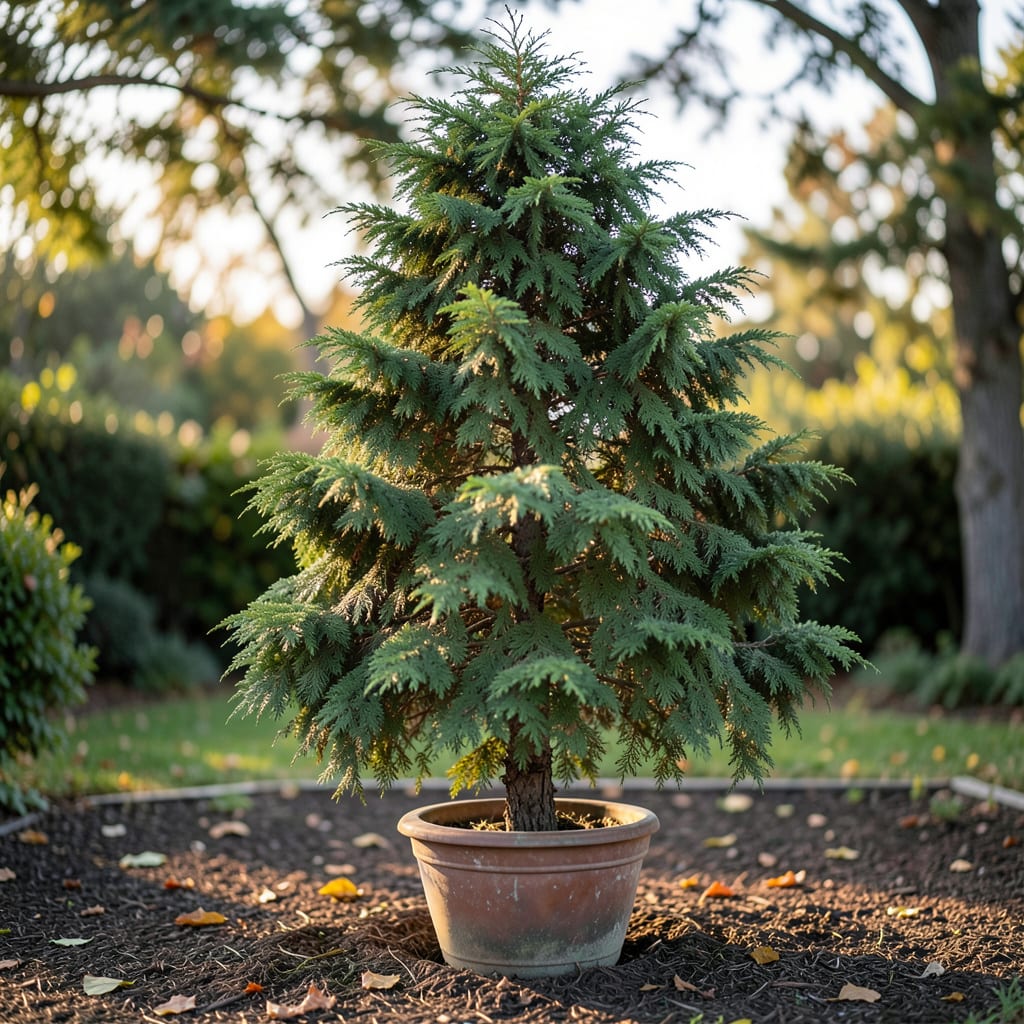
Cedar trees 🌲 are known for their majestic presence and impressive height. But have you ever wondered just how tall these magnificent trees can grow in ideal conditions?
Understanding the maximum height of cedar trees can help you plan your landscape effectively. Let’s explore the factors that influence their growth and the typical height ranges for different cedar species in USDA Zone 6.


Cedar trees are known for their impressive height, but different species can grow to varying maximum heights. The height potential of cedar trees depends on factors like species, climate, and growing conditions 🌲.
Let’s explore the maximum heights of different cedar species. Some popular varieties include Atlas cedar, Western red cedar, and Eastern white cedar. Each has its unique growth characteristics and maximum height potential.
The maximum height of cedar trees can vary significantly between species. For example, Western red cedar is known to reach heights of 70-100 feet, making it one of the tallest cedar varieties 🌳.
Understanding these height ranges is crucial for landscape planning. Whether you’re planting a single tree or creating a cedar hedge, knowing the potential height helps you make informed decisions about spacing and placement.
Growth rates also play a role in how tall cedar trees can grow. While some cedar species grow relatively slowly, others can add 1-2 feet of height per year under ideal conditions 📈.
Factors like soil quality, climate, and watering practices can significantly impact the maximum height cedar trees can achieve. Well-drained soil and full sun typically promote healthier, taller growth 🌻.
Cedar trees are generally considered tall trees, with most mature specimens ranging from 30 to 70 feet in height. However, exceptional specimens can exceed 100 feet in ideal conditions 🌲.
The height comparison to other trees or objects can help put these numbers into perspective. For instance, a 50-foot cedar tree is roughly as tall as a four-story building 🏢.
When planting cedar trees, it’s essential to consider their mature height to avoid future maintenance issues. Proper spacing and placement can prevent the need for excessive pruning or removal 🚧.
In conclusion, cedar trees can grow to impressive heights, with different species reaching varying maximum heights. Understanding these height ranges and the factors that influence growth can help you make informed decisions about planting and caring for these magnificent trees 🌲.
Cedar trees are known for their impressive height, but various factors can influence their growth. Understanding these factors is crucial for maximizing their height potential 🌲.
The height of cedar trees is affected by both environmental conditions and care practices. Let’s explore the key factors that influence cedar tree height growth.
These factors play a significant role in determining the maximum height cedar trees can achieve. By optimizing these conditions, you can help your cedar trees reach their full height potential 🌳.
Soil quality is particularly important as it provides the necessary nutrients for growth. Cedar trees prefer well-drained soil with a slightly acidic to neutral pH 🌿.
Climate conditions also significantly impact cedar tree height. Most cedar species thrive in temperate climates with moderate temperatures and adequate rainfall ☁️.
Watering practices are crucial, especially during the early stages of growth. Consistent moisture helps establish a strong root system, which supports vertical growth 💧.
Pruning techniques can also influence the height and shape of cedar trees. Proper pruning helps maintain tree health and can encourage upward growth by removing lower branches 🌲.
In summary, multiple factors contribute to the height growth of cedar trees. By understanding and optimizing these factors, you can help your cedar trees achieve their maximum height potential 🌲.
Managing cedar tree height is crucial for landscaping purposes, as it allows you to maintain the desired shape and size of your trees 🌲.
Cedar trees can grow quite tall, with some species reaching heights of over 100 feet. However, with proper care and maintenance, you can control their height to suit your landscape needs.
Prune your cedar trees regularly to maintain their shape and promote healthy growth. Remove any dead or damaged branches to prevent disease and encourage new growth 🌱.
One effective way to manage cedar tree height is through pruning. Pruning involves removing select branches to control the tree’s shape and size. It’s essential to prune your cedar trees during their dormant season to minimize stress and promote healthy growth 🌳.
Training is another technique used to manage cedar tree height. This involves shaping the tree’s structure through careful pruning and training of branches. By training your cedar tree, you can create a more balanced and aesthetically pleasing shape 🌲.
Regular maintenance is also vital for managing cedar tree height. This includes monitoring the tree’s growth, removing any dead or damaged branches, and adjusting your pruning and training techniques as needed 🌿.
By implementing these strategies, you can effectively manage the height of your cedar trees and create a beautiful, functional landscape that meets your needs 🌲.
In summary, managing cedar tree height requires a combination of pruning, training, and regular maintenance. By understanding these techniques and applying them to your cedar trees, you can achieve the desired height and shape for your landscape 🌳.
Cedar trees can grow to varying heights depending on the species. On average, most mature cedar trees range from 30 to 70 feet tall. Some species, like Western red cedar, can reach heights of 70-100 feet in ideal conditions .
Cedar trees generally grow at a moderate rate. Some species can add 1-2 feet of height per year under optimal conditions. Factors like soil quality, climate, and watering practices significantly influence their growth rate .
Yes, cedar tree height can be managed through proper pruning techniques. Regular pruning helps maintain the desired shape and size. It’s best to prune during the dormant season to minimize stress and promote healthy growth .
Several factors influence cedar tree height, including soil quality, climate conditions, watering practices, and pruning techniques. Well-drained soil, temperate climates, and consistent moisture promote healthier, taller growth .
