
Beautiful Plants For Your Interior
Beautiful Plants For Your Interior
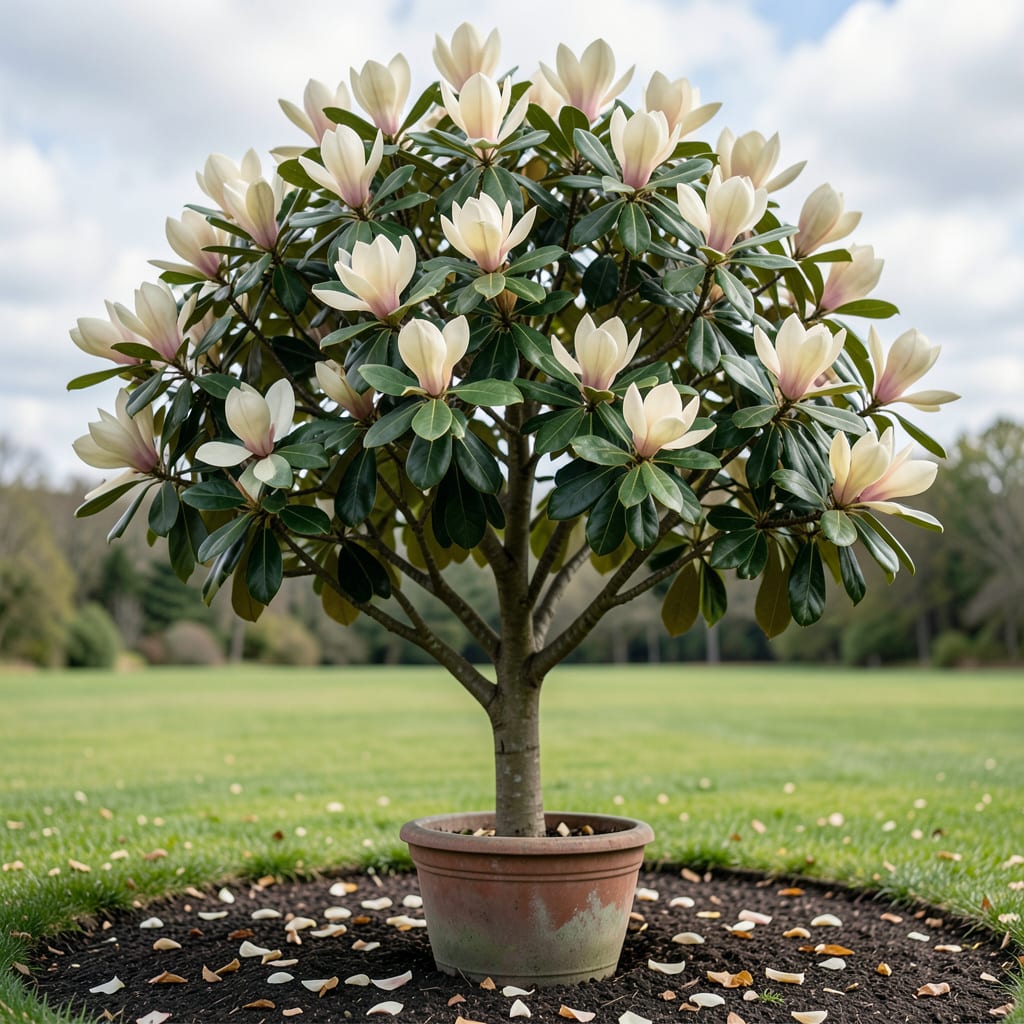
I’ve always been fascinated by the majestic Magnolia 🌳 tree, with its stunning flowers and impressive stature. Understanding how tall these trees can grow is crucial for garden planning, especially in USDA Zone 6a where they thrive.
The height potential of a Magnolia tree varies greatly depending on the species and growing conditions. Let’s explore the factors that influence their growth and maximum heights.


I’ve found that several key factors influence how tall a magnolia tree can grow. The species of magnolia is perhaps the most significant factor, as different varieties have vastly different growth potentials. For example, the Southern Magnolia can grow much taller than the dwarf magnolia varieties.
Other important factors include climate, soil quality, and maintenance practices. Magnolia trees generally thrive in USDA Zone 6a and require specific conditions to reach their maximum height potential. Understanding these factors is crucial for gardeners who want to optimize their magnolia tree’s growth 🌳.
The species of magnolia tree plays a critical role in determining its maximum height. Some varieties are naturally more vigorous and can grow taller than others. For instance, Southern Magnolia (Magnolia grandiflora) is known for reaching heights of up to 80 feet, while dwarf magnolias may only reach 8-12 feet. This variation is due to genetic differences that affect growth rates and overall size potential.
Climate is another crucial factor that influences magnolia tree height. These trees generally prefer full sun to partial shade and thrive in USDA Hardiness Zones 6-9. In areas with mild winters and hot summers, magnolias tend to grow more vigorously, potentially reaching their maximum height more quickly. However, extreme weather conditions, such as prolonged drought or severe cold snaps, can stress the tree and limit its growth.
Soil quality significantly impacts the growth and height of magnolia trees. These trees prefer well-draining, slightly acidic soil rich in organic matter. Soil that is too dense or poorly drained can lead to root rot and other issues that may stunt the tree’s growth. Conversely, soil with the right balance of nutrients can support healthy development and help the tree reach its full height potential.
Maintenance practices, including pruning and fertilizing, also play a role in determining how tall a magnolia tree will grow. Regular pruning can help control the tree’s height and shape, while fertilization provides essential nutrients that support overall health and growth. Proper maintenance ensures that the tree remains vigorous and can achieve its maximum height.
In my experience, understanding these factors is essential for gardeners who want to cultivate healthy, thriving magnolia trees. By considering the species, climate, soil quality, and maintenance practices, gardeners can create an optimal environment for their magnolia trees to reach their full height potential 🌳.
It’s also worth noting that magnolia trees are known for their slow to moderate growth rate. On average, they can grow about 1-2 feet per year once established. This means that patience is key when cultivating these beautiful trees. With the right conditions and care, magnolias can become stunning focal points in any garden or landscape.
By focusing on these key factors, gardeners can better understand how tall their magnolia tree can grow and take steps to support its development. Whether you’re planting a dwarf magnolia or a Southern Magnolia, understanding these elements will help you achieve the best results.
In conclusion, the height potential of a magnolia tree is influenced by a combination of factors, including species, climate, soil quality, and maintenance practices. By understanding and optimizing these factors, gardeners can help their magnolia trees reach their maximum height and thrive in their garden or landscape 🌳.
Magnolia trees are known for their impressive stature, with different species reaching varying heights. Understanding the maximum height potential of different magnolia species is essential for garden planning 🌳.
The height of magnolia trees can vary significantly depending on the species. Some varieties are naturally more vigorous and can grow taller than others. Let’s explore the average and maximum heights of different magnolia species.
The Southern Magnolia (Magnolia grandiflora) is one of the tallest magnolia species, known for reaching heights of up to 80-100 feet in ideal conditions. This makes it an impressive addition to larger landscapes 🌲.
In contrast, dwarf magnolia varieties are much smaller, typically reaching heights of 8-12 feet. These compact trees are perfect for smaller gardens or container planting 🌿.
Saucer Magnolias (Magnolia × soulangeana) fall somewhere in between, with average heights ranging from 20-30 feet and maximum heights of up to 40 feet. Their size makes them suitable for a variety of garden settings 🌸.
Understanding the height potential of different magnolia species is crucial for garden planning and ensuring that the tree has enough space to grow. By choosing the right species for your garden size and conditions, you can enjoy the beauty of magnolia trees without worrying about them outgrowing their space 🌳.
In my experience, selecting the appropriate magnolia species based on your garden’s specific conditions is key to successful cultivation. Whether you opt for a tall Southern Magnolia or a compact dwarf variety, understanding their height potential will help you make informed decisions 🌻.
By considering the maximum heights of popular magnolia tree species, gardeners can better plan their landscapes and ensure that their trees thrive. Proper planning and species selection are essential for creating a beautiful and balanced garden ecosystem 🌱.
I’ve found that proper pruning is essential for managing the height of magnolia trees and maintaining their overall health. Regular pruning helps control the tree’s size, promotes healthy growth, and enhances its natural beauty 🌳.
Pruning magnolia trees requires careful consideration of the right techniques and timing. Let’s explore some practical tips for managing magnolia tree height through pruning.
Prune magnolia trees immediately after they finish blooming in spring. This timing allows you to shape the tree without removing next year’s flower buds.
For taller magnolias, consider removing lower branches to create a higher canopy. This technique can make the tree appear taller while maintaining its overall health.
Selectively remove branches from the interior of the canopy to reduce density and promote air circulation. This helps maintain the tree’s health and appearance.
When pruning magnolia trees, it’s essential to use the right tools and techniques to avoid damaging the tree. I recommend using sharp, clean pruning shears and making clean cuts just above a growth node. This helps the tree heal quickly and reduces the risk of disease or pest infestation 🌿.
Another important consideration is to avoid over-pruning. Magnolia trees can be sensitive to excessive pruning, which can stress the tree and lead to health issues. I suggest removing no more than 25% of the tree’s foliage in a single pruning session to maintain its health and vigor.
By following these pruning tips, gardeners can effectively manage the height of their magnolia trees while promoting healthy growth and maintaining their natural beauty. Proper pruning techniques are essential for creating a balanced and thriving garden ecosystem 🌸.
In my experience, regular maintenance and careful pruning are key to enjoying a stunning magnolia tree that remains healthy and well-proportioned. By understanding the right pruning techniques and timing, gardeners can take control of their magnolia tree’s height and overall appearance 🌻.
Magnolia trees typically grow at a slow to moderate rate of 1-2 feet per year once established. This means that patience is key when cultivating these beautiful trees. With proper care, they can become stunning focal points in any garden or landscape .
Yes, regular pruning can help control the height and shape of your magnolia tree. It’s best to prune immediately after blooming in spring to avoid removing next year’s flower buds. Remove no more than 25% of the tree’s foliage in a single session to maintain its health and vigor .
The height of magnolia trees varies significantly by species. For example, Southern Magnolias can reach up to 80-100 feet, while dwarf magnolias typically top out at 8-12 feet. Understanding the specific growth potential of your tree’s species is crucial for garden planning .
Several key factors affect how tall a magnolia tree can grow, including species, climate, soil quality, and maintenance practices. Optimizing these factors can help your magnolia tree reach its full height potential and thrive in your garden or landscape .
