
Beautiful Plants For Your Interior
Beautiful Plants For Your Interior
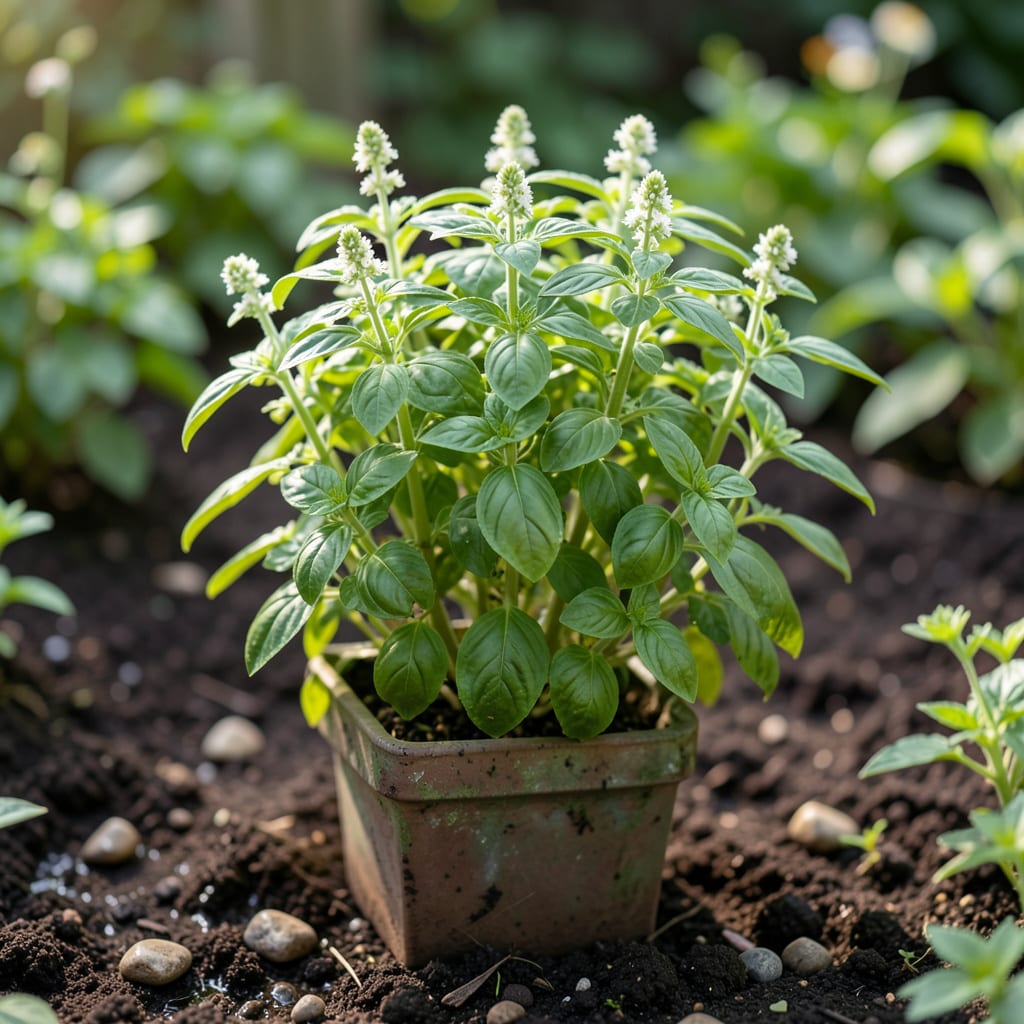
I’ve always been fascinated by how tall my Basil 🌿 plants can grow. The right conditions can make all the difference in their height and overall health.
In USDA Zone 6, Basil plants typically thrive during the spring season, and with proper care, they can reach their maximum height. Let’s explore the factors that influence their growth and how to maximize their potential.


When growing Basil, understanding the factors that influence its height is crucial for maximizing its growth potential. Several environmental and care factors play a significant role in determining how tall your Basil plant will grow 🌿.
The amount of sunlight is one of the most critical factors affecting Basil plant height. Basil requires full sun to grow well, meaning it needs at least 6 hours of direct sunlight daily. Inadequate sunlight can lead to leggy growth and reduced height 🔥.
The quality of the soil is another vital factor. Basil prefers well-draining soil rich in organic matter. Poor soil conditions can limit root development and, consequently, the plant’s overall height 🌱.
Watering practices also significantly impact Basil’s growth. The plant prefers consistently moist soil but is susceptible to root rot if the soil is waterlogged. Proper watering techniques are essential for achieving optimal height 💧.
Pruning techniques can influence Basil plant height as well. Regular pruning encourages the plant to grow bushier and can lead to a taller, more robust Basil plant 🌿.
By understanding and managing these factors, gardeners can create an optimal environment for their Basil plants to grow tall and healthy.
In USDA Zone 6, Basil plants can typically grow between 1 to 2 feet tall when provided with the right conditions. Proper care and attention to the factors mentioned above can help maximize their height 🔝.
For Basil plants to reach their full height potential, it’s essential to maintain a balance between these factors. This includes ensuring adequate sunlight, using quality soil, practicing proper watering, and employing effective pruning techniques 🌻.
By following these guidelines, gardeners can enjoy a bountiful harvest of fresh Basil leaves from their tall, healthy plants.
The maximum height of a Basil plant is largely dependent on the variety and growing conditions. Some Basil varieties are naturally more compact, while others can grow quite tall 🌟.
Overall, with the right care and conditions, Basil plants can become a thriving addition to any garden or indoor space, providing fresh herbs for culinary use throughout the growing season 🌸.
To achieve maximum height for Basil plants, gardeners should focus on providing optimal growing conditions and employing expert gardening techniques 🌿.
The first step is to ensure proper fertilization. Basil benefits from regular feeding with a balanced fertilizer (NPK ratio of 10-10-10) every 4-6 weeks during the growing season 🌻.
Plant Basil seeds or seedlings 12-18 inches apart to allow for adequate air circulation and sunlight penetration.
Regularly inspect plants for pests and use organic pest control methods when necessary to prevent damage.
Regular harvesting by pinching off flower buds and trimming back leggy stems encourages bushy growth and increases overall height.
By implementing these expert gardening tips, gardeners can maximize the height of their Basil plants and enjoy a more bountiful harvest 🌸.
Adequate spacing between Basil plants is crucial for maximizing height. Proper spacing allows for better air circulation, which helps prevent fungal diseases that can stunt growth 🔥.
Pest control is another critical aspect of maximizing Basil plant height. Regular monitoring and organic pest management strategies can protect plants from damage caused by pests like aphids and spider mites 🐜.
Regular harvesting not only provides fresh Basil leaves for culinary use but also encourages the plant to grow bushier and taller. Pinching off flower buds and trimming back leggy stems are effective techniques for promoting vertical growth 🌿.
Combining these strategies with the optimal growing conditions discussed earlier can significantly enhance the height and overall health of Basil plants 🌱.
For gardeners in USDA Zone 6, following these expert tips during the spring planting season can lead to impressive results. Proper care from March through May sets the stage for a successful harvest in the summer months 🌞.
By understanding and applying these expert gardening tips, gardeners can enjoy taller, healthier Basil plants that provide an abundance of fresh leaves throughout the growing season 🌸.
When growing Basil, it’s essential to avoid common mistakes that can limit its growth potential. By understanding these pitfalls, gardeners can take steps to prevent them and ensure their Basil plants reach their maximum height 🌿.
One of the most significant mistakes gardeners make is overwatering. Basil prefers consistently moist soil, but excessive water can lead to root rot and other problems. To avoid this, check the soil moisture regularly and adjust your watering schedule accordingly 💧.
Check soil moisture before watering. If the top inch of soil feels dry, it’s time to water. Avoid getting water on the leaves to prevent fungal diseases.
Insufficient light is another common mistake that can limit Basil growth. As mentioned earlier, Basil requires at least 6 hours of direct sunlight daily. If your plants are not receiving enough light, consider relocating them to a sunnier spot or supplementing with grow lights 🔦.
Poor soil conditions can also hinder Basil growth. Ensure your soil is well-draining and rich in organic matter. Adding compost or well-rotted manure can improve soil quality and support healthy Basil growth 🌱.
By being aware of these common mistakes and taking steps to avoid them, gardeners can create an optimal environment for their Basil plants to thrive and reach their full height potential 🌸.
In USDA Zone 6, being mindful of these factors during the spring planting season can make a significant difference in the health and height of your Basil plants 🌞.
Regular monitoring and adjustments to your care routine can help prevent these common mistakes and ensure a bountiful harvest of fresh Basil leaves 🌿.
Basil plants typically grow between 1 to 2 feet tall when provided with optimal conditions. The exact height can vary depending on the variety and growing conditions. Some compact varieties may remain smaller, while others can reach their full height potential with proper care.
Water your Basil plant every 2-3 days, ensuring the soil remains consistently moist but not waterlogged. Adjust your watering schedule based on soil moisture checks to prevent overwatering. Proper watering techniques are crucial for achieving optimal height.
Yes, insufficient sunlight can significantly impact Basil plant height. Basil requires at least 6 hours of direct sunlight daily to grow well. Inadequate sunlight can lead to leggy growth and reduced height. Consider relocating your plant to a sunnier spot or supplementing with grow lights if necessary.
Regular pruning encourages Basil plants to grow bushier and can lead to a taller, more robust plant. Pinch off flower buds and trim back leggy stems to promote vertical growth and increase overall height. This technique helps maintain a healthy and productive Basil plant.
