
Beautiful Plants For Your Interior
Beautiful Plants For Your Interior
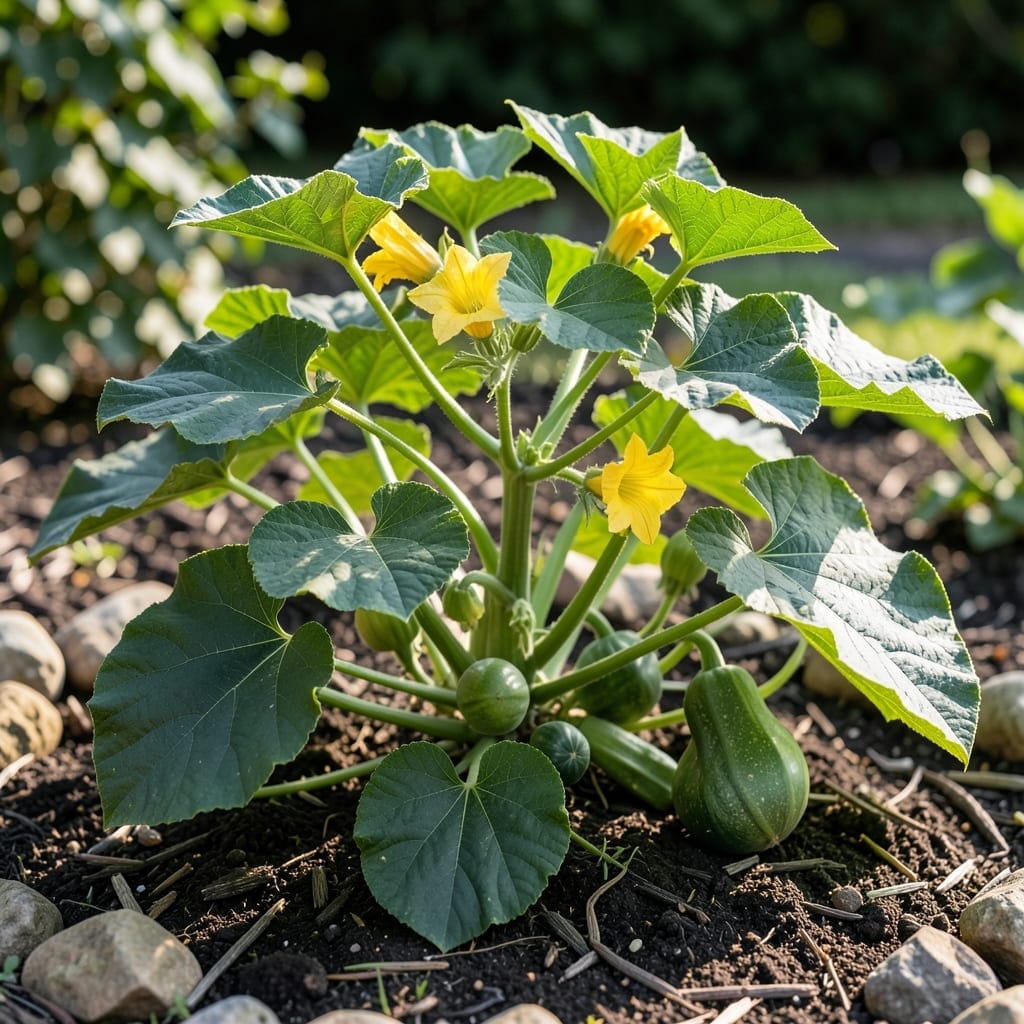
I learned the hard way that 🎃 Squash won’t thrive in shady spots. These sun-loving plants need the right light to produce those bountiful vines and fruits we all want.
Getting their sunlight needs wrong can leave you with weak plants and a disappointing harvest. Whether it’s zucchini or pumpkins, the right exposure makes all the difference.
Discover how to give your Squash the ideal conditions for healthy growth. It’s simpler than you might think, and I’ll walk you through it.

I’ve found that squash plants are true sun lovers, and their needs vary slightly by type. Most thrive with full sun exposure, but knowing the specifics helps maximize your harvest potential.
For summer squash like zucchini, 6-8 hours of direct sunlight daily is ideal. These fast growers need consistent light to produce their tender fruits throughout the season.
| Squash Type | Minimum Sun | Ideal Sun | Notes |
|---|---|---|---|
| Summer Squash | 6 hours | 8+ hours | Fast fruiting needs consistent light |
| Winter Squash | 6 hours | 8-10 hours | Longer season benefits from more sun |
| Pumpkins | 6 hours | 10+ hours | Largest fruits need maximum light |
Winter squash varieties like butternut do best with 8-10 hours of sunlight. Their longer growing season means more light translates to larger, sweeter fruits at harvest time.
For pumpkins, I recommend aiming for 10+ hours of direct sun. These giant plants need maximum light to develop those impressive jack-o’-lanterns or pie pumpkins we all love.
Remember, these are minimum requirements. In my experience, more sun almost always means better growth and higher yields, as long as you’re also providing adequate water and nutrients.
If your garden gets partial shade, prioritize the sunniest spots for squash. Even a few extra hours of morning sun can make a noticeable difference in vine vigor and fruit production.
I’ve noticed that plants getting less than 6 hours often produce smaller fruits and have weaker stems. They might still grow, but you’ll sacrifice both quantity and quality in your harvest.
For container growers, place your pots where they’ll get unobstructed sunlight for most of the day. Balconies, driveways, and south-facing patios are often ideal locations.
Don’t forget that sun intensity matters too. In hotter climates, afternoon shade can actually benefit squash by preventing heat stress, while in cooler areas, every sunbeam counts.
Monitor your plants closely. Healthy squash in optimal light will have deep green leaves and strong, sturdy vines that spread rapidly across the garden.
I’ve seen firsthand how squash plants suffer without enough light. The first sign is often stunted growth—vines that should be spreading rapidly stay small and weak.
Another red flag is poor fruiting. Your plants might flower, but the fruits either don’t form or stay undersized. This happens because squash needs ample sunlight to develop those energy-rich fruits we love.
⚠️ Warning: Yellowing leaves and weak stems often signal light deficiency. If your squash looks leggy or pale, it’s likely begging for more sun. Even 6 hours of shade can reduce yields by half.
Watch for long, spindly stems with widely spaced leaves. This is your plant’s desperate attempt to reach for more light, a classic symptom of light starvation.
In my garden, I’ve noticed that shade-tolerant varieties still underperform without full sun. Even types marketed as shade-friendly will produce better with more direct light.
To fix this, I relocate containers to sunnier spots or prune nearby plants casting shadows. Sometimes, simply adjusting plant spacing can make a big difference in light access.
Remember, morning sun is most beneficial. If your garden only gets afternoon light, prioritize squash for those spots—it’s better than no sun at all.
Regularly check your plants’ progress. Healthy squash in good light will have vibrant green leaves and strong, thick vines that grow several inches per day during peak season. ☀️