
Beautiful Plants For Your Interior
Beautiful Plants For Your Interior
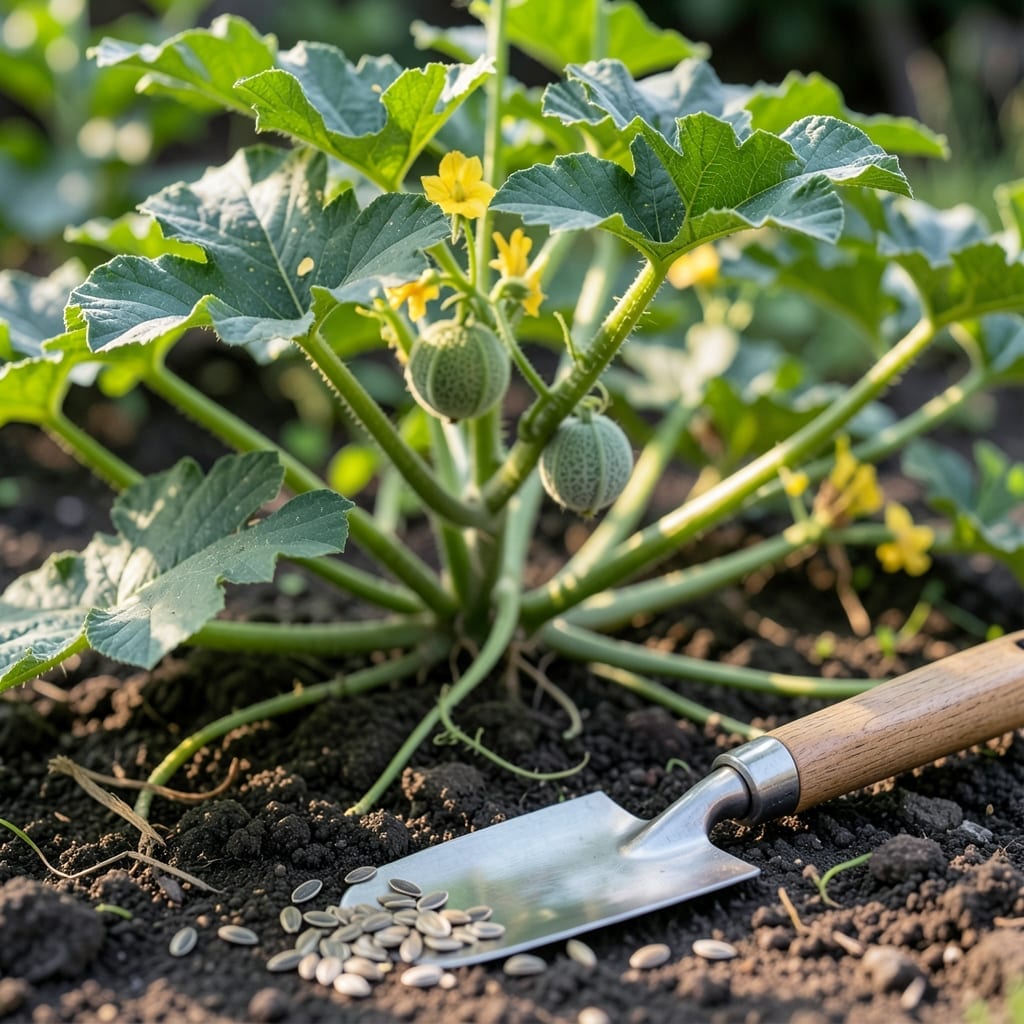
There’s nothing quite like biting into a juicy 🍈 Cantaloupe you’ve grown yourself. But how long does it actually take to go from tiny seed to sweet harvest?
I remember my first attempt – I planted seeds and waited impatiently, wondering if I’d done something wrong. Turns out, timing is everything with Cantaloupe.
From my experience, you can expect to wait about 75-90 days from planting to harvest. That’s just over 2 months of careful tending and watching.
Let me walk you through the complete timeline, from those first sprouts to the day you pick your first ripe melon. You’ll be surprised how straightforward it is when you know what to expect.

When I first planted cantaloupe seeds, I was amazed at how quickly they sprouted. The journey from seed to harvest is a rewarding process that takes about 75-90 days in ideal conditions.
Understanding each growth stage helps you provide the best care. From germination to fruit maturation, every phase has specific needs that impact your final harvest.
| Stage | Timeline | Key Development |
|---|---|---|
| Germination | 5-10 days | Seeds sprout with first true leaves |
| Seedling Growth | 3-4 weeks | Develops strong root system and vines |
| Vine Development | 4-6 weeks | Runners extend 1-2 feet long |
| Flowering | Week 6-8 | First yellow blooms appear |
| Fruit Maturation | 30-45 days | After pollination, melons form and ripen |
The germination stage is the most exciting part for me. With proper soil temperature (at least 60°F), you’ll see sprouts in as little as 5 days. Keep the soil consistently moist but not waterlogged.
During seedling growth, your cantaloupe plants will develop their first true leaves. This is when I start hardening off the plants if I’ve started them indoors. Gradual exposure to outdoor conditions prepares them for transplanting.
The vine development phase is when things get serious. Your plants will send out long runners, sometimes growing 6 inches per day in ideal conditions. I always
When flowering begins around week 6-8, you’ll notice two types of blooms: male and female. The female flowers will eventually develop into cantaloupe fruits after successful pollination. Bees usually do this work, but I sometimes help with a small paintbrush.
Finally, the fruit maturation period requires patience. After pollination, it takes 30-45 days for melons to reach full size and ripeness. I check daily once they start changing color, as the window for peak ripeness is short.
Remember that these timelines can vary based on your climate zone and the specific cantaloupe variety you’re growing. In cooler areas, the process might take a bit longer, while warm climates can speed things up.
I’ve found that ‘Minnesota Midget’ is a great fast-maturing variety, often ready in just 70 days. For standard types, expect the full 80-90 day range for the best flavor development. ☀️
If you’re eager to taste that first homegrown cantaloupe, I’ve got some tricks to shave days off your timeline. With the right approach, you can enjoy ripe melons sooner than you think.
These methods have helped me get faster results without sacrificing quality. The key is working with nature, not against it, to create ideal conditions for rapid growth.
Starting seeds indoors is my top recommendation. It gives your plants a 4-week head start before they even touch garden soil. Just be sure to harden them off properly before transplanting.
Black plastic mulch works wonders by trapping heat in the soil. I’ve seen plants grow 20% faster with this simple addition. It also helps retain moisture between waterings.
Variety selection matters too. While most cantaloupes take 75-90 days, some newer hybrids mature in as little as 70 days. That’s a full week less waiting for your first harvest.
Consistent watering prevents the stress that can delay fruit development. I aim for 1-2 inches per week, more during hot spells. A drip irrigation system can make this effortless.
Row covers protect young plants from late frosts and pests. I remove them once flowers appear to allow for pollination, but they’re invaluable in those early weeks.