
Beautiful Plants For Your Interior
Beautiful Plants For Your Interior
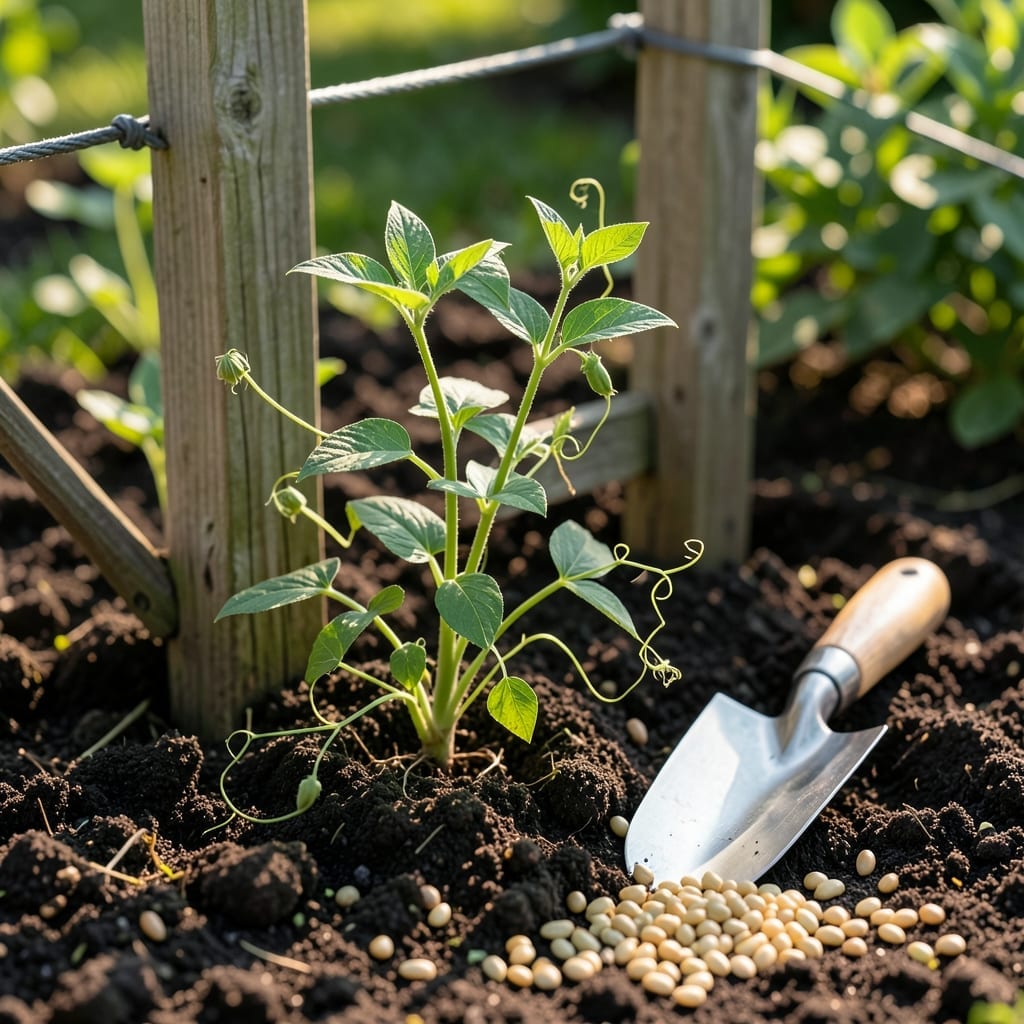
There’s something magical about watching those first Pea 🌱 sprouts emerge from the soil. As a gardener, I know the waiting game can feel endless when you’re eager to see progress.
Understanding the germination timeline helps take the guesswork out of planting. Whether you’re new to growing or have seasons of experience, knowing what to expect makes the process far less stressful.
I’ve learned that several factors can speed up or slow down this early growth stage. From soil temperature to moisture levels, each detail plays a part in how quickly your peas will appear.
Discover the typical timeline and the most effective ways to encourage strong, healthy sprouts in your garden this season.

If you’re eager to start growing peas, knowing the germination timeline is key. Typically, pea seeds sprout in 7 to 14 days under ideal conditions, but this can vary. I’ve found that soil temperature plays a huge role in how quickly they emerge.
For the best results, aim for soil temps between 60°F and 75°F. Cooler soil can slow germination, sometimes taking up to 3 weeks. Varieties like sugar snap peas and snow peas tend to germinate faster than shelling peas, which may need a few extra days.
| Pea Variety | Germination Time | Ideal Soil Temp |
|---|---|---|
| Sugar Snap | 7-10 days | 65°F-75°F |
| Snow Peas | 7-12 days | 60°F-70°F |
| Shelling Peas | 10-14 days | 60°F-70°F |
Planting depth also matters. I always plant pea seeds about 1 inch deep—any deeper, and they’ll take longer to push through the soil. Shallow planting helps them sprout faster, especially in cooler spring conditions.
Moisture is another critical factor. Keep the soil consistently damp but not waterlogged. Overwatering can cause the seeds to rot, while dry soil will delay germination. A light mulch can help retain moisture without smothering the seeds.
If your soil temperature is below 50°F, germination may take 3 weeks or more. In this case, I recommend starting seeds indoors in peat pots or using a heat mat to warm the soil before transplanting.
For faster results, try pre-soaking seeds overnight in lukewarm water. This softens the seed coat and can shave a few days off the germination time. Just be sure to plant them immediately after soaking.
Light exposure isn’t critical for germination, but once sprouts emerge, they’ll need full sun to thrive. I’ve noticed that peas planted in partial shade tend to grow leggy and weak, so choose a sunny spot for best results.
If you’re planting in early spring, consider using black plastic mulch to warm the soil faster. This trick can speed up germination by a week or more in cooler climates, giving you an earlier harvest.
Finally, don’t forget to check the seed packet for variety-specific advice. Some newer hybrids are bred for faster germination and may sprout in as little as 5 days under perfect conditions. Happy planting! 🌱
I’ve found that most pea seeds sprout in 7 to 14 days under ideal conditions, but you can shave off days with a few smart moves. Warming the soil or pre-soaking seeds often gives them a head start.
Consistent moisture and the right temperature make all the difference. I aim for 60-75°F soil to trigger the fastest germination without risking rot. ☀️
I always check soil temperature with a simple thermometer before planting. If it’s below 40°F, peas will sit dormant and may rot in cold, wet soil.
Using row covers can add a few degrees of warmth while protecting seeds from heavy rain that might wash them away or cause crusting.
For sugar snap peas, I’ve seen germination in as little as 5 days when soil is warm and seeds are fresh. Older seeds take longer, so always check the packet date.
Finally, avoid fertilizing at planting—peas fix their own nitrogen. Too much can delay sprouting by burning tender roots. 🌱