
Beautiful Plants For Your Interior
Beautiful Plants For Your Interior
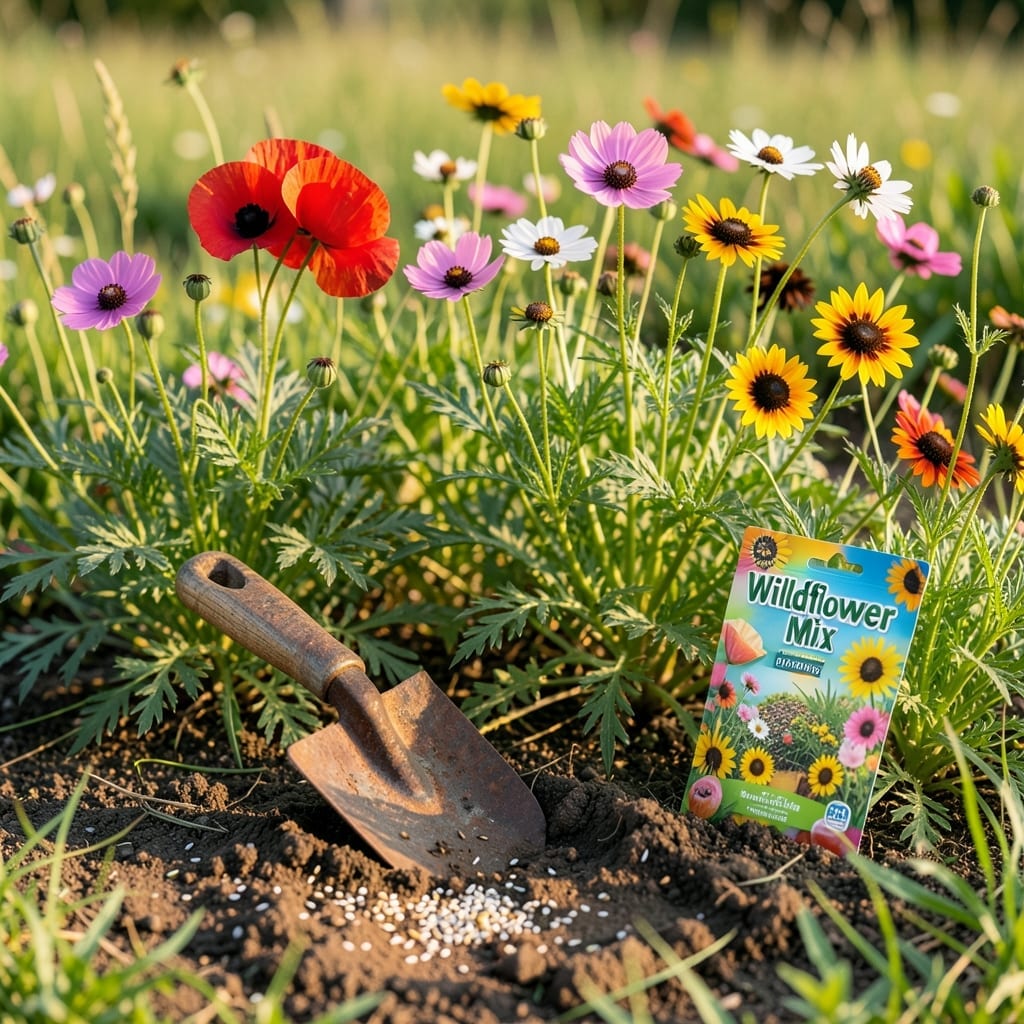
Patience is the key when growing 🌸 Wildflower from seed, as the timeline from planting to blooming can vary dramatically by species and conditions.
Understanding this process helps you set realistic expectations and plan your wildflower meadows effectively. Whether you’re a beginner or seasoned gardener, knowing what to expect makes all the difference.
Discover how long it takes for these beautiful blooms to go from seed to flower, and what factors might speed up or slow down the process.


When I plant wildflower seeds, the germination time can range from 5 to 30 days, depending on the species. Fast growers like California poppies may sprout in just 5-10 days under ideal conditions.
Slower varieties, such as foxgloves or lupines, can take 2-4 weeks or even longer. These differences are why I always check the seed packet for specific timelines.
| header-cell”>Germination Time | California Poppy | 5-10 days | Fast germinator, loves sun | |
| Black-Eyed Susan | 10-14 days | Moderate speed, drought-tolerant | ||
| Foxglove | 21-28 days | Slow, prefers partial shade | ||
| Lupine | 14-30 days | Needs stratification for best results | ||
| Cosmos | 7-14 days | Quick and easy to grow |
Environmental factors play a huge role in germination speed. I’ve noticed that soil temperature between 65-75°F is ideal for most wildflowers. Cooler soils slow down the process significantly.
Moisture levels are another critical factor. I keep the soil consistently damp but not waterlogged during germination. Too much water can cause seeds to rot, while too little can delay sprouting.
Light requirements vary by species too. Some wildflowers, like poppies, need light to germinate, so I barely cover their seeds with soil. Others, such as lupines, prefer to be planted deeper.
I always prepare the soil by removing weeds and loosening the top 1-2 inches. This gives the seeds better contact with the soil, which can speed up germination by a few days.
For perennial wildflowers, I’ve learned that stratification can help. This means exposing seeds to cold, moist conditions for 4-6 weeks before planting to break their dormancy.
In my experience, annual wildflowers tend to germinate faster than perennials. They’re designed to grow quickly, complete their life cycle, and produce seeds within a single season.
Meanwhile, perennial wildflowers often take longer to establish but come back year after year once they’re established 🌱
Once wildflower seeds sprout, the real transformation begins. I watch as the first true leaves appear, usually within 7-14 days after germination. These aren’t the initial seed leaves but the plant’s actual foliage, which looks different.
After the true leaves form, the seedling focuses on root development and stem growth. This stage can last 2-4 weeks, depending on the species and growing conditions. Strong roots are crucial for supporting the plant as it grows taller.
Next comes bud formation, which typically happens 4-8 weeks after germination. I love this stage because it’s a sign that blooms are coming soon. The buds start as tiny green nubs and gradually swell.
The final stage is blooming, which can take 8-12 weeks or more from seed. Fast growers like cosmos may flower in 60 days, while slower perennials might take a full season. I’ve found that consistent care speeds up this process.
Annual wildflowers often bloom within 60-90 days of planting, while perennials may take a year to establish and flower. I always mark my calendar to track progress and adjust care as needed.
For the best results, I ensure my wildflowers get full sun and regular water during these stages 🌻