
Beautiful Plants For Your Interior
Beautiful Plants For Your Interior
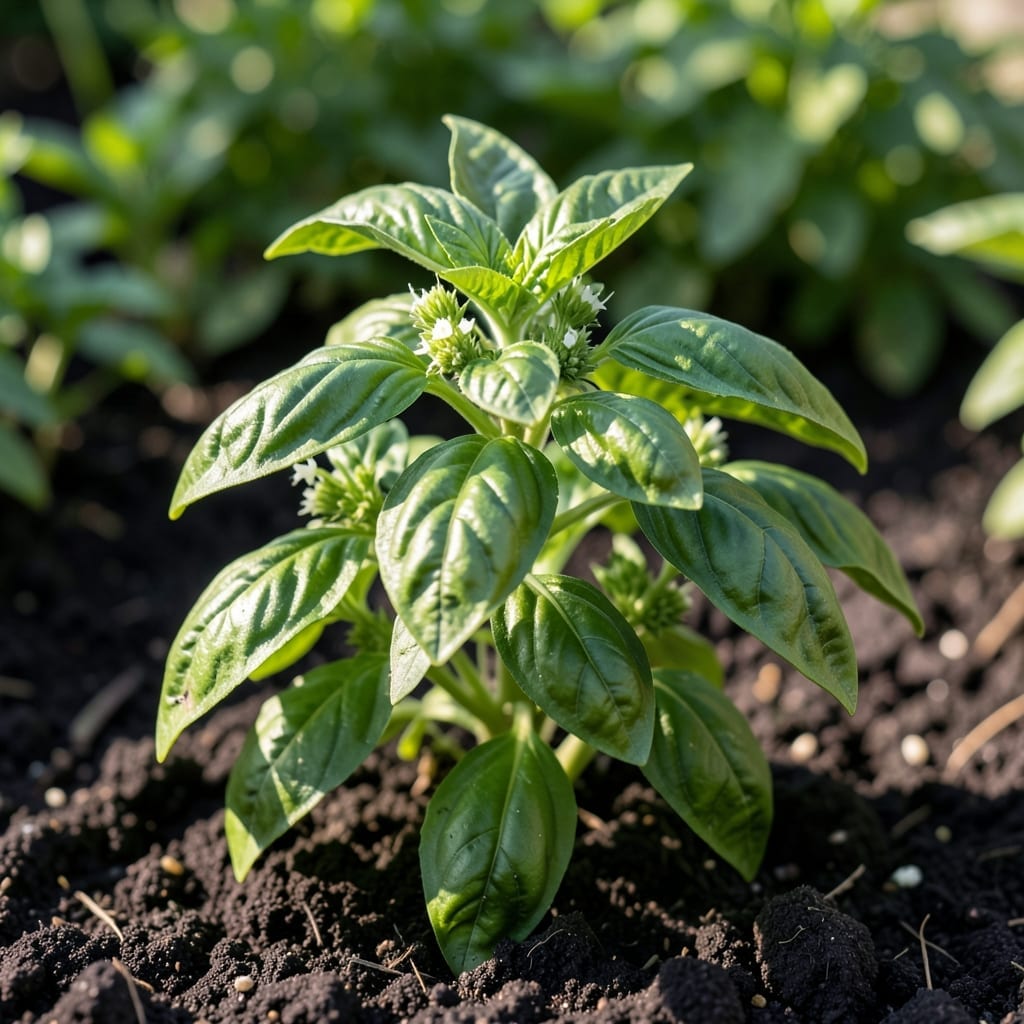
I used to confuse mint with oregano until I learned the telltale signs. Recognizing herbs by sight saves time, prevents mistakes, and makes gardening way more rewarding.
Leaf shape, stem texture, and growth pattern give each herb away. Basil’s glossy leaves are different from rosemary’s needle-like ones. Even similar herbs like thyme and oregano have distinct differences once you know what to look for.
Proper identification means better care—watering, pruning, and harvesting all depend on knowing exactly what you’re growing. No more guessing games or wasted efforts on the wrong plant.
This guide covers the most common herbs, their visual traits, and how to tell them apart with confidence. You’ll never mix them up again.
Herb plant identification errors often stem from visual similarities and environmental factors. Here’s why it happens:
Many herbs share leaf shapes, stem textures, or flower structures, making them hard to distinguish. For example, mint (Mentha spp.) and catnip (Nepeta cataria) both have square stems and serrated leaves. Without examining subtle details like leaf arrangement (opposite vs. alternate) or aroma, even experienced gardeners can confuse them.
Herbs change dramatically as they mature. A young basil (Ocimum basilicum) seedling may resemble parsley (Petroselinum crispum) until its true leaves develop. Similarly, dill (Anethum graveolens) and fennel (Foeniculum vulgare) look identical in early stages—only their height, scent, or umbel flowers reveal the difference later.
Light, soil, and climate can alter an herb’s appearance. Rosemary (Rosmarinus officinalis) grown in shade may develop broader, paler leaves, mimicking lavender (Lavandula spp.). Drought-stressed thyme (Thymus vulgaris) might curl its leaves, resembling oregano (Origanum vulgare). Always cross-check growing conditions with visual cues.
Selective breeding creates hybrids with mixed traits. Lemon balm (Melissa officinalis) and lemon verbena (Aloysia citrodora) both have citrusy scents but differ in leaf shape and hardiness. Without genetic or botanical key analysis, hybrids can stump even experts.
Misidentifying herbs can lead to culinary mishaps or even safety risks. Here’s how to tackle common problems with practical fixes and prevention tips.
Fix: Compare leaf shape, texture, and arrangement. For example, parsley has flat leaves, while cilantro has jagged edges. Use a magnifying glass for tiny details like hairy stems or serrated edges.
Prevention: Plant herbs in labeled pots or designated garden sections. Take photos when purchasing seedlings to reference later.
Fix: Observe the plant’s height, spread, and branching. Basil grows tall and bushy, while thyme stays low and woody. Check for distinctive features like mint’s square stems or rosemary’s needle-like leaves.
Prevention: Keep a gardening journal with sketches or notes on each herb’s growth habits. Group similar herbs together to spot differences more easily.
Fix: Crush a leaf between your fingers to release the scent. Lemon balm smells citrusy, while oregano has a pungent, earthy aroma. If unsure, avoid tasting until you’re certain.
Prevention: Label plants immediately after purchase or planting. Store dried herbs in separate, clearly marked containers.
Use a reliable plant identification app as a backup. Snap a photo of the whole plant, leaves, and flowers (if present) for accurate results. Always cross-check with a trusted gardening guide or expert.
Basil has glossy, slightly cupped leaves with a sweet aroma, while mint features serrated edges and a cooler scent. Crush a leaf—basil smells like licorice, mint like toothpaste.
Young seedlings often share similar shapes. Dill and fennel, for example, look alike until they mature and develop distinct stems and flowers. Always check the full plant, not just leaves.
Yes! Apps like PlantNet or PictureThis analyze photos of leaves, stems, and flowers. For best results, snap clear images in natural light and cross-check with a gardening guide.
Parsley has flat, broad leaves, while cilantro’s are more finely divided and lacy. Smell them—cilantro has a citrusy, soapy scent that parsley lacks.