
Beautiful Plants For Your Interior
Beautiful Plants For Your Interior
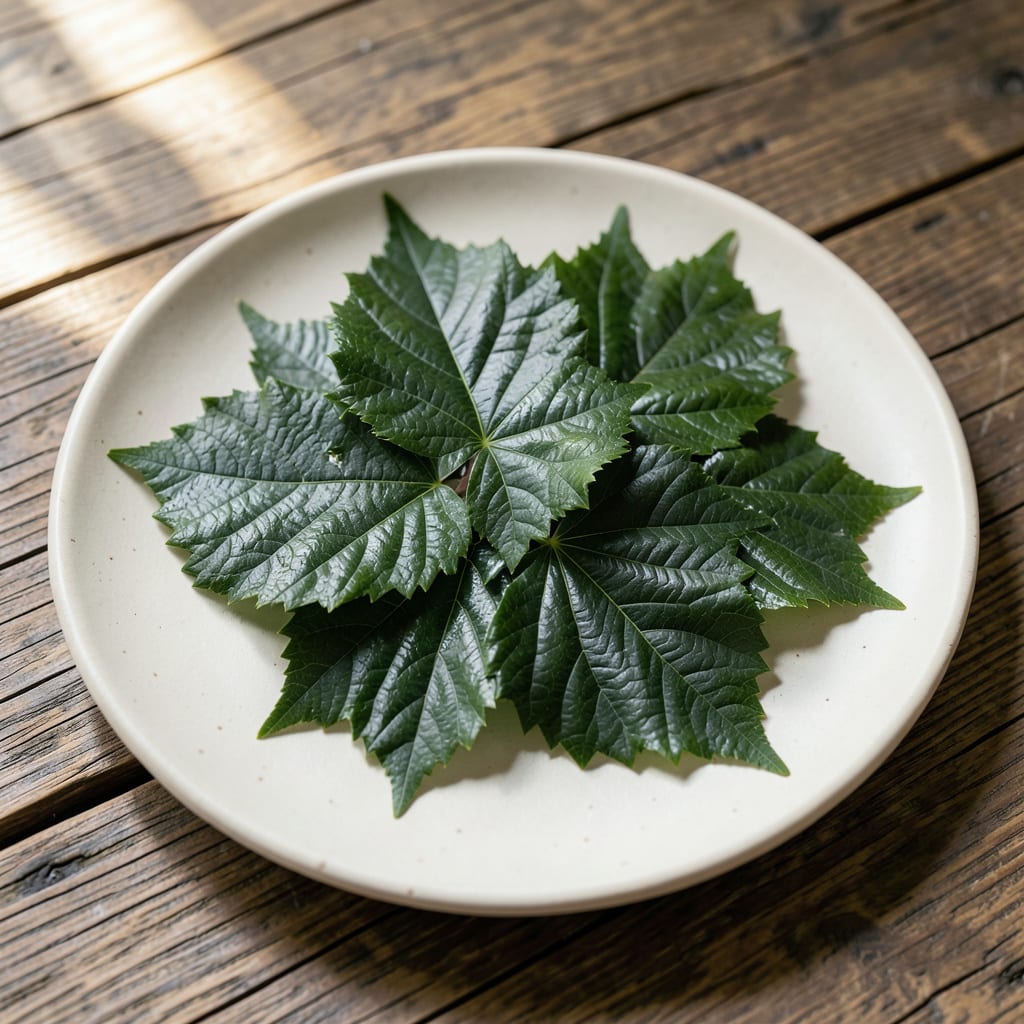
Five leaves can trick even experienced gardeners. I’ve mistaken Virginia creeper for poison ivy more times than I’d like to admit, and the consequences of getting it wrong aren’t just embarrassing—they’re painful.
Real poison ivy always has three leaflets, while its five-leafed doppelgängers often cluster in groups or spread in vining patterns. The edges tell the story too: poison ivy’s leaves are smooth or toothed, but never deeply lobed like some harmless look-alikes.
Learning these differences means you can work in your garden without constant worry. No more second-guessing every vine or shrub you encounter in the wild or your own backyard.
Safety starts with observation. Take a moment to count and examine before you touch—it’s the simplest way to stay rash-free all season.
Nature loves repetition, and that’s why poison ivy look-alikes with five leaves exist. 🌿 These visual doppelgängers arise from evolutionary strategies, environmental adaptations, and botanical coincidences. Below are the key scientific reasons behind the confusion.
Some plants evolve to resemble toxic species like poison ivy (Toxicodendron radicans) to deter herbivores. This phenomenon, called Batesian mimicry, allows harmless plants to avoid being eaten by mimicking the warning signs (e.g., leaf shape, arrangement) of dangerous ones. Boxelder (Acer negundo) and Virginia creeper (Parthenocissus quinquefolia) sometimes exploit this by adopting a five-leaflet pattern.
Five-leaflet arrangements are common in the Sapindales order, which includes poison ivy. Plants like mock strawberry (Duchesnea indica) or wood sorrel (Oxalis spp.) may coincidentally share this trait due to genetic or structural similarities. Leaflets often grow in odd numbers (3, 5, 7) for optimal sunlight capture, leading to overlapping appearances.
Climate and soil conditions can alter leaf morphology. For example, young boxelder saplings may develop compound leaves with 5–7 leaflets in shady, moist areas—mirroring poison ivy’s habitat. Similarly, hog peanut (Amphicarpaea bracteata) adapts its foliage to forest understories, creating a deceptive resemblance to its toxic neighbor.
Understanding these causes helps you spot the differences—like poison ivy’s glossy leaves, alternating arrangement, or the presence of urushiol oil. Always double-check before touching!
Misidentifying plants with five leaves can lead to unnecessary worry—or worse, a rash. Here’s how to solve the confusion and distinguish poison ivy from its harmless look-alikes.
Poison ivy typically has three leaflets (the “leaves of three, let it be” rule), but some look-alikes, like Virginia creeper, have five leaflets. If the plant has five leaflets arranged in a palmate (fan-like) pattern, it’s not poison ivy. Poison ivy’s leaflets grow in a pinnate (feather-like) arrangement along a central stem.
Poison ivy leaves have smooth or slightly toothed edges and a glossy surface. Many five-leaf look-alikes, such as wild strawberry or wood strawberry, have serrated edges and a duller finish. Run your fingers gently over the leaf (without touching your skin afterward!) to feel for texture differences.
Poison ivy vines are hairy and rope-like, often clinging to trees or fences. Five-leaf imposters like Virginia creeper have smooth, woody stems with tendrils that attach via small pads. If the plant climbs with tiny rootlets, it’s likely poison ivy.
When in doubt, don’t touch—it’s the safest way to steer clear of poison ivy and its tricky doppelgängers!
Yes, Virginia creeper is one of the most frequent imposters. It has five leaflets arranged palmately, unlike poison ivy’s three leaflets in a pinnate pattern. Its leaves also have serrated edges, which poison ivy lacks.
Most five-leaf plants are harmless, but always verify first. Use a plant ID app or check for key differences like leaf edges and stem texture. When unsure, avoid contact to prevent potential rashes.
Count the leaflets—poison ivy always has three. Also, look for hairy vines and glossy leaves, which are classic poison ivy traits. Five-leaf plants usually lack these features.
Most five-leaf plants are safe, but some like wild parsnip can cause skin irritation in sunlight. Always wash skin after contact with unknown plants to stay safe.
