
Beautiful Plants For Your Interior
Beautiful Plants For Your Interior
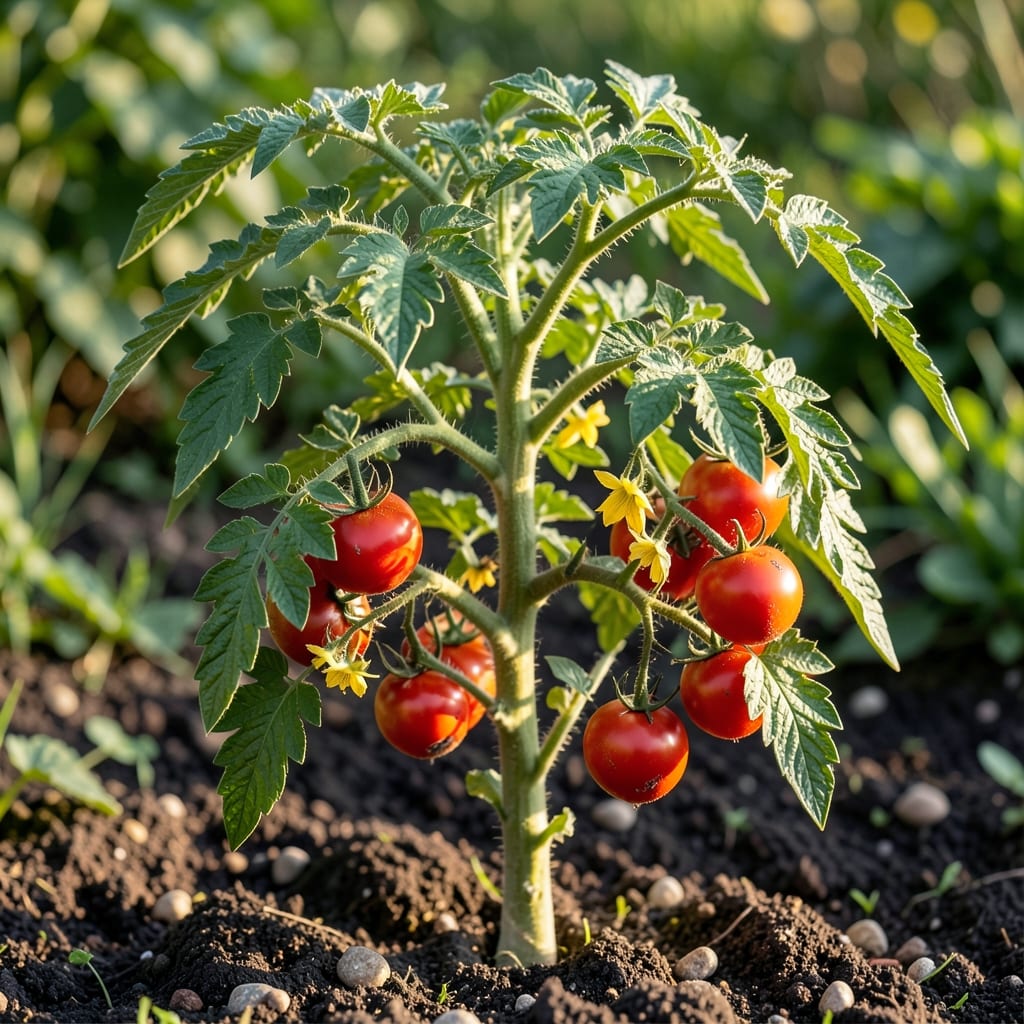
Heirloom tomato leaves tell a story if you know how to read them. Yellow edges often mean hunger, while brown spots usually signal disease creeping in. I’ve learned to catch these warnings early.
Safe handling matters too—always wash your hands after pruning, and never compost diseased foliage. Healthy leaves mean bigger harvests and stronger plants that can weather a few summer storms.
📚 In This Guide
Here’s how I manage these plants while keeping my family and pets protected from potential risks.
Heirloom tomato plants contain solanine and tomatine, primarily concentrated in the leaves and stems. I always start by familiarizing myself with the plant’s structure—dark green, jagged leaves and hairy stems are the key areas to avoid touching unnecessarily. The fruit itself is safe, but the foliage is where the toxins reside.
This knowledge helps me handle the plant more carefully. Even brushing against the leaves can transfer oils to my skin, so I make it a habit to wash my hands after any contact. It’s a small step, but it prevents accidental exposure.
Whenever I prune suckers or remove leaves, I wear long-sleeved shirts and gardening gloves to minimize skin contact. This isn’t just about thorns—it’s about the sap and oils that can irritate skin or cause reactions in sensitive individuals.
After pruning, I immediately place the trimmings in a sealed bag or compost bin far from where kids or pets play. Even dried leaves can retain traces of toxins, so I never leave them lying around the garden or near walkways.
Symptoms of solanine or tomatine poisoning include nausea, vomiting, and dizziness in humans. In pets, you might notice drooling, lethargy, or digestive upset. If I suspect exposure, I remove the person or animal from the area and rinse their mouth or paws with cool water.
For severe reactions—like difficulty breathing or persistent vomiting—I call a doctor or vet immediately. It’s rare, but it’s better to be cautious. I also keep the number for poison control posted in my garden shed, just in case.
I make sure everyone in my home knows not to eat the leaves or stems, even if they look harmless. Kids, especially, might be tempted to nibble on greenery while playing outside. A quick conversation about which parts of the plant are off-limits goes a long way.
For pets, I create a barrier around my tomato plants using chicken wire or a decorative fence to keep curious paws and mouths at a safe distance. It’s a simple solution that prevents most accidental ingestion.
At the end of the season, I pull up the plants and dispose of them in a way that prevents animals from accessing the foliage. I avoid adding tomato leaves to open compost piles where pets might dig. Instead, I use a closed bin or send them to a municipal green waste program.
If I’m composting at home, I bury the leaves deep in the pile and cover them with other yard waste to discourage scavenging. This ensures the toxins break down safely without posing a risk to wildlife or domestic animals.
Small details make a big difference when working with these plants safely.
Visual Identification: In Step 1, note that heirloom tomato leaves are deep green and slightly fuzzy, with a pungent earthy smell when crushed. This distinct aroma helps distinguish them from similar-looking plants. I always crush a leaf between my fingers to confirm before handling.
Safety First: The caution in Step 3 about wearing gloves isn’t just advice—it’s essential. Those alkaloids can cause skin irritation, and I’ve seen mild rashes develop from casual contact. Keep gloves visible near your plants as a reminder.
Disposal Matters: Step 3 warns against burning debris for good reason. The smoke from tomato plant material can be just as problematic as direct contact. I learned this the hard way after a bonfire mishap that left me coughing for hours.
Harvesting Technique: For Step 4, using clean scissors prevents crushing the stems, which can release more sap. Place your harvested tomatoes in a separate container immediately, not on the ground near foliage. This simple habit prevents accidental contamination.
Yes, heirloom tomato leaves contain solanine and tomatine, which can be toxic in large amounts. Avoid eating them raw, but cooking may reduce some toxins. Always wash hands after handling to prevent irritation.
Yes! Heirloom tomato leaves can be composted as they break down safely. Just ensure they’re disease-free to avoid spreading pathogens in your compost pile.
Symptoms may include nausea, vomiting, dizziness, or stomach pain. In severe cases, seek medical help immediately. Keep leaves away from pets and children.
It’s risky. While some cultures use them sparingly in cooked dishes, the toxins can cause harm. Safer alternatives like basil or oregano are better for culinary uses.
Yellowing leaves often signal overwatering, nutrient deficiencies, or pests. Check soil moisture, fertilize if needed, and inspect for bugs to troubleshoot the issue.