
Beautiful Plants For Your Interior
Beautiful Plants For Your Interior
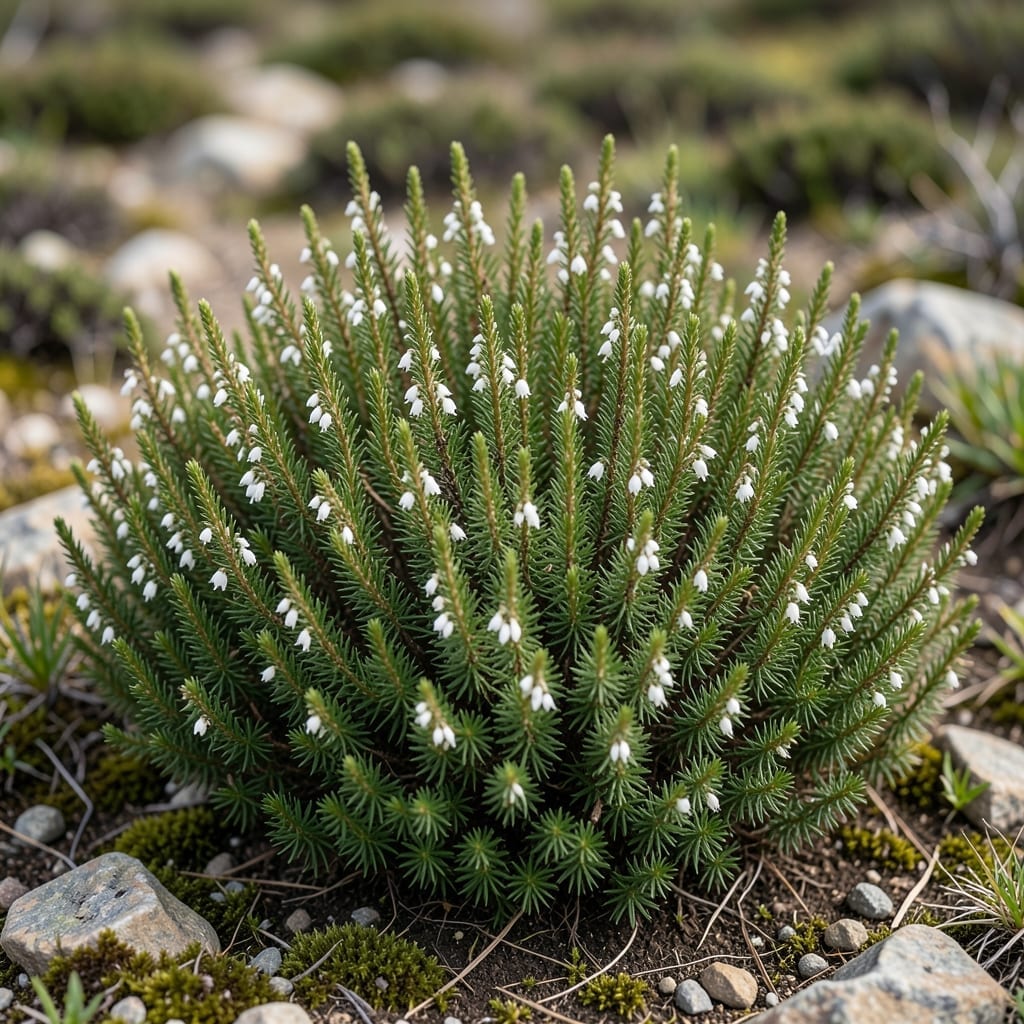
This ground cover transforms rocky, sunny spots into a sea of white blooms. I planted mine three springs ago, and it’s been a zero-maintenance showstopper since day one.
It thrives in poor soil, laughs at drought, and keeps its foliage green year-round. Perfect for slopes, borders, or anywhere you want long-lasting color without the fuss.
📚 In This Guide
This ground cover thrives with minimal effort when you follow these proven planting techniques.
Choose a site with full sun to partial shade, as this variety performs best with at least 6 hours of direct sunlight daily. I always test the area by observing sunlight patterns throughout the day—morning sun with afternoon shade works particularly well in hotter climates.
The soil should be well-draining and acidic to slightly acidic (pH 4.5-6.0). If your soil is heavy clay, amending with compost or pine bark fines improves drainage significantly. Avoid low-lying spots where water pools after rain.
Remove all weeds and grass from a 2-3 foot diameter area per plant, as this ground cover needs space to spread. I use a garden fork to loosen the soil to a depth of 8-10 inches, which encourages deep root establishment.
Incorporate a 2-inch layer of organic matter like peat moss or compost into the top 6 inches of soil. This improves both drainage and moisture retention. Rake the area smooth, creating a slight mound at the center where each plant will go.
Dig holes twice as wide but no deeper than the root ball. For mass planting, space plants 18-24 inches apart—this allows room for their mature 2-3 foot spread while creating a continuous carpet effect.
Place each plant so the top of the root ball sits slightly above soil level to prevent water pooling at the crown. Backfill with native soil, pressing gently to eliminate air pockets. Water deeply after planting until the soil is moist to a depth of 6 inches.
Keep soil consistently moist but not waterlogged for the first 4-6 weeks after planting. I check moisture by inserting my finger 1 inch into the soil—if it feels dry, it’s time to water. Morning watering is ideal as it allows foliage to dry before evening.
Once established, this variety is remarkably drought-tolerant. Reduce watering to once weekly during dry periods, always watering at the base to avoid wetting the foliage. A 2-inch mulch layer of pine bark helps retain moisture and maintain soil acidity.
Prune lightly after flowering to maintain shape and encourage bushier growth. I use sharp bypass pruners to trim back one-third of the current year’s growth, making cuts just above a leaf node. This timing prevents removing next year’s flower buds.
Apply a balanced, acid-forming fertilizer in early spring before new growth begins. Follow package instructions for rates, typically about 1 tablespoon per plant. Avoid high-nitrogen fertilizers as they can reduce flowering and make the plant more susceptible to disease.
Small details make the difference between struggling plants and thriving ground cover.
Sunlight Priority: While this plant tolerates partial shade, I’ve found it truly flourishes with that full 6 hours of direct sunlight daily mentioned in Step 1. In my experience, locations with morning sun and afternoon shade work best in hotter climates, but full sun produces the most vibrant white blooms.
Soil Preparation Insight: The 12-18 inches of loosened soil in Step 2 isn’t just about depth—it’s about creating a welcoming environment for those shallow roots. I learned the hard way that compacted soil beneath this depth can still hinder growth, so take the time to really break up any hardpan layers.
Planting Depth Critical: That ½ inch above the soil line placement in Step 3 is non-negotiable. Between us, I buried one too deep early on, and it suffered from crown rot within weeks. The slight elevation ensures water drains away from the plant’s most vulnerable part.
Watering Wisdom: The 2-3 times per week for the first month in Step 4 might seem like a lot, but heather’s shallow roots need consistent moisture during establishment. After that first month, the once weekly schedule works perfectly—just be religious about letting that top 1 inch of soil dry out between waterings.
Heather Mediterranean White is a drought-tolerant, evergreen ground cover with delicate white flowers. It thrives in full sun and well-drained soil, spreading low to the ground for year-round greenery and seasonal blooms.
Plant in early spring or fall to allow roots to establish before extreme heat or cold. This timing ensures stronger growth and better survival rates in its first year.
Consider creeping thyme, ice plant, or white clover for similar ground cover benefits. These also offer drought resistance and low maintenance but with different textures or flower colors.
Lack of blooms may stem from too much shade, poor soil drainage, or insufficient pruning. Ensure it gets 6+ hours of sun, well-draining soil, and a light trim after flowering to encourage next year’s blooms.
Yellow leaves often signal overwatering or nutrient deficiency. Check soil moisture—let it dry slightly between waterings—and amend with compost if the soil lacks nutrients.