
Beautiful Plants For Your Interior
Beautiful Plants For Your Interior
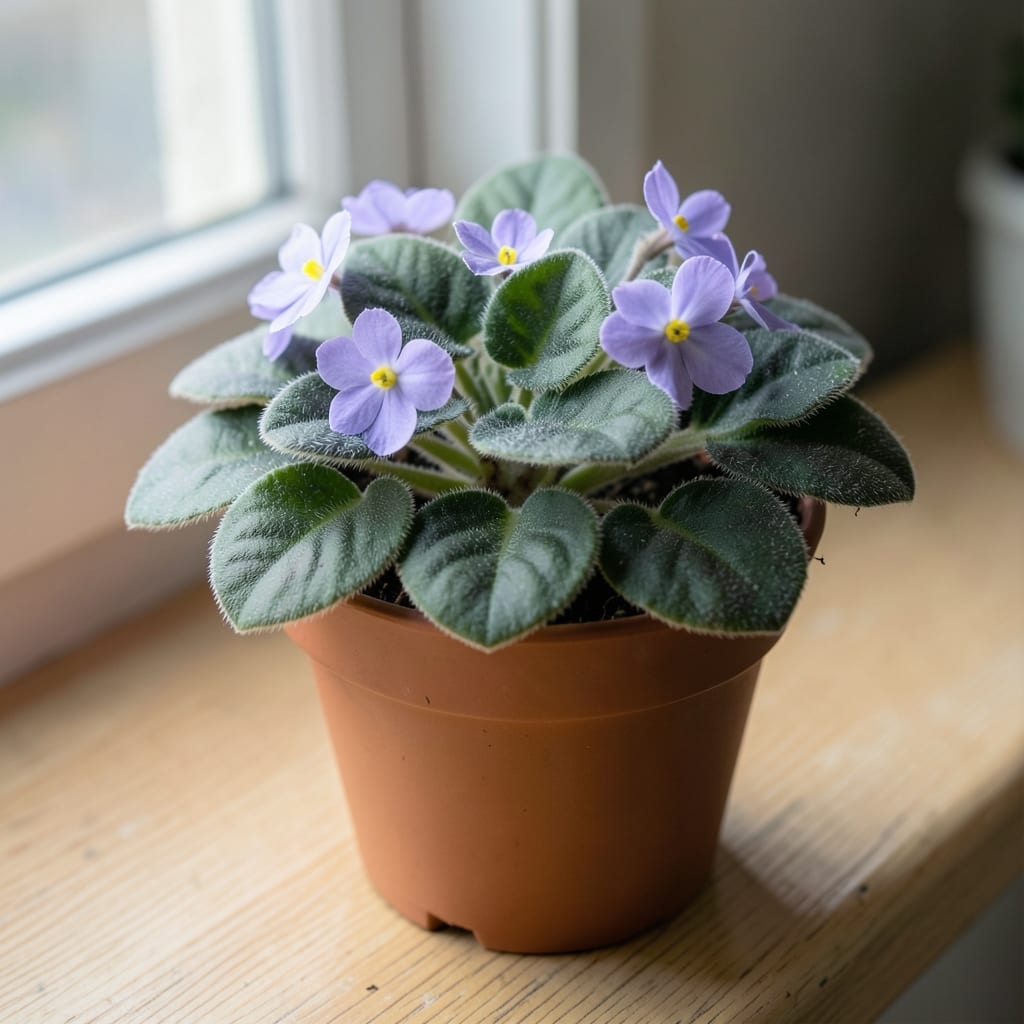
Those weird hairs on your plant leaves aren’t just odd—they’re clues. 🌿 I’ve seen this enough times to know it’s either nature’s design, pests throwing a party, or fungus setting up camp.
We’ll sort through the possibilities fast, so you can fix the problem before it spreads. The solution’s usually simpler than you think, once you know what you’re dealing with.
📚 In This Guide
Here’s how I spot the difference between harmless fuzz and problematic fungal threads in my garden.
Start by looking at where the hair-like growth appears. I check both the upper and lower leaf surfaces with a magnifying glass. Fungal growth often forms in dense, thread-like mats rather than scattered strands, typically on the undersides first.
True fungal threads (hyphae) usually create a webby or cottony appearance, while plant hairs (trichomes) are more uniform and attached at the base. I’ve found fungal growth concentrates along veins or in leaf axils where moisture collects.
Healthy plant hairs are usually clear or white and feel soft to the touch. Fungal growth, however, often appears gray, brown, or black and feels slightly sticky or powdery. I gently brush the surface to test texture.
Real talk: if it wipes off easily with a damp cloth, it’s likely fungal. Plant hairs remain firmly attached. I also look for color changes in the leaf tissue beneath the growth – fungal infections often cause yellowing or browning.
Fungal growth thrives in humid conditions with poor air circulation. I examine the affected plants’ location – are they crowded? In a shaded, damp area? This is the moment that matters: fungal problems almost always indicate an environmental issue in my experience.
I know it seems weird, but I actually smell the leaves. Some fungal growths produce a musty odor, while plant hairs have no scent. Check after watering or rain – fungal growth often appears 24-48 hours after prolonged moisture.
Always have a healthy plant of the same variety nearby for comparison. I place affected leaves next to clean ones under good light. The difference becomes obvious – healthy leaves have uniform hair distribution, while fungal growth creates patchy, irregular patterns.
Here’s the thing – some plants naturally have hairy leaves (like lamb’s ear or African violets). With these, I look for changes in the hair density or color rather than the presence of hairs itself. New, unusual growth patterns are the red flag.
Fungal growth spreads rapidly under the right conditions. I mark affected areas with a twist tie and check daily. True fungal problems will show visible expansion within 3-5 days, while plant hairs remain static.
Don’t skip this (I learned the hard way): take photos each day. The progression becomes undeniable when you can see the growth patterns changing. Fungal threads often develop spore-producing structures that look like tiny dots or puffs within a week.
Took me a while to figure these out, so here goes.
Here’s What I Learned: In Step 1, use a magnifying glass to spot the difference between dense, thread-like mats (fungal) and scattered strands (plant hairs). Fungal growth often starts on the undersides, so don’t skip checking both surfaces. This step is critical for accurate identification.
The Technique That Changed Everything: In Step 2, the wipe test is your best friend. If the growth wipes off easily with a damp cloth, it’s likely fungal. Plant hairs stay firmly attached, so this simple test can save you hours of guesswork.
Environmental Insight: Step 3 reveals that fungal growth appears 24-48 hours after prolonged moisture. If you notice musty odors or see growth in crowded, shaded areas, you’ve likely found your culprit. Poor air circulation is the perfect breeding ground.
Monitoring Strategy: For Step 5, take daily photos of marked areas. Fungal growth will show visible expansion within 3-5 days, while plant hairs remain unchanged. This visual record helps track progression and confirms your diagnosis.
These are often fungal hyphae or trichomes, which can indicate infections like downy mildew or natural plant defenses. Fungal growths thrive in humid conditions, while trichomes help deter pests.
Not always! Some plants naturally have fuzzy leaves (e.g., lamb’s ear). However, if the “hairs” are white/gray and spread rapidly, it’s likely a fungal issue like powdery mildew.
Remove affected leaves, improve airflow, and apply fungicides (copper-based or neem oil). Reduce overhead watering to prevent recurrence.
Yes! Space plants properly, water at the base, and avoid wet foliage. Use preventative fungicides in humid climates.
Dark, fuzzy growths may signal sooty mold (from pests like aphids) or severe fungal infection. Treat underlying pests first, then clean leaves with soapy water.