
Beautiful Plants For Your Interior
Beautiful Plants For Your Interior
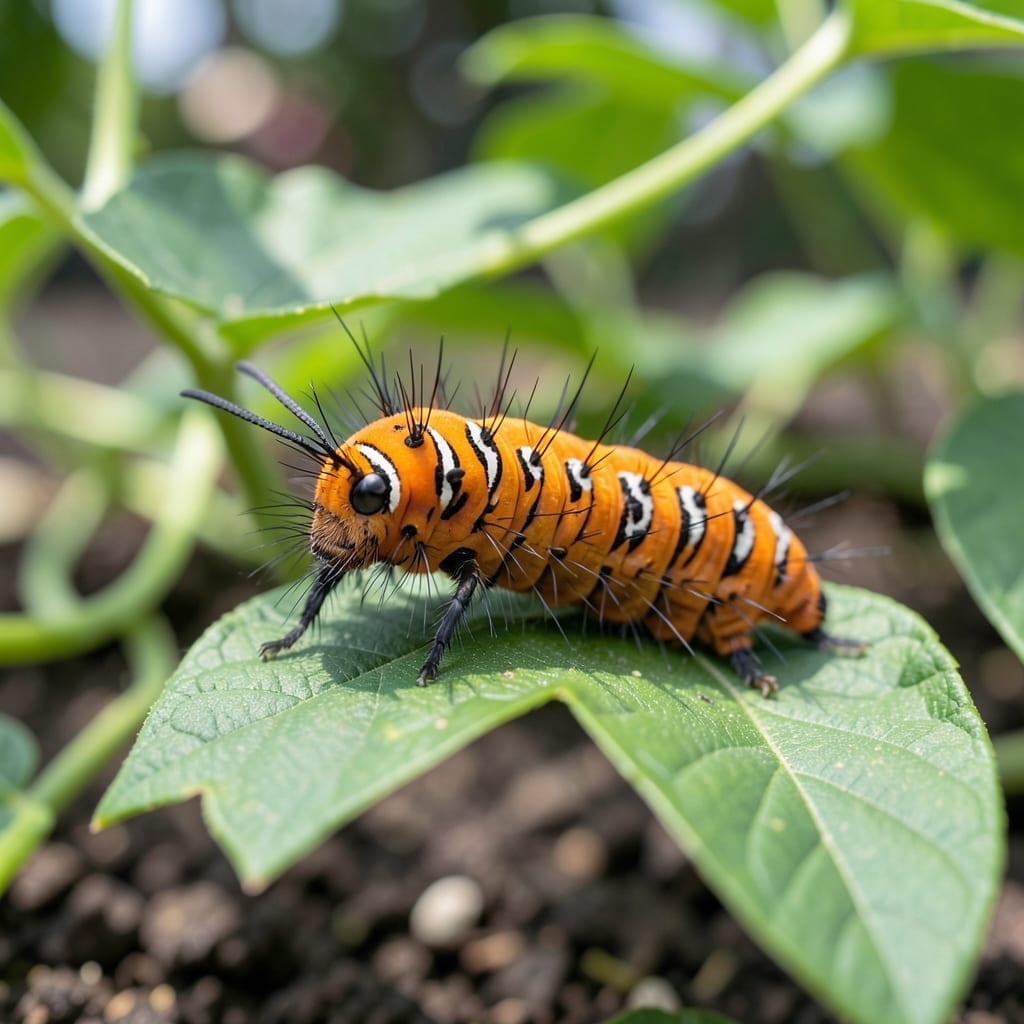
My garden transformed the day I planted passionflower vines. Gulf fritillary butterflies appeared within weeks, their orange wings flashing like living jewels against the green leaves.
These butterflies need specific host plants for their caterpillars to thrive. Passionflower is their favorite, but I’ve learned other native vines work too. The caterpillars are voracious eaters, stripping leaves overnight sometimes.
Watching the lifecycle unfold is magical: eggs on leaves, caterpillars munching, chrysalises hanging like tiny ornaments. Within 3-4 weeks, new butterflies emerge to start the cycle again.
The reward comes when you spot that first caterpillar. It means you’ve created a haven not just for butterflies, but for the whole ecosystem they support.
The Gulf fritillary butterfly caterpillar’s presence and behavior in your garden are often tied to specific ecological and biological factors. Understanding these causes can help you support—or manage—their lifecycle effectively.
The primary driver behind Gulf fritillary caterpillar activity is the presence of their host plants. These caterpillars rely almost exclusively on Passiflora species (passionflowers) for food. When these plants are abundant, female butterflies lay eggs nearby, ensuring their offspring have immediate access to sustenance. Without passionflowers, caterpillars cannot survive, making this the most critical factor in their appearance.
Warm climates, particularly in USDA zones 8-11, create ideal conditions for Gulf fritillary reproduction. These butterflies thrive in temperatures between 70-90°F, which accelerate their lifecycle. In cooler regions, caterpillars may enter diapause (a dormant state) or perish if temperatures drop too low. Seasonal shifts also trigger migration patterns, with adults moving northward in spring and summer.
Caterpillar populations boom when natural predators—such as birds, wasps, or parasitic flies—are scarce. Passionflower plants often evolved alongside Gulf fritillaries, developing defenses like tough leaves or chemical deterrents that also repel predators. If your garden lacks these predators or has ample hiding spots (e.g., dense foliage), caterpillars are more likely to thrive undisturbed.
Consistent water availability supports both host plants and caterpillars. Drought-stressed passionflowers produce fewer leaves, limiting food for larvae. Conversely, well-hydrated gardens with healthy, lush growth attract egg-laying females. Overwatering, however, can promote fungal diseases that harm both plants and caterpillars.
If your Passiflora vines are looking chewed up or your gulf fritillary caterpillars are struggling, here’s how to turn things around. These fixes are simple, effective, and designed to keep your garden thriving.
If caterpillars have stripped your passionflower vines bare, replant quickly with fresh host plants like Passiflora incarnata or Passiflora edulis. To prevent future defoliation, plant extra vines so caterpillars can spread out. Use floating row covers early in the season to protect young plants until they’re established.
Prevention tip: 💡 Interplant with non-host flowers to distract pests and support pollinators.
Birds, wasps, and ants often prey on caterpillars. Create a safe zone by placing bird netting over host plants or setting up decoy caterpillars (like fake rubber ones) to distract predators. Avoid pesticides—they harm caterpillars more than the pests you’re targeting!
Prevention tip: 🌿 Plant nectar-rich flowers nearby to attract adult butterflies and keep the lifecycle going.
Wet, crowded conditions can lead to mold or disease on both plants and caterpillars. Space out your passionflower vines to allow airflow, and water at the base (not overhead) to keep foliage dry. If you spot sickly caterpillars, remove them gently and relocate healthy ones to fresh plants.
Prevention tip: ✨ Prune vines regularly to reduce humidity buildup.
If host plants are scarce, caterpillars may starve. Offer fresh passionflower leaves on a damp paper towel in a shallow container. In a pinch, mist leaves with water to keep them fresh longer. Avoid lettuce or other greens—they won’t sustain them.
Prevention tip: 🎯 Grow extra host plants in pots so you always have a backup supply.
They feed almost exclusively on passionflower vines (Passiflora species). Passiflora incarnata and Passiflora edulis are top choices. Without these, caterpillars won’t survive to become butterflies.
The caterpillar stage typically lasts 10-14 days, depending on temperature and food availability. Warmer weather speeds up their growth, while cooler conditions may extend this period.
Gulf fritillary caterpillars are voracious eaters! A single caterpillar can consume an entire leaf in 24 hours. Plant extra vines to ensure they have enough food.
No, they’re beneficial pollinators in the making! While they may defoliate passionflower vines, this is a natural part of their lifecycle. The plants usually recover quickly.