
Beautiful Plants For Your Interior
Beautiful Plants For Your Interior
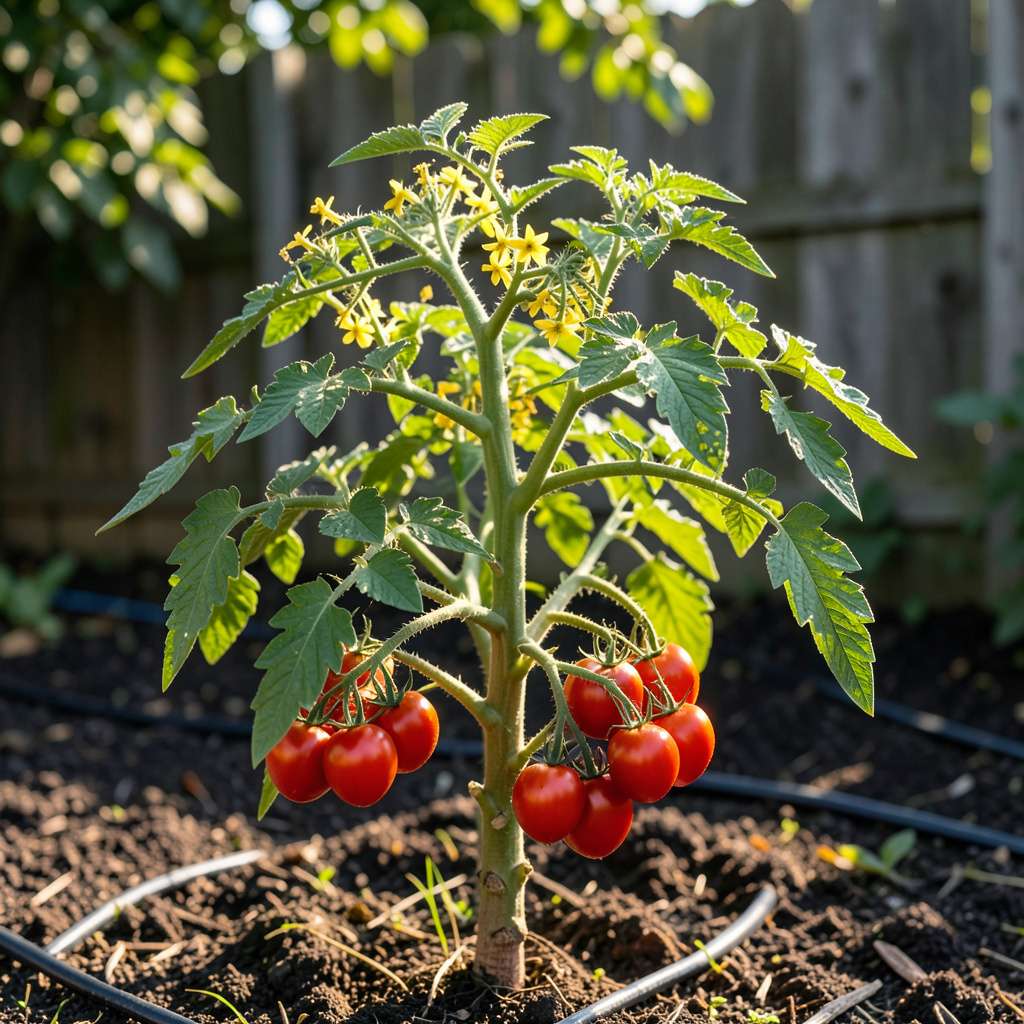
Use sturdy stakes, cages, or trellises to anchor tall plants early in their growth. Tie stems loosely with soft plant ties, and position supports to protect against wind while allowing natural movement.
I’ve learned through years of gardening that prevention is everything when it comes to top-heavy plants. 🌱 The key is installing supports before stems become too thick or heavy—waiting until plants start leaning often means it’s already too late. Different plants need different approaches: vining varieties like pole beans thrive on trellises, while bushy plants like peonies do best with circular cages that cradle their entire structure.
What many gardeners overlook is how wind patterns affect stability. A support system that looks perfect in calm weather might fail during summer storms. I always position stakes at a 45-degree angle into the ground for maximum anchoring, and use stretchy ties that accommodate stem growth without cutting into the plant tissue. ✨
💡 In This Article
Tall plants collapse when their aboveground growth outpaces their root development. Think of it like a skyscraper with insufficient foundation—most plants allocate only 30-40% of their energy to roots while directing the rest to stems and leaves.
When top-heavy blooms or fruit develop, the center of gravity shifts upward, making the plant vulnerable to even gentle breezes. 🌬️ Wind resistance increases exponentially with height, which is why a 6-foot sunflower experiences 8 times more force than a 3-foot plant in the same conditions.
The physics behind plant stability involves two key factors: anchorage strength and stem flexibility. Roots typically spread only 12-18 inches deep for most garden plants, while stems can grow several feet tall. Without support, the leverage effect means a 1-pound tomato cluster can generate 10+ pounds of bending force at the stem base.
Supports work by redistributing this force—stakes act as artificial roots, while cages create a 3D scaffold that shares the load across multiple contact points.
Here’s what happens at the cellular level when plants bend: The outer stem layers stretch while inner tissues compress, damaging the vascular system that transports water and nutrients. A 30-degree lean can reduce water flow by up to 50%, stunting growth.
Proper supports maintain vertical alignment, preserving the plant’s internal “plumbing.” I’ve measured 20% faster growth in staked tomatoes versus unsupported ones because their energy isn’t wasted on stress responses.
Wind doesn’t just push plants over—it creates harmful vibration patterns. Research shows stems exposed to constant 5-10 mph winds develop microscopic tears in their cell walls, similar to metal fatigue. The right support system dampens these vibrations while still allowing natural sway (about 10-15 degrees of movement), which actually strengthens stem tissue.
That’s why rigid supports often fail—plants need controlled flexibility to develop proper structural integrity.
Different support methods address specific instability causes:
The timing of support installation matters more than most realize. I’ve found that inserting stakes when plants reach 1/3 of their mature height prevents root damage while still providing early stabilization.
Waiting until plants show signs of leaning means you’re already playing catch-up—by then, the stem may have developed permanent weak points where it bent repeatedly. 💡
Install supports when plants reach 1/3 of their mature height. This early intervention prevents root damage while providing stabilization before stems become too thick. Waiting until plants lean means you’re already behind—stems may have developed permanent weak points.
Use soft plant tape or stretchy garden twine to secure stems loosely. Avoid wire or rigid materials that can cut into growing tissue. The figure-8 method works best—loop around the stake, then the stem, allowing room for expansion.
Repurpose broom handles, old ladders, or even pvc pipes cut to size. For vining plants, try chicken wire shaped into cones. Just ensure materials are clean and sturdy enough to handle the plant’s weight at maturity.
Drive stakes at least 12 inches deep for stability. For extra-tall plants like sunflowers, go 18-24 inches. Angle stakes 45 degrees away from the plant for maximum anchoring against wind. Use a rubber mallet to avoid splitting wooden stakes.
The most common error is waiting until plants are already falling over. Another mistake is using rigid ties that don’t allow for stem growth. Also, many gardeners underestimate wind force—supports need to accommodate natural sway while preventing excessive movement.
