
Beautiful Plants For Your Interior
Beautiful Plants For Your Interior
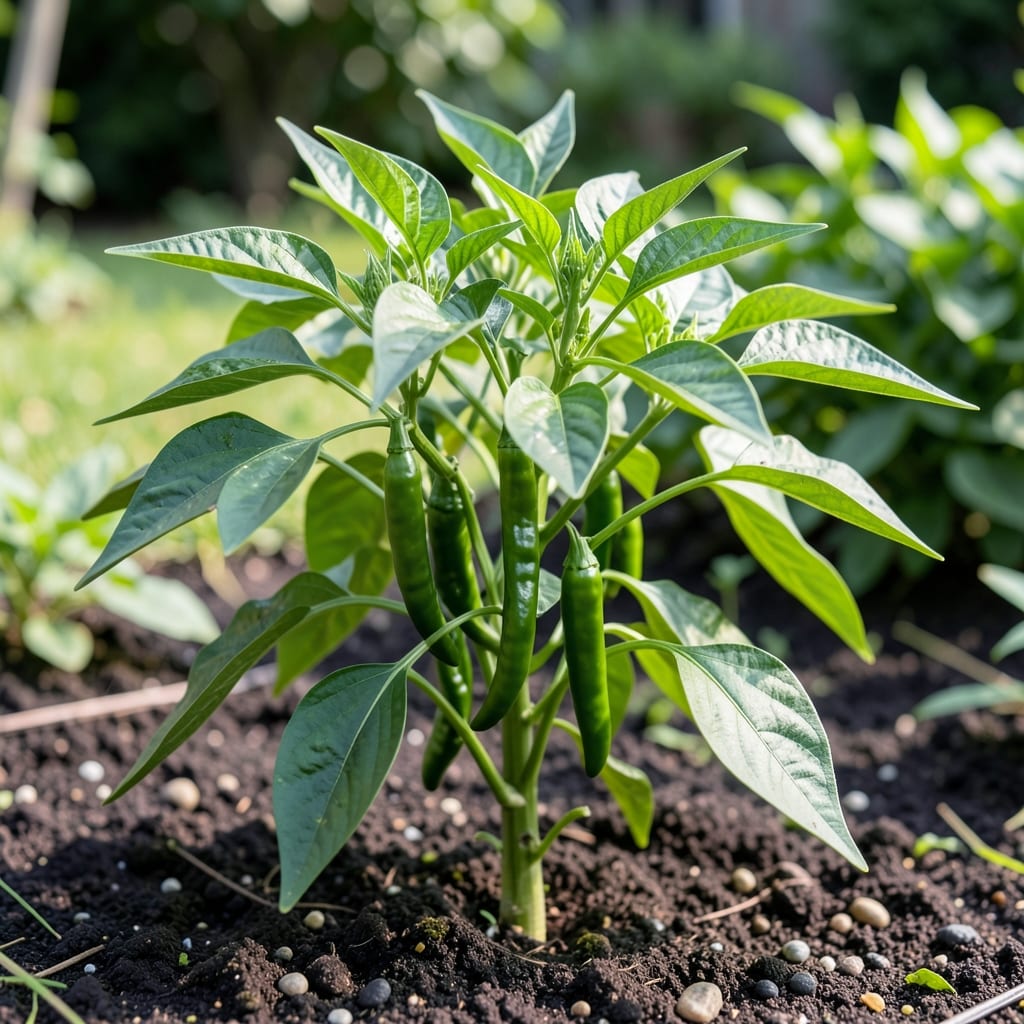
Green chilli leaves tell you everything about your plant’s health. I’ve learned to spot the difference between natural yellowing and trouble signs in 24 hours.
Healthy foliage starts with consistent watering, the right sunlight, and watching for pests. This guide will help you catch issues early and keep your plants thriving all season long.
📚 In This Guide
Healthy foliage begins with consistent care—here’s how I maintain vibrant green chilli leaves all season long.
Check the undersides of leaves weekly for pests like aphids or spider mites, which appear as tiny dots or webbing. I use a 10x magnifying glass to spot them early before they multiply. Yellowing at the leaf edges often signals underwatering, while dark spots may indicate overwatering or fungal issues.
Note the leaf texture too—healthy chilli leaves feel slightly leathery and spring back when gently pinched. If they feel brittle or limp, adjust your care routine immediately. Catching problems at this stage prevents them from spreading to the entire plant.
Water when the top inch of soil feels dry to the touch, typically every 2-3 days in warm weather. I water at the base to avoid wetting the foliage, which can invite fungal diseases. Use room-temperature water to prevent shocking the roots.
Inconsistent moisture causes leaf curl or drop. If the soil stays soggy for more than a day, improve drainage by mixing in perlite or coarse sand. Conversely, if the soil dries out too quickly, add a 1-inch layer of organic mulch to retain moisture without suffocating the roots.
Green chilli plants thrive in full sun (at least 6-8 hours daily). If growing indoors, place them near a south-facing window or under grow lights for 12-14 hours. I rotate pots quarter-turn weekly to ensure even growth and prevent lopsided foliage.
Insufficient light leads to leggy stems and pale, sparse leaves. If you notice the plant stretching toward the light source, it’s a clear sign to increase exposure. Outdoors, use shade cloth during peak afternoon sun in regions with temperatures above 90°F to prevent leaf scorch.
Remove yellow or damaged leaves immediately with clean, sharp scissors to prevent disease spread. I also pinch off the top set of leaves when the plant reaches 12 inches tall to encourage bushier growth. Always prune in the morning when the plant is most hydrated.
Avoid over-pruning—never remove more than one-third of the foliage at once. This stresses the plant and reduces its ability to photosynthesize. After pruning, watch for new growth within 7-10 days, a sign the plant is recovering well.
Use a balanced, water-soluble fertilizer (10-10-10) every 4-6 weeks during the growing season. I dilute it to half-strength to avoid burning the leaves. Yellowing between leaf veins often indicates a nitrogen deficiency, which this regimen prevents.
Over-fertilizing causes leaf tip burn or excessive leafy growth with few chillies. If this happens, flush the soil with water to remove excess salts. Always fertilize in the evening or on cloudy days to minimize the risk of leaf burn from sun exposure.
Consistent care makes all the difference in maintaining vibrant foliage.
The Monitoring Advantage: In Step 1, using that 10x magnifying glass isn’t just for pests—it also helps you spot the earliest signs of nutrient deficiencies before they become visible to the naked eye. Catching these subtle changes early can save your plant from long-term stress.
Watering Wisdom: For Step 2, the 2-3 day watering schedule is a guideline, not a rule. Stick your finger an inch into the soil—if it feels dry, it’s time to water, regardless of the calendar. This tactile check prevents both underwatering and overwatering, which are the most common culprits behind leaf problems.
Light Exposure Insight: Step 3’s 6-8 hours of full sun is non-negotiable for outdoor plants, but indoors, the 12-14 hours under grow lights must be consistent. If you notice your plant leaning toward the light, it’s begging for more exposure—adjust immediately to avoid stunted growth.
Pruning Precision: In Step 4, timing your pruning for the morning isn’t just tradition—it’s science. Plants are most hydrated after a night of rest, so pruning then minimizes stress. Also, that 12-inch height marker is your cue to start shaping for bushier, healthier growth.
Yes! Green chilli leaves are edible and often used in Asian cuisines for their mild, peppery flavor. They’re great in soups, stir-fries, or as a garnish. Just ensure they’re pesticide-free and washed thoroughly before use.
Yellowing leaves often signal overwatering, nutrient deficiency (like nitrogen), or poor drainage. Check soil moisture and adjust watering. A balanced fertilizer can help restore vibrancy if the issue is nutritional.
Water when the top inch of soil feels dry—typically every 2-3 days in hot weather, less in cooler months. Avoid soggy soil to prevent root rot. Consistency is key for healthy foliage!
Try neem oil, garlic spray, or a soap-water solution to deter pests like aphids. These are safe, eco-friendly options that protect leaves without harsh chemicals.
Absolutely! Place them near a sunny window (6+ hours of light daily) or use grow lights. Ensure good airflow and a well-draining pot. Indoor plants may need occasional hand-pollination for fruit set.