
Beautiful Plants For Your Interior
Beautiful Plants For Your Interior
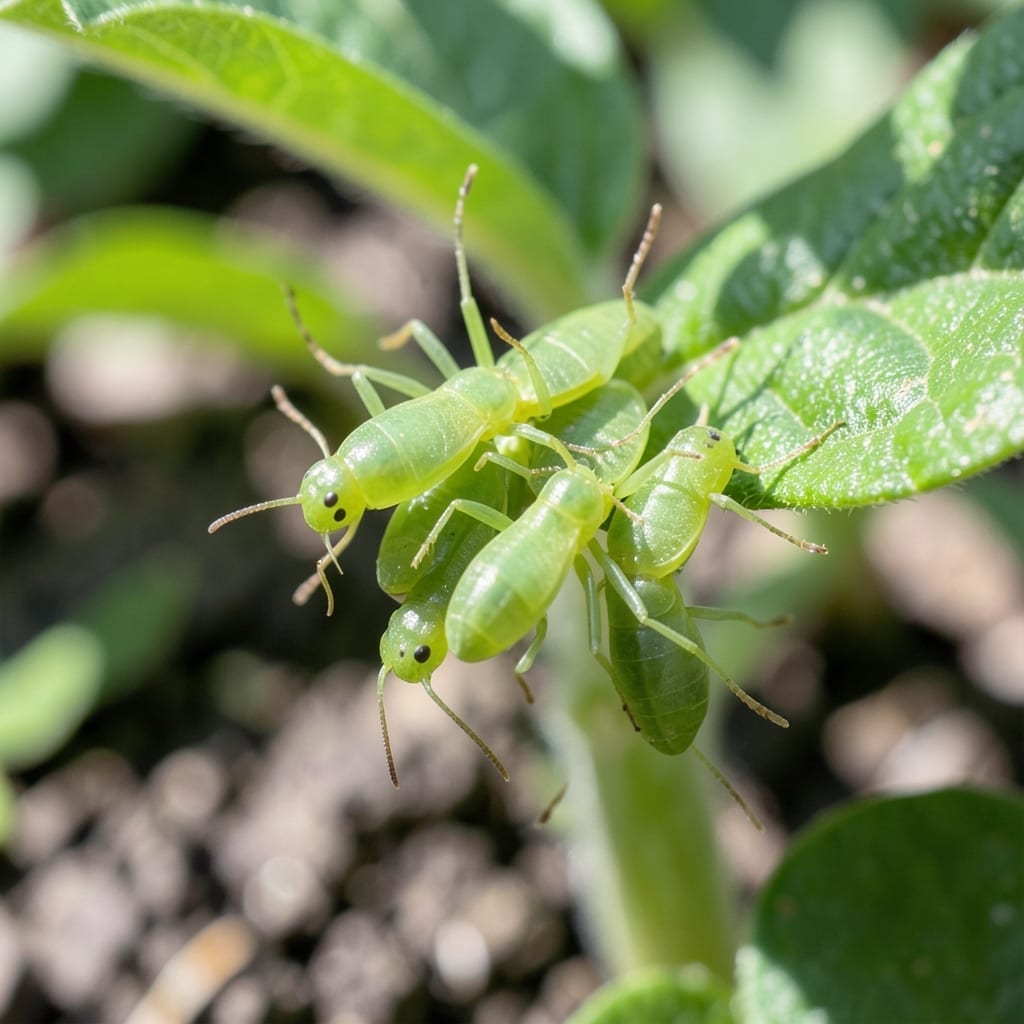
Tiny green invaders can turn thriving plants into their personal buffet. 🌿 I lost an entire basil crop to aphids before learning how to spot and stop them early.
These pests multiply fast, but you don’t need harsh chemicals to win the battle. A strong blast of water, soapy sprays, or beneficial insects can restore balance without harming your plants.
Your foliage will bounce back with vibrant green leaves and strong stems once the infestation is gone. The key is catching them before they spread.
Works for houseplants, garden beds, or containers. Here’s how to reclaim your greenery.
Green bugs on plants are a common issue, often caused by specific environmental or biological factors. Understanding these causes can help you address the problem effectively.
Excess moisture creates the perfect breeding ground for green bugs like aphids. Overwatering or poor drainage leads to soggy soil, which attracts pests seeking damp conditions. Ensure your plants have well-draining soil and avoid waterlogging.
In a balanced ecosystem, natural predators like ladybugs and lacewings keep green bug populations in check. If your garden lacks these beneficial insects, pests can multiply unchecked. Introduce predator insects or plant companion species to restore balance.
Plants with weak or imbalanced nutrition are more susceptible to infestations. Over-fertilizing with nitrogen, for example, can produce soft, succulent growth that green bugs like aphids find irresistible. Use a balanced fertilizer and monitor plant health.
Stagnant air traps moisture and creates a humid environment, which green bugs thrive in. Prune dense foliage and space plants properly to improve airflow and reduce pest-friendly conditions.
Dealing with green bugs on your plants? Here’s how to tackle each common cause with simple, effective solutions.
Blast them off with a strong spray of water from a hose, focusing on the undersides of leaves where they hide. For stubborn cases, apply insecticidal soap or neem oil (mix 1 tsp per liter of water) every 5–7 days until they’re gone. Prevention: Encourage natural predators like ladybugs or lacewings by planting dill, fennel, or marigolds nearby.
Let the soil dry out between waterings and ensure pots have drainage holes. Repot plants in well-draining soil if roots are soggy. Prevention: Use a moisture meter to avoid overwatering, and opt for terracotta pots to wick away excess water.
Strengthen plants with a balanced organic fertilizer (like fish emulsion) to boost resistance. Remove heavily infested leaves to stop the spread. Prevention: Keep plants healthy with regular pruning and proper sunlight exposure.
Improve circulation by spacing plants apart and trimming dense foliage. Use a small fan on low setting for indoor plants. Prevention: Avoid crowding plants and clean leaves regularly to deter pests.
💡 Pro Tip: Inspect plants weekly for early signs of bugs—catch them early, and solutions are easier!
They’re often tiny, pear-shaped, and soft-bodied, usually clustering on new growth or leaf undersides. Aphids, the most common type, can be pale green, yellow, or even black, but most garden varieties appear bright green.
They reproduce rapidly and can reinfest from nearby plants or hitchhike on clothing/tools. Without addressing root causes like overwatering or poor airflow, they’ll return. Consistent monitoring and prevention are key.
Yes, they damage plants by sucking sap, causing yellowing leaves and stunted growth. Some, like aphids, also spread viruses. Even hardy plants suffer if the infestation is severe or left untreated.