
Beautiful Plants For Your Interior
Beautiful Plants For Your Interior
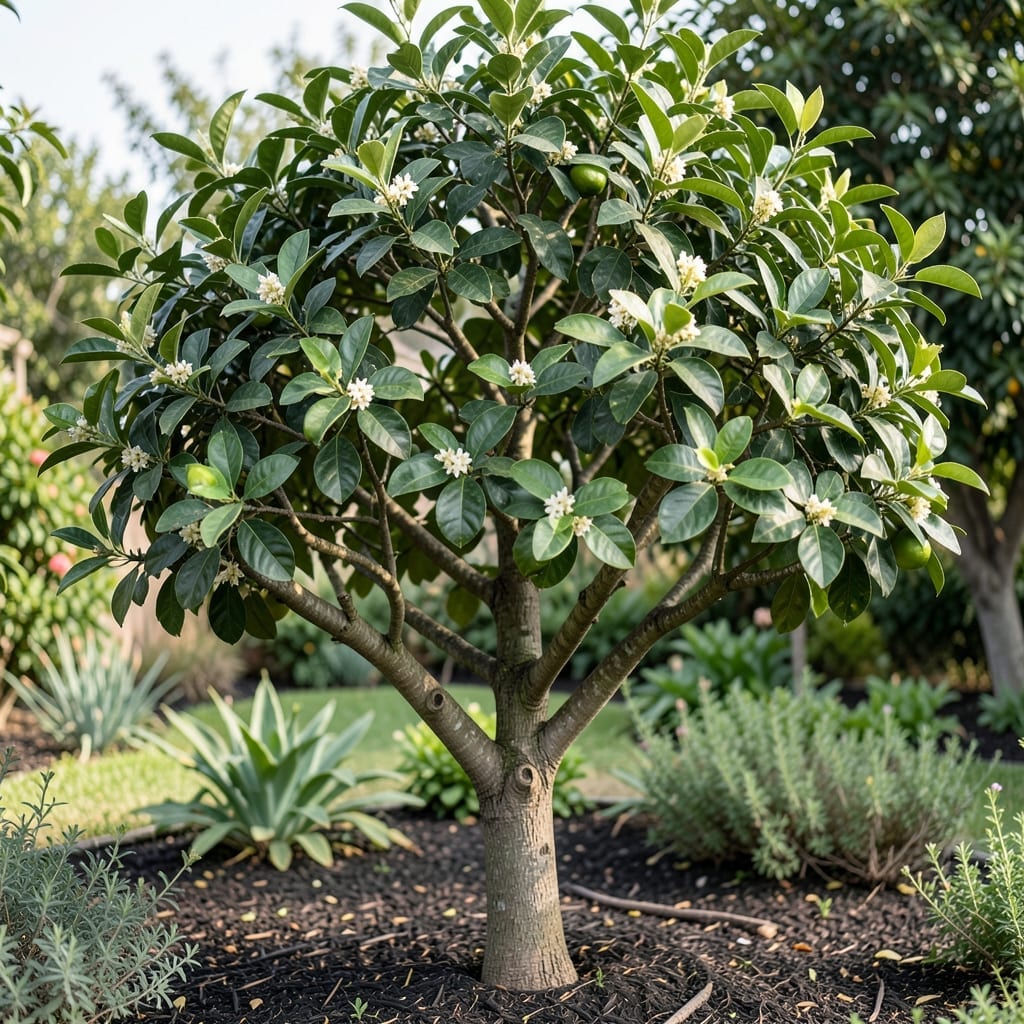
Watching your grapefruit plant’s leaves turn yellow hits different. I’ve been there, staring at sad foliage wondering what went wrong with my citrus.
Most times it’s not disease—just water, light, or soil playing hard to get. Too much love (or neglect) shows up first in the leaves. The fix often starts with checking your watering schedule and drainage.
Once you spot the pattern, revival is simpler than you think. I brought my plant back from near-death in 3 weeks with consistent care and the right nutrients.
We’ll get those leaves green again and keep your grapefruit thriving for seasons to come.
Grapefruit plant leaves often turn yellow due to a variety of environmental, nutritional, or care-related factors. Below are the most common causes, broken down for clarity and actionability.
Yellowing leaves, or chlorosis, frequently signal a lack of essential nutrients. Nitrogen deficiency typically causes uniform yellowing of older leaves, while magnesium deficiency appears as yellow patches between leaf veins. Iron deficiency, common in alkaline soils, leads to yellowing of younger leaves with green veins. A balanced citrus fertilizer (e.g., 8-8-8 or 10-10-10) can correct these issues. For iron, chelated iron foliar sprays are highly effective.
Root rot from excessive moisture is a leading cause of yellowing leaves. Grapefruit plants thrive in well-draining soil, and waterlogged roots suffocate, preventing nutrient uptake. Signs include wilting, soft stems, and a foul odor from the soil. To fix this, reduce watering frequency, ensure pots have drainage holes, and consider repotting in a sandy, loamy mix. Let the top 1-2 inches of soil dry out between waterings.
Grapefruit plants are sensitive to temperature fluctuations and light conditions. Leaves may yellow if exposed to cold drafts (below 50°F) or sudden temperature drops. Similarly, insufficient sunlight (less than 6-8 hours daily) weakens the plant, leading to chlorosis. Move potted plants indoors during cold snaps and ensure they receive ample bright, indirect light. Acclimate plants gradually to new environments to avoid shock.
Sap-sucking pests like aphids, spider mites, and scale insects drain nutrients from leaves, causing yellowing and curling. Inspect the undersides of leaves for tiny insects or webbing. Treat infestations with neem oil or insecticidal soap, applying weekly until pests are eradicated. Prune heavily infested leaves to prevent spread.
When your grapefruit plant’s leaves start to yellow, quick action can bring it back to health. Below are targeted fixes for common issues, paired with prevention tips to keep your plant thriving.
If pale or yellow leaves appear, your plant may lack nitrogen, magnesium, or iron. Use a citrus-specific fertilizer with balanced micronutrients. Apply every 4–6 weeks during growing season. Prevention tip: Test soil annually to catch deficiencies early. 💡
Soggy soil leads to root rot and yellowing. Let the top 1–2 inches of soil dry before watering again. Ensure pots have drainage holes, and empty saucers after watering. Prevention tip: Use a moisture meter to avoid guesswork. 🌡️
Too much direct sun can scorch leaves, while too little causes weakness. Place potted plants where they get 6–8 hours of bright, indirect light daily. For outdoor plants, provide afternoon shade in extreme heat. Prevention tip: Rotate potted plants weekly for even exposure. ✨
Spider mites or aphids sap plant vitality. Spray leaves with neem oil or insecticidal soap, focusing on undersides. Repeat every 5–7 days until pests vanish. Prevention tip: Inspect leaves weekly and keep the area around plants debris-free. 🎯
Sudden cold or heat can stress the plant. Keep grapefruit plants in 65–85°F (18–29°C) ranges. Move potted plants indoors during cold snaps. Prevention tip: Avoid placing plants near drafts or heaters. 🌡️
This pattern often signals an iron deficiency, common in alkaline soils. Use a chelated iron foliar spray for quick absorption. Test your soil pH and aim for 6.0-7.0 for optimal nutrient uptake.
Water when the top 1-2 inches of soil feel dry. Typically, this means every 5-7 days in warm weather. Always empty the saucer to prevent root rot.
Citrus plants need more micronutrients like zinc and manganese. Regular fertilizers may lack these. For best results, use a citrus-formulated product every 4-6 weeks during growing season.
Start with neem oil or insecticidal soap, applying weekly. Focus on leaf undersides where pests hide. For severe cases, prune affected leaves to prevent spread.