
Beautiful Plants For Your Interior
Beautiful Plants For Your Interior
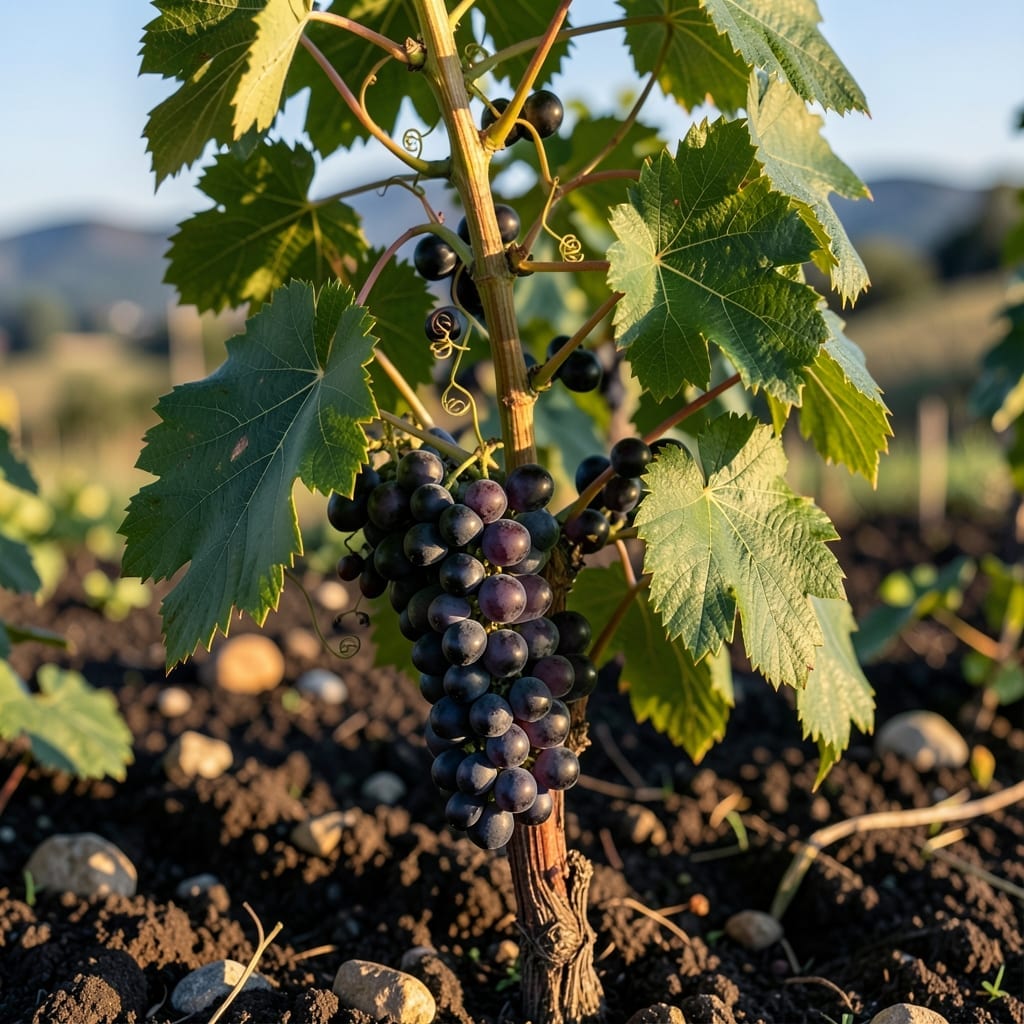
I’ve grown grapevines for years, and the difference between struggling plants and thriving ones comes down to a few key habits. Proper spacing, consistent watering, and timely pruning set the stage for lush, productive growth.
You’ll harvest an abundance of leaves for cooking or decor, with vines that stay healthy season after season. The secret is matching the variety to your climate and giving them room to climb. Start simple, and you’ll be rewarded.
📚 In This Guide
Here’s the method I rely on for establishing vigorous vines that produce lush foliage year after year.
Choose a cultivar known for abundant leaf production rather than fruit focus. I recommend Vitis vinifera varieties like ‘Thompson Seedless’ or ‘Flame Seedless’ for consistent foliage. Check your USDA hardiness zone—most grapevines thrive in zones 5-9 with proper winter protection in colder areas.
Visit a local nursery to observe leaf size and health on established vines. You’ll notice the best specimens have large, deep green leaves with prominent veins. Avoid varieties bred specifically for fruit production as they often sacrifice leaf quality for berry development.
Select a site with full sun (at least 6-8 hours daily) and soil that drains well. I prepare the planting area by digging a hole twice as wide as the root ball but no deeper. This encourages lateral root growth for better stability.
Install a sturdy trellis or arbor at planting time to avoid disturbing roots later. Space posts 6-8 feet apart for most varieties. You’ll see immediate benefits as vines can climb naturally from the start, which prevents tangled growth and promotes air circulation through the leaves.
Water deeply once or twice weekly rather than daily light watering. This encourages deep root development, which is crucial for drought tolerance. I use a soaker hose to deliver water directly to the soil without wetting the leaves, which prevents fungal issues.
Check soil moisture by inserting your finger 2-3 inches deep—water when the top layer feels dry but the lower soil remains slightly moist. You’ll develop an instinct for this within a few weeks. Overwatering shows as yellowing leaves, while underwatering causes leaf edges to brown and crisp.
Prune during late winter while the vine is still dormant. I remove 70-90% of the previous year’s growth, leaving 2-4 buds per cane for new shoot development. This seems severe but produces the most vigorous leaf growth.
Focus on removing old, unproductive wood first, then thin out crowded areas to improve light penetration. You’ll see the difference in leaf size and quantity by mid-summer. Always sterilize pruners between cuts with rubbing alcohol to prevent disease transmission between vines.
Apply a balanced 10-10-10 fertilizer in early spring as new growth begins. I supplement with compost tea every 4-6 weeks during the growing season for micronutrients. Leaf color is your best indicator—deep green shows proper nutrition, while pale leaves suggest nitrogen deficiency.
Inspect leaves weekly for signs of pests like aphids or spider mites. You’ll spot their damage as stippling or webbing on leaf undersides. A strong blast of water often dislodges soft-bodied pests, while neem oil treats more persistent infestations without harming beneficial insects.
These practical insights will help you cultivate thriving vines with minimal effort.
Climate Selection: For zones 5-9, ‘Thompson Seedless’ and ‘Flame Seedless’ varieties excel in leaf production. I’ve found that visiting local nurseries to observe established vines gives you the clearest picture of what works in your specific microclimate. Avoid fruit-focused cultivars as they often compromise leaf quality for berry development.
Planting Precision: The 6-8 hour daily sun requirement isn’t negotiable for lush foliage. Digging that hole twice as wide as the root ball encourages the lateral root spread that anchors vines securely. I learned the hard way that skimping on trellis sturdiness leads to tangled growth that stunts leaf production.
Watering Wisdom: Deep watering once or twice weekly beats daily light watering every time for drought-resistant roots. That 2-3 inch soil check is your best defense against both overwatering (yellow leaves) and underwatering (brown crisp edges). A soaker hose delivers water precisely where it’s needed without promoting fungal issues.
Pruning Protocol: Removing 70-90% of last year’s growth feels drastic but produces the most vigorous new shoots. Leaving 2-4 buds per cane gives the vine clear direction for new growth. Always sterilize pruners between cuts – I use rubbing alcohol – to prevent disease spread that can devastate your vineyard.
Start with healthy, disease-free cuttings (about 12 inches long) from dormant vines. Dip the cut end in rooting hormone, plant in well-draining soil, and keep moist. Roots typically form in 4-8 weeks with warmth and indirect light.
Late winter or early spring (before buds swell) is ideal. This gives roots time to establish before summer heat. Avoid planting in extreme cold or drought conditions for best results.
Watch for powdery mildew (white spots), downy mildew (yellow patches), or black rot (dark lesions). Improve airflow, remove infected leaves, and use fungicides if needed. Prevention is key!
Yes, but younger, tender leaves (from pruned shoots) are best for dishes like dolmas. Avoid leaves treated with pesticides. Older leaves may be tough or bitter—test a few first!