
Beautiful Plants For Your Interior
Beautiful Plants For Your Interior
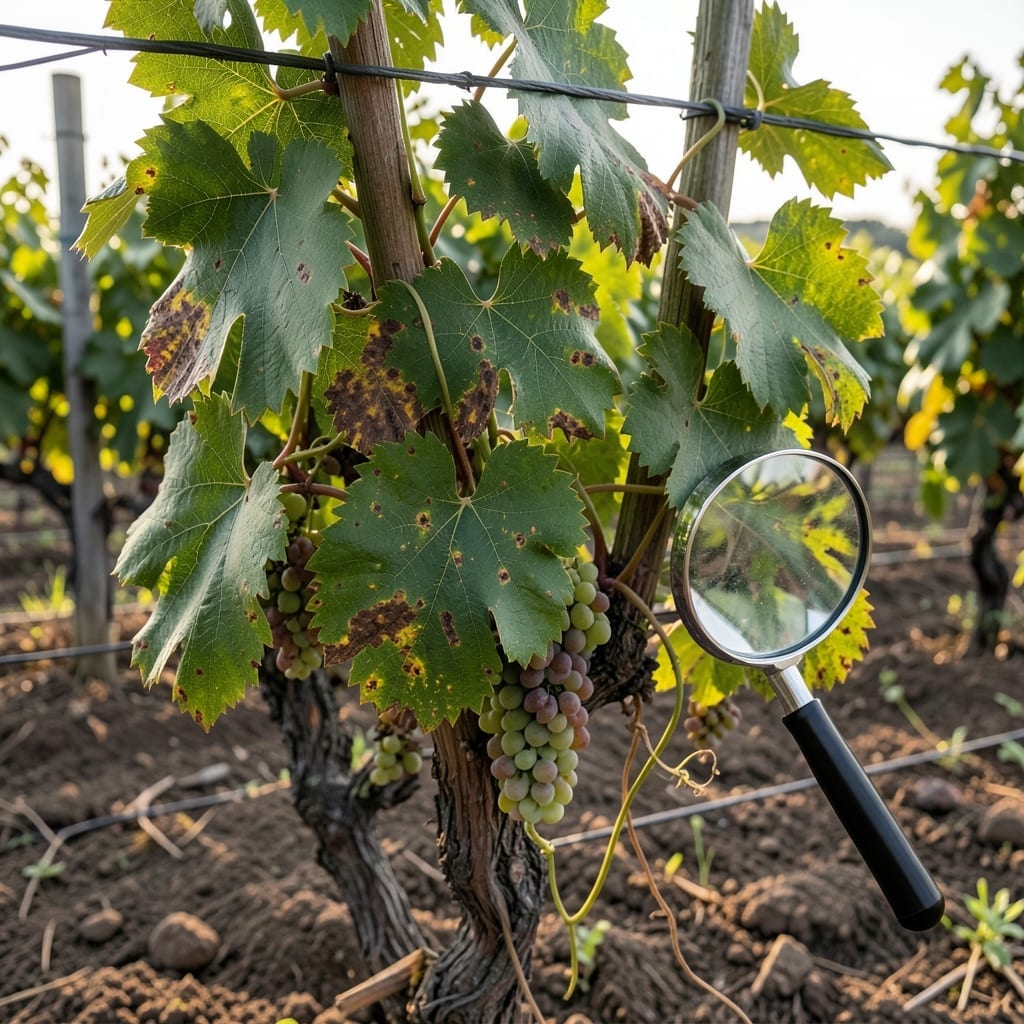
Spotting yellow patches on your grape leaves means trouble. 🌿 I’ve battled this fungus for years and learned it spreads fast in wet conditions, turning healthy vines into struggling plants overnight.
Early signs include brown spots with yellow halos that grow together, eventually killing entire leaves. Left unchecked, it reduces fruit quality and yield by 30-50% in a single season.
The good news? Organic treatments work if you catch it early. Copper sprays and baking soda solutions stop the spread without harsh chemicals. Prevention is even simpler: improve air circulation and avoid overhead watering.
Healthy vines resist infection better. With the right approach, you’ll keep your grapes productive and your leaves vibrant green all season long.
Grape leaf fungus, often caused by pathogens like Plasmopara viticola (downy mildew) or Erysiphe necator (powdery mildew), thrives under specific environmental and cultural conditions. Understanding these triggers helps prevent outbreaks and protect vine health.
Fungal spores require prolonged leaf wetness (6+ hours) to germinate. High humidity, frequent rain, or overhead irrigation create ideal conditions. Poor airflow in dense canopies traps moisture, accelerating spore spread. Action: Improve ventilation by pruning excess foliage and spacing vines properly.
Most grape leaf fungi proliferate between 60–80°F (15–27°C). Cool nights with dew followed by warm days (common in spring/fall) are especially risky. Action: Monitor forecasts and apply preventative organic fungicides (e.g., copper or sulfur) during susceptible periods.
Wetting leaves during irrigation spreads spores, while dirty pruners or harvest tools transfer pathogens between plants. Action: Use drip irrigation to keep foliage dry, and sterilize tools with 10% bleach or 70% alcohol between uses.
Nutrient deficiencies (e.g., low potassium) or drought stress weaken vines, making them more vulnerable. Action: Maintain balanced soil fertility and consistent watering to bolster natural defenses.
Tackling grape leaf fungus starts with identifying the cause and applying the right fix. Here’s a practical guide to restore your vines’ health:
Overcrowded vines trap moisture, creating a breeding ground for fungus. Fix: Thin out excess foliage and space plants at least 3–4 feet apart. Prune regularly to improve airflow, especially in dense canopies. Prevention tip: 💡 Train vines on trellises to keep leaves elevated and dry.
Overhead watering or soggy soil invites fungal growth. Fix: Switch to drip irrigation to target roots, not leaves. Water in the early morning so foliage dries quickly. Prevention tip: 🌡️ Use mulch to retain soil moisture without waterlogging.
Infected leaves spread spores rapidly. Fix: Handpick and destroy (do not compost!) infected leaves immediately. Apply organic fungicides like copper sprays or neem oil to remaining foliage. Prevention tip: ✨ Rotate crops and avoid planting grapes in the same spot yearly to break the fungus cycle.
Stressed vines are more susceptible. Fix: Strengthen plants with balanced organic fertilizer (e.g., compost tea) and ensure they get 6–8 hours of sunlight daily. Prevention tip: 🎯 Keep vines healthy with regular soil tests to address nutrient deficiencies.
Consistency is key—combine these fixes with vigilant monitoring to keep your grapevines fungus-free and thriving.
Look for small brown spots with yellow halos on leaves. These grow together, eventually killing entire leaves if untreated.
Yes, but try organic options like copper sprays first. If needed, systemic fungicides work but follow label instructions carefully for safety.
Check leaves weekly during wet seasons. Early detection is key—remove infected leaves immediately to prevent spread.
No, damaged leaves won’t heal. Treatment stops the spread to healthy foliage, so remove infected leaves promptly.