
Beautiful Plants For Your Interior
Beautiful Plants For Your Interior
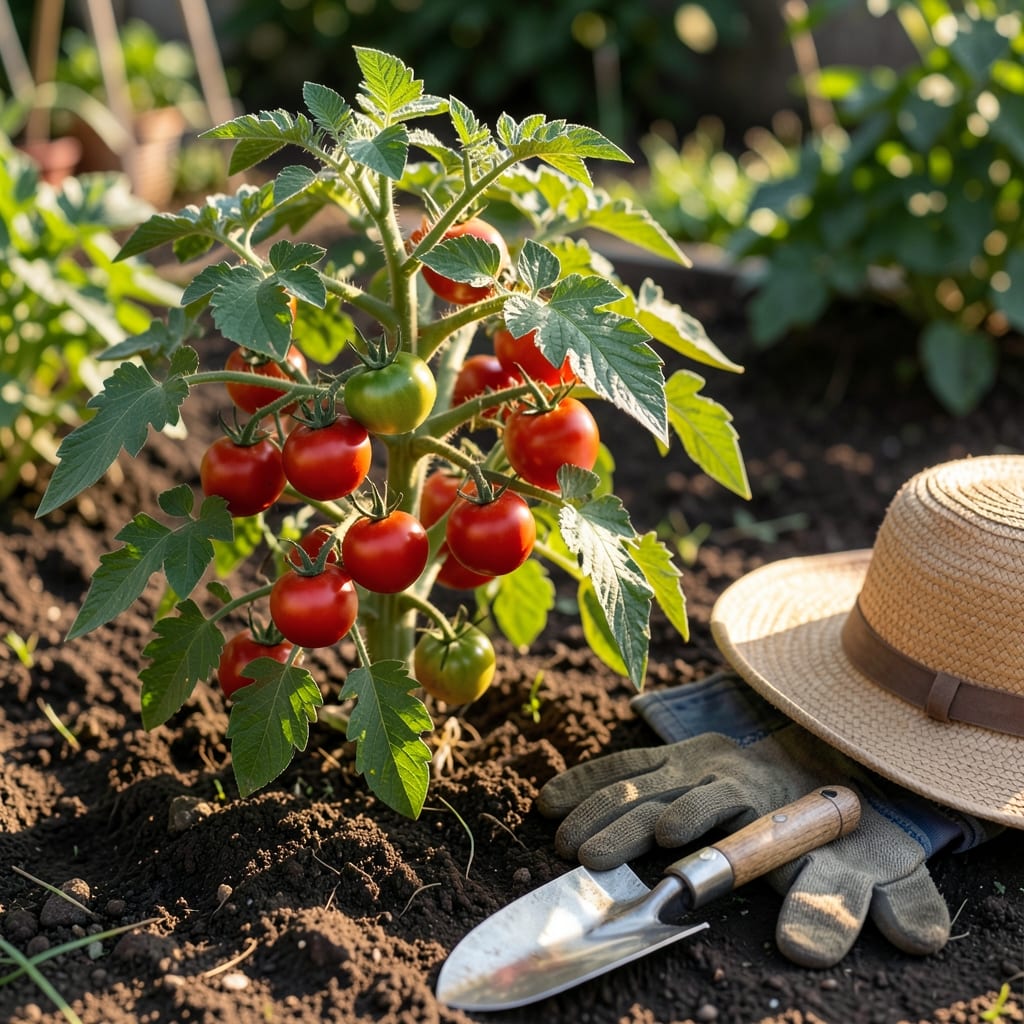
My grandpa’s advice saved my garden more times than I can count. Simple, no-nonsense tricks that turn struggling plants into thriving ones.
He taught me that timing, soil prep, and a little patience outshine any fancy tool. These are the lessons that stick, season after season.
📚 In This Guide
These are the simple, reliable methods that have worked across generations.
Start by turning the soil with a spade or trowel to a depth of 12 inches. This isn’t just about breaking up the dirt—it’s about letting air reach the roots and giving water a place to go. I always do this in early spring when the soil is still cool but no longer frozen.
As you work, remove any rocks, weeds, or old plant debris. These can harbor pests or diseases that will trouble your plants later. The soil should feel loose and crumbly in your hands, not packed down or sticky.
If your soil is heavy clay or very sandy, mix in 2-3 inches of organic matter like compost or well-rotted manure. This improves drainage in clay and water retention in sand. You’ll notice the difference immediately in how the soil behaves.
Timing is everything in the garden. Cool-season crops like lettuce and peas go in early, as soon as the soil can be worked. Warm-season plants like tomatoes and peppers need to wait until all danger of frost has passed and soil temperatures reach at least 60°F.
I use the old rule of thumb: if you can sit comfortably on the soil with your bare bottom, it’s warm enough for warm-season plants. For seeds, plant them at a depth about twice their diameter. For transplants, set them at the same depth they were in their container.
Always water newly planted seeds or starts gently but thoroughly. You want the soil moist but not soggy. A good soaking helps settle the soil around the roots and eliminates air pockets.
Most garden problems come from improper watering. Instead of light, frequent watering that encourages shallow roots, give your plants a deep drink once or twice a week. This forces roots to grow deep in search of moisture, making plants more drought-resistant.
Water in the early morning when possible. This gives plants time to dry off during the day, reducing the risk of fungal diseases. Use a soaker hose or water at the base of plants to keep leaves dry. You’ll know you’re watering correctly when the soil is moist 6 inches down.
During hot, dry spells, you might need to water more often. Check the soil by sticking your finger in—if the top 1-2 inches are dry, it’s time to water again. Mulching with 2-3 inches of organic material helps retain moisture and keeps soil temperatures steady.
Grandpa didn’t have fancy synthetic fertilizers, and neither do you need them. A 1-inch layer of compost spread around plants once a month provides all the nutrients most vegetables need. I also like to use compost tea or fish emulsion for a quick boost when plants look a little peaked.
For heavy feeders like tomatoes and squash, I work a handful of compost into the planting hole before setting in the transplant. Then I side-dress with more compost every 3-4 weeks throughout the growing season. This steady supply of nutrients keeps plants productive.
Watch your plants for signs they need feeding: yellowing leaves, slow growth, or weak stems. But remember, it’s possible to over-fertilize. If your plants are growing well with dark green leaves, they’re probably getting all they need.
These practical insights will help you avoid common pitfalls and get the most from your efforts.
Soil Testing Technique: In Step 1, when testing soil moisture, squeeze a handful—it should hold shape briefly then crumble. If it stays in a tight ball, it’s too wet to work. If it falls apart immediately, it’s too dry. This simple test prevents the compaction that ruins soil structure.
Light Observation Hack: For Step 2, spend a full sunny day watching how light moves across your garden. That sunniest spot at noon might be deep shade by 3 PM. I learned this the hard way when my sun-loving tomatoes struggled in what I thought was full sun.
Watering Wisdom: The 1-inch soil check in Step 3 works best when you use your index finger. Push it straight down to the second knuckle—that’s about 1 inch deep. Morning watering is crucial; evening watering can promote fungal diseases.
Mulching Method: When applying the 2-3 inch mulch layer in Step 4, keep it 2-3 inches away from plant stems. I use my hand as a guide—mulch should never touch the base of the plant. Refreshing every 4-6 weeks keeps weeds at bay without smothering your plants.
Water deeply 1-2 times a week, depending on soil dryness. Grandpa’s rule: stick your finger 1 inch into the soil—if it’s dry, it’s time to water!
Early morning or late afternoon is ideal. This reduces evaporation and stress on plants, just like Grandpa always said!
Absolutely! Grandpa swore by compost, banana peels, and coffee grounds for nutrient-rich soil.
Overwatering or nutrient deficiencies are common culprits. Check drainage and soil quality—Grandpa’s tip: less is often more!
Try companion planting (like marigolds) or a DIY spray of soap and water. Grandpa’s go-to: neem oil for a gentle fix!