
Beautiful Plants For Your Interior
Beautiful Plants For Your Interior
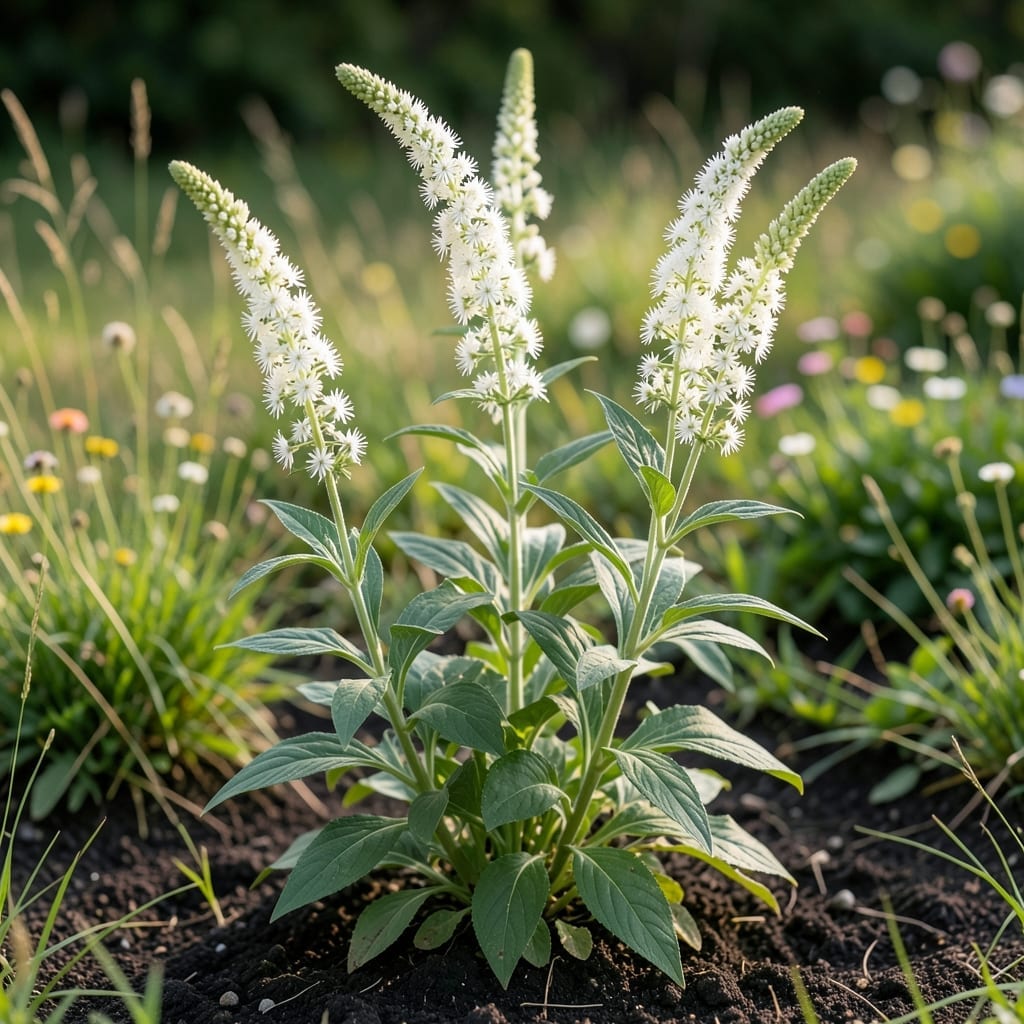
I first planted gooseneck loosestrife for its elegant white spikes and arching stems. It transformed my shaded border with its graceful, cascading form.
But here’s the thing—it thrives in moist soil and partial shade with little care, spreading 2-3 feet wide. That same vigor can become invasive without boundaries, so I’ve learned to contain it strategically.
📚 In This Guide
Use this methodical approach to spot the invasive plant early and remove it before it spreads.
Gooseneck loosestrife white, or Lysimachia clethroides, forms dense mats of arching stems with pairs of lance-shaped leaves. The white flower spikes appear in mid to late summer and can reach 2-3 feet in height. Look for the distinctive zigzag growth pattern along the stems, which gives the plant its common name.
Confirm identification by checking the leaf arrangement—leaves grow opposite each other along the stem, and the edges are finely serrated. The plant thrives in moist to wet soil, often found near streams, ponds, or in poorly drained garden areas. Misidentification is common with native loosestrifes, but the invasive variety has a far more aggressive growth habit.
Walk the area carefully to determine how far the plant has spread. Gooseneck loosestrife white spreads via rhizomes and stolons, so even small patches can indicate a much larger underground network. Mark the boundaries with flags or spray paint to visualize the full extent.
Note whether the infestation is isolated or has encroached into native plant communities. I’ve found that early intervention works best when the patch is under 10 square feet. Larger areas may require a multi-year strategy. Pay special attention to shaded, damp zones where this plant often hides among other vegetation.
For small infestations, hand-pulling can be effective, especially after a rain when the soil is loose. Grasp the base of the stem near the soil line and pull slowly but firmly to extract as much of the rhizome as possible. The roots are shallow but extensive, so persistence is key.
Use a sharp spade or garden fork to dig around the perimeter of larger patches, severing underground runners. I always bag and dispose of all plant material in the trash—never compost it, as even small rhizome fragments can regrow. Repeat the process every 2-3 weeks throughout the growing season to exhaust the plant’s energy reserves.
If mechanical removal isn’t feasible, use a systemic herbicide containing glyphosate or triclopyr. Apply in late summer or early fall when the plant is actively transporting nutrients to its roots, making the herbicide more effective. Wear protective gear and follow label instructions precisely.
Spot-treat individual plants rather than broadcasting herbicide, which can damage desirable species. I’ve had success with a 2% glyphosate solution applied directly to the leaves on a calm day to prevent drift. Monitor the area for regrowth and reapply as needed, as multiple treatments are often required for full eradication.
After removal, check the site monthly for new shoots, which can emerge from missed rhizome fragments. Gooseneck loosestrife white can lie dormant for a season before reappearing, so vigilance is crucial. Replace removed plants with native species that outcompete invasives, such as Iris versicolor or Joe-Pye weed.
Prevent spread by cleaning tools, boots, and equipment after working in infested areas. I always rinse my tools with a 10% bleach solution to kill any lingering plant material. Avoid planting known invasive species in neighboring gardens, as seeds and rhizomes can travel via water or wildlife.
These practical insights will help you tackle this invasive plant more effectively.
The Identification Factor: Pay close attention to the zigzag stem pattern and opposite leaf arrangement in Step 1—these are the most reliable identifiers. I’ve found that the finely serrated leaf edges are easier to spot in morning light when dew highlights the texture. Misidentification often happens with similar-looking natives, so double-check the aggressive growth habit as a confirming sign.
Scope Assessment Tip: In Step 2, don’t just look at visible plants—remember that rhizomes can extend far beyond what you see. I mark boundaries with flags, then expand my search area by at least 3 feet in all directions to catch the full network. The under 10 square feet threshold is critical; beyond that, the underground system becomes exponentially harder to eradicate.
Mechanical Removal Strategy: For Step 3, timing is everything. After a heavy rain is ideal, but even light moisture helps. Grasp low on the stem and pull slowly—yanking quickly often breaks the rhizome. I’ve had the most success using a garden fork to lift the entire root system in one piece, then sifting through the soil to catch any fragments.
Herbicide Application Insight: The late summer or early fall timing in Step 4 isn’t arbitrary. This is when the plant is sending nutrients to its roots, so the herbicide travels directly to the rhizomes. I always apply on cloudy days or in the evening to prevent the solution from evaporating too quickly. A 2% glyphosate solution works, but triclopyr can be more effective on this particular species.
Yes, gooseneck loosestrife (Lysimachia clethroides) is considered invasive in many regions, including parts of the U.S. It spreads aggressively via rhizomes, outcompeting native plants and disrupting ecosystems. Always check local regulations before planting.
Early spring or late fall is ideal for control, as the plant is less vigorous. Pulling or digging it out before it flowers prevents seed spread. For chemical control, apply herbicides in late spring when growth is active.
Hand-pulling, digging, or smothering with thick mulch can work for small infestations. Repeated mowing can also weaken the plant over time. Consistency is key to prevent regrowth.
Yellowing leaves may indicate overwatering, poor drainage, or nutrient deficiencies. Check soil conditions and adjust care accordingly. If the issue persists, test for pests or diseases.