
Beautiful Plants For Your Interior
Beautiful Plants For Your Interior
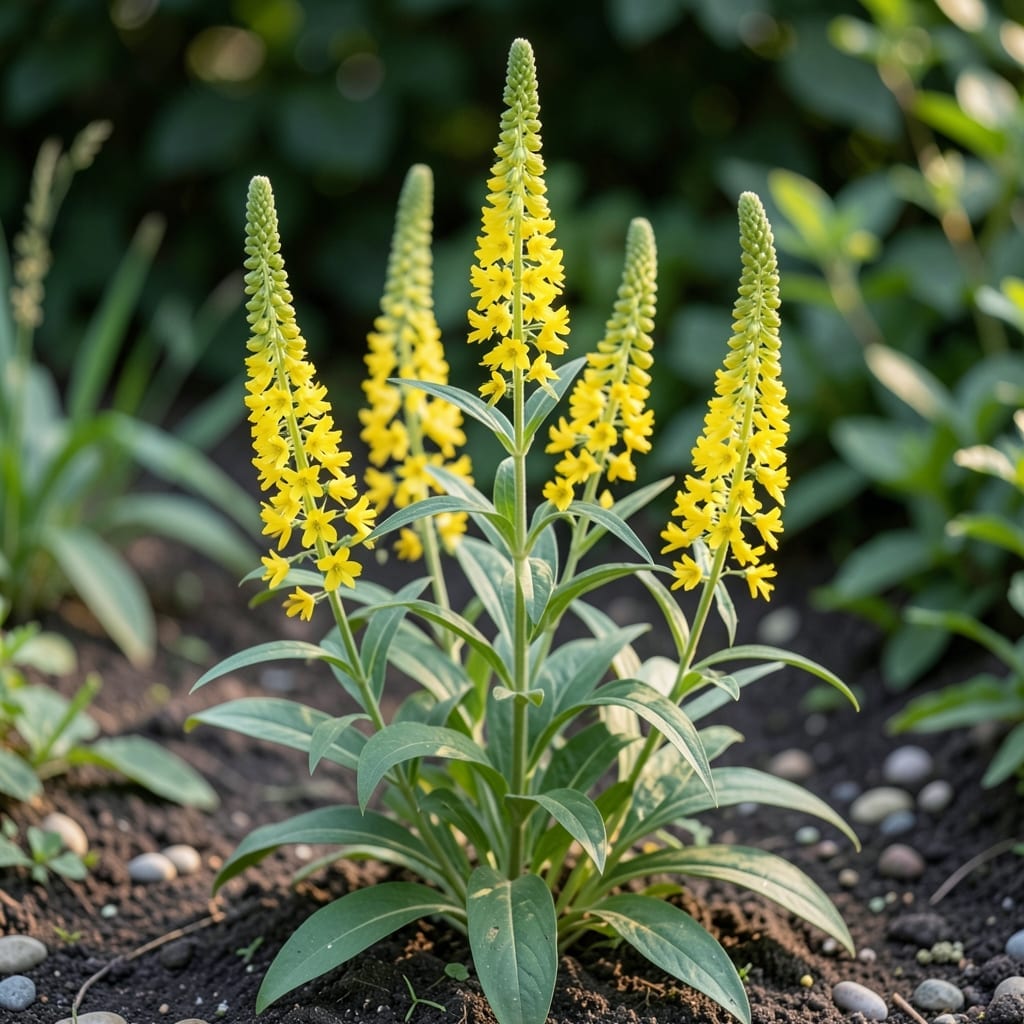
Gooseneck yellow loosestrife changes how you see wet garden spots. I first noticed its bright spikes along a pond edge, thriving where most plants drown.
This plant handles soggy soil like a champion, but needs sun to hit its 12-18 inch height. It spreads fast—great for filling space, not so great for tidy borders. The golden blooms appear in early summer and keep coming.
Propagation is simple: divide clumps in spring or collect seeds in fall. It’s low-maintenance once established, though you’ll want to cut it back in late winter to keep it in check.
Perfect for rain gardens, pond edges, or any spot that stays damp. Just give it room to roam.
Gooseneck yellow loosestrife, a common plant disease, often results from a combination of environmental, biological, and cultural factors. Understanding these causes helps gardeners take preventive action.
High humidity and excessive moisture create ideal conditions for fungal growth, which can lead to gooseneck symptoms. Poor soil drainage or overhead watering traps moisture around the plant, encouraging disease development. Drought stress can also weaken plants, making them more susceptible to infection.
The primary cause is often Fusarium or Pythium fungi, which thrive in wet, compacted soil. These pathogens attack the plant’s vascular system, disrupting water and nutrient flow, leading to the characteristic “gooseneck” bending of stems and yellowing foliage.
Overcrowding plants reduces airflow, increasing humidity and spore spread. Using contaminated tools or planting infected stock can introduce pathogens. Additionally, over-fertilization (especially with nitrogen) promotes lush, weak growth that’s more prone to disease.
Tackling gooseneck yellow loosestrife starts with identifying the root causes and applying targeted fixes. Below are practical solutions for common issues, paired with prevention tips to keep your garden thriving.
If your loosestrife is wilting or developing yellow leaves, excess moisture may be the culprit. Fix: Improve drainage by amending the soil with compost or sand. For potted plants, ensure containers have drainage holes. Water only when the top inch of soil feels dry.
Prevention tip: 💡 Use raised beds or mulch to prevent waterlogging in heavy clay soils.
Pale or stunted growth often signals a lack of essential nutrients. Fix: Apply a balanced, slow-release fertilizer (10-10-10) or organic options like compost tea. Test soil pH—loosestrife prefers slightly acidic to neutral (6.0–7.0).
Prevention tip: 🎯 Feed plants annually in early spring and monitor for signs of deficiency.
Aphids, spider mites, or leaf miners can stress the plant. Fix: Blast pests off with water or apply insecticidal soap. For severe cases, use neem oil or introduce beneficial insects like ladybugs.
Prevention tip: ✨ Inspect plants regularly and remove debris where pests hide.
Leggy stems or sparse blooms may mean the plant isn’t getting enough sun. Fix: Relocate to a spot with at least 6 hours of sunlight daily. Thin nearby plants to reduce shade competition.
Prevention tip: 🌡️ Plan your garden layout to ensure all plants receive adequate light.
Spotted or mildewed leaves are signs of fungal issues. Fix: Remove affected foliage and treat with a copper-based fungicide. Space plants for better airflow.
Prevention tip: 💡 Avoid overhead watering—drip irrigation keeps leaves dry.
Look for tall spikes of bright yellow flowers and lance-shaped leaves. It grows 12-18 inches tall and thrives in wet soil, often near ponds or in rain gardens. The stems tend to arch gracefully, giving it the “gooseneck” appearance.
It loves full sun to partial shade and consistently moist to wet soil. Ideal for bog gardens or areas with poor drainage where other plants struggle. Avoid dry spots—this plant will wilt without adequate water.
Plant it in containers submerged in water or use edging to contain its roots. Divide clumps every 2-3 years in spring to control growth. Regular pruning after blooming also helps manage its size.
Yes! Deer typically avoid it due to its slightly bitter foliage. This makes it a great choice for gardens in areas with high deer populations. However, no plant is completely deer-proof.