
Beautiful Plants For Your Interior
Beautiful Plants For Your Interior
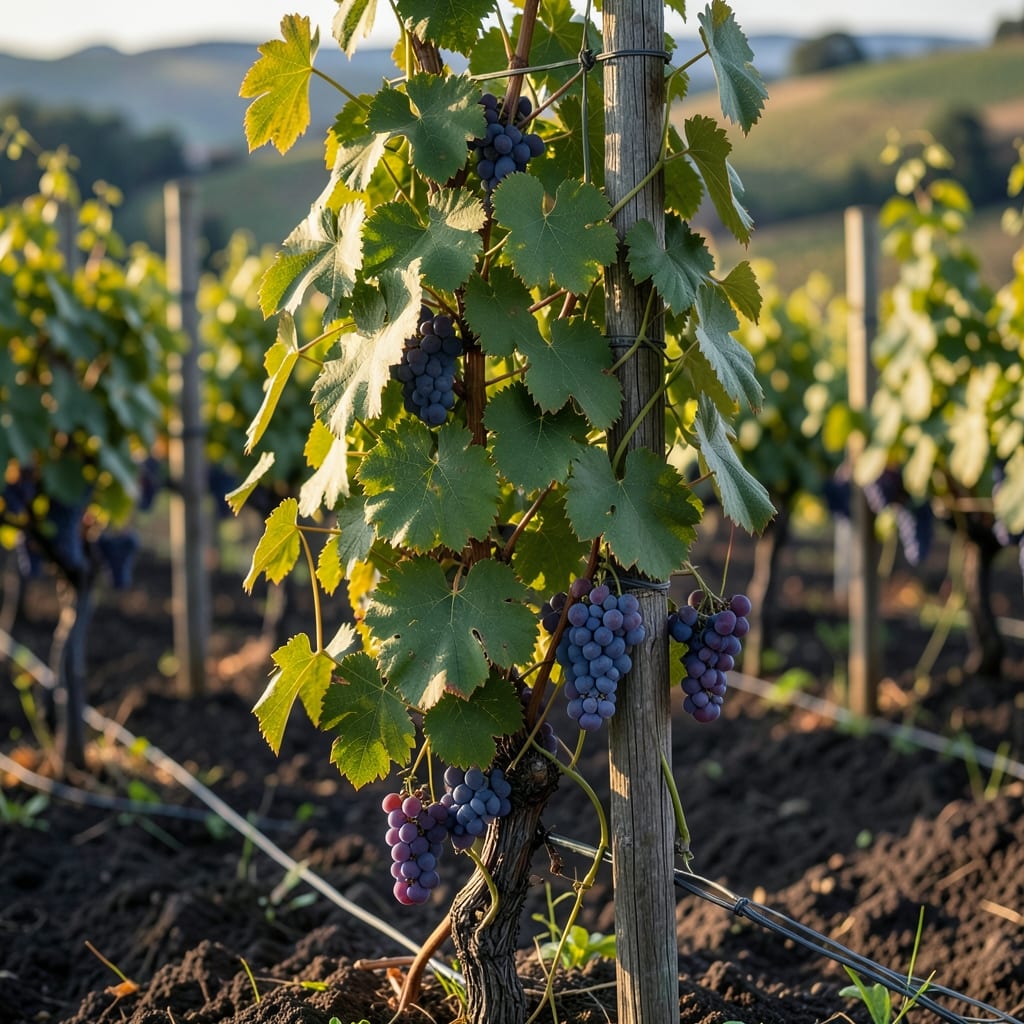
Golden foliage changes everything in a garden. 🌿 I discovered these leaves transform dull corners into sunlit spaces without a single bloom.
They thrive in full sun with well-draining soil, asking only for moderate watering and occasional pruning. The payoff is striking color from spring through frost, with almost no maintenance.
📚 In This Guide
Here’s my proven technique for cultivating vibrant, sun-kissed foliage that thrives season after season.
Choose a spot with full sun to partial shade—golden grape vines need at least 6-8 hours of sunlight daily to develop their signature coloration. South or west-facing areas work best, but east exposure can work if it gets morning light.
Test your soil pH first. These vines prefer slightly acidic to neutral soil (pH 6.0-7.0). If your soil is too alkaline, amend with sulfur or peat moss before planting. I always do a quick soil test—it saves months of frustration later.
Work the soil to a depth of 12-18 inches, removing rocks and breaking up clumps. Mix in 2-3 inches of compost to improve drainage and fertility. Golden grape vines hate waterlogged roots, so if your soil is heavy clay, consider raised beds.
Plant bare-root vines with the crown 2 inches below soil level to encourage strong root development. Space plants 6-8 feet apart—they grow vigorously and need room. Water thoroughly after planting to settle the soil around roots.
Keep soil consistently moist but not soggy during the first growing season. Water deeply 2-3 times per week during dry spells, providing 1-2 inches of water each time. The goal is to encourage deep root growth.
Once established, golden grape vines are surprisingly drought-tolerant. I switch to deep watering once weekly for mature plants, always checking that the top 2-3 inches of soil are dry before watering again. Mulch with 3 inches of organic material to retain moisture.
Install a sturdy trellis or arbor at planting—these vines can climb 15-20 feet in a season. Train young shoots to the support system as they grow. I use soft plant ties to secure stems without damaging them.
Prune in late winter while the plant is dormant. Remove any dead, damaged, or crossing canes first. Then thin out about 30% of the oldest wood to make room for new growth. This encourages better air circulation and more vibrant foliage.
Watch for leaf color changes as temperatures drop in autumn. Golden grape leaves develop their most stunning colors when nights are cool (40-50°F) and days are sunny. This is when the magic happens—your vines will transform into a cascade of gold.
In colder climates (Zone 6 and below), add a 4-6 inch layer of mulch around the base after the first hard frost. I’ve found that a final deep watering before winter helps protect roots from freeze-thaw cycles. Remove mulch gradually in spring as new growth appears.
These insights will help you cultivate the most vibrant foliage with minimal effort.
The Sunlight Factor: Don’t underestimate the 6-8 hours of daily sunlight requirement from Step 1. If your space only gets morning light, prioritize east-facing areas. I’ve seen vines struggle with less than 6 hours—they just won’t achieve that rich golden hue.
Soil pH Precision: That pH 6.0-7.0 range in Step 1 isn’t just a suggestion. A quick soil test kit costs pennies and saves months of guesswork. If your soil is too alkaline, amending with sulfur or peat moss before planting makes all the difference for root health.
Watering Wisdom: In Step 3, the shift from 2-3 times weekly to once weekly watering for mature plants is crucial. Overwatering established vines leads to shallow roots. Always check that the top 2-3 inches of soil are dry before watering again—your fingers are the best tool here.
Pruning Pro Tip: That 30% thinning of oldest wood in Step 4 isn’t just about aesthetics. Removing the right amount encourages air circulation, which directly impacts leaf vibrancy. I learned this the hard way after my first vine produced lackluster color due to overcrowding.
Golden grape leaves have a vibrant yellow hue, often with subtle green veins. They stand out against typical green foliage and may appear slightly translucent in sunlight.
Golden grape leaves can result from natural variegation, nutrient deficiencies (like magnesium or iron), or environmental stress such as excessive sun or water.
If the color change is due to stress or deficiency, addressing the issue (e.g., fertilizing or adjusting water) may restore green color. Variegated leaves, however, typically stay golden.
Not usually! While they may indicate stress, golden leaves don’t inherently harm the plant. However, severe discoloration could signal underlying health issues needing attention.
Consider plants like hostas, coleus, or Japanese maples for vibrant foliage. These offer similar aesthetic appeal with varied colors and patterns.