
Beautiful Plants For Your Interior
Beautiful Plants For Your Interior
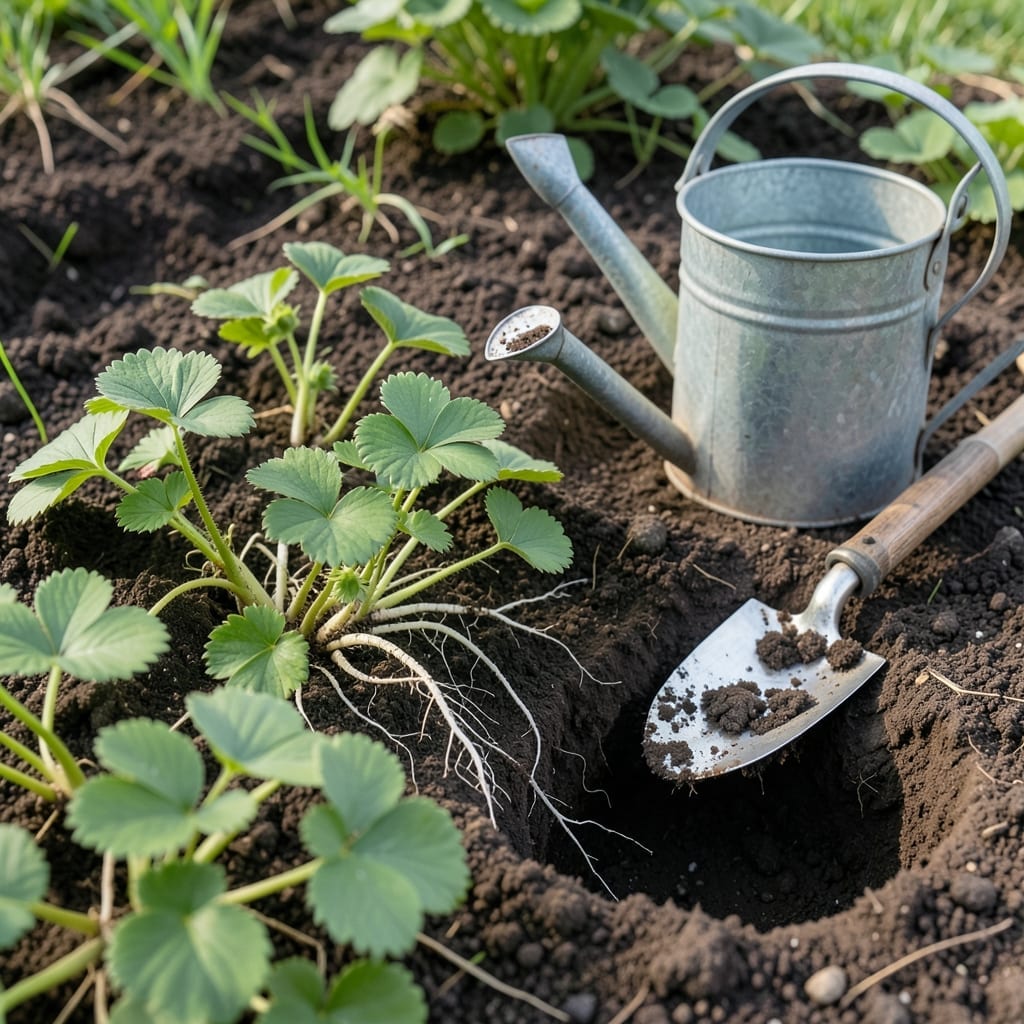
Timing is everything when you’re planting bare root 🍓 Strawberry in Zone 8. Plant too early, and frost may wipe out your efforts. Plant too late, and summer heat can stress the plants before they establish roots.
Getting this right means the difference between a struggling patch and a thriving harvest. I’ve learned through experience that January to February offers the sweet spot for root development before spring growth kicks in.
These early months give your Strawberry plants 4-6 weeks to settle in before the last frost date, which typically arrives around March 15 in Zone 8. This timing ensures strong roots ready for spring.
Discover how to prepare your soil and care for your plants during this critical window. Your future harvest of juicy, homegrown berries depends on these first steps.
In USDA Zone 8, timing your bare root strawberry planting is crucial for strong root development. The ideal window is 4-6 weeks before your last frost date, which is typically around March 15. This means January to early February is perfect for most areas.
Soil temperature should be at least 40°F for roots to establish properly. In coastal Zone 8, milder winters allow for December planting, while inland areas may need to wait until late January to avoid frost damage.
| cell” style=”background-color: #6fd544; color: #fff; font-weight: bold;”>Conditions | |
| row”> | cell”>Good alternatives with care |
| row”> | March 15 average date |
Fall planting is another option in Zone 8, giving roots a head start before winter. Aim for late September to early November, ensuring plants are in the ground 6 weeks before your first expected frost, which is around November 15 in most Zone 8 locations.
I’ve found that bare root strawberries planted in fall often produce earlier and more abundant harvests the following spring. The cooler temperatures help reduce transplant shock while allowing roots to establish before dormancy.
For spring planting, wait until the soil is workable but not waterlogged. In Zone 8, this is usually late January through February. If you plant too early, cold soil may stunt growth, while planting too late can expose young plants to summer heat stress.
Coastal areas in Zone 8 often have milder winters, allowing for earlier planting. Inland regions may experience more frost, so I recommend waiting until mid-February to be safe. Always check your local soil temperature with a simple thermometer.
Remember that strawberry varieties matter too. June-bearing types do best with early spring planting, while everbearing and day-neutral varieties can handle a slightly wider window. I always recommend soaking bare roots for 1-2 hours before planting to rehydrate them.
After planting, keep the soil consistently moist but not soggy. In Zone 8’s climate, you’ll typically need to water deeply once or twice a week, depending on rainfall. Mulching with straw or pine needles helps retain moisture and suppress weeds.
Finally, consider your garden’s microclimate. South-facing slopes warm up faster in spring, while low-lying areas may stay colder longer. I’ve had great success planting in raised beds, which warm up quicker and offer better drainage in Zone 8’s sometimes heavy clay soils.
With the right timing and care, your bare root strawberries will establish strong roots and reward you with a delicious harvest come spring and summer 🌱
Planting bare root strawberries in Zone 8 starts with proper timing. I recommend January to February for the best results, ensuring roots establish before summer heat arrives. This window avoids frost damage while giving plants time to settle.
Before planting, soak the roots in water for 1-2 hours to rehydrate them. This step is crucial for reviving dormant plants and encouraging quick growth after transplanting. Don’t skip this—it makes a noticeable difference.
| Step | Action |
|---|---|
| 1 | Soak roots in water |
| 2 | Dig holes 12-18 inches apart |
| 3 | Spread roots in hole |
| 4 | Cover crown just above soil |
When digging holes, make them wide enough to accommodate the roots without bending. The crown (where roots meet leaves) must stay above soil to prevent rot. Planting too deep is a common mistake that stunts growth.
After planting, water thoroughly to settle the soil and remove air pockets. I use 1-2 inches of water per plant, ensuring the roots make good contact with the soil. This step is vital for root establishment in Zone 8’s variable conditions.
Finally, apply a 2-3 inch layer of mulch around plants to retain moisture and suppress weeds. Straw or pine needles work well. Mulching also protects roots from temperature swings, which are common in Zone 8.
With these steps, your bare root strawberries will thrive and produce a bountiful harvest in just a few months 🌱