
Beautiful Plants For Your Interior
Beautiful Plants For Your Interior
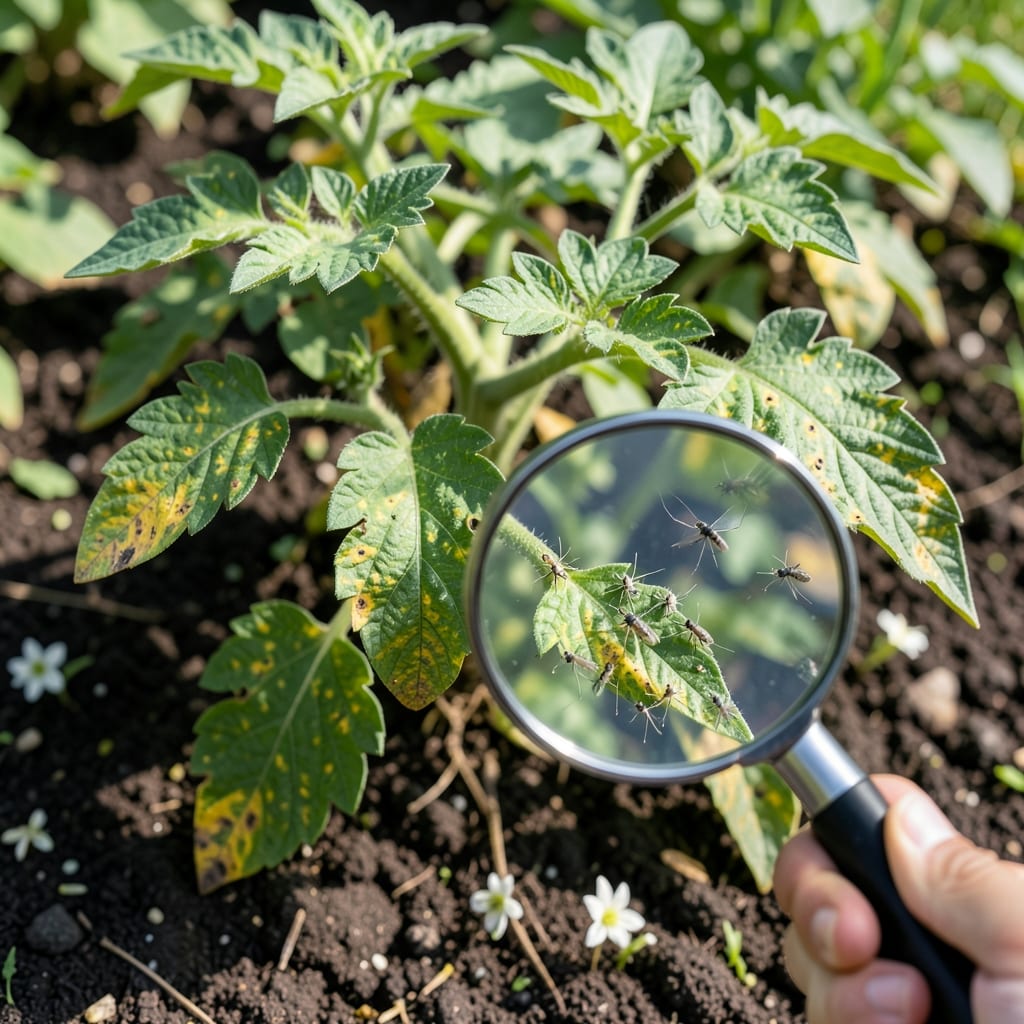
These tiny white pests can wreak havoc on your garden faster than you’d expect. I first noticed them on my tomato plants last summer, and within days, the leaves were sticky with honeydew and black with sooty mold.
Early detection is key—check the undersides of leaves weekly. A strong blast of water can dislodge them, but for heavy infestations, insecticidal soap or neem oil works fast. Consistency beats them for good.
📚 In This Guide
Here’s my trusted approach to keeping these pests away and handling infestations when they appear.
Check the undersides of leaves weekly for clusters of white, waxy eggs or tiny nymphs. I use a handheld magnifying glass to spot them early. You’ll notice sticky honeydew on leaves before you see the flies themselves—this is a sure sign they’re feeding.
Focus on new growth first, as whiteflies prefer tender leaves. If you see a few adults flying up when you disturb the plant, don’t panic. A small population is manageable; it’s the large infestations that become problematic quickly.
Prune off heavily infested leaves with clean scissors and drop them into a sealed bag. This immediately reduces the population and prevents spread. I always disinfect my tools with rubbing alcohol between cuts to avoid transferring pests.
Move the affected plant away from others to contain the issue. Whiteflies spread rapidly, so isolation is critical. Keep the plant in a bright area but avoid direct sun for 24-48 hours as it recovers from stress.
Introduce beneficial insects like ladybugs or lacewings, which feed on whitefly nymphs. I release them in the evening when temperatures are cooler and they’re less likely to fly away. For a quick knockdown, use a neem oil or insecticidal soap spray.
Apply sprays in the early morning or late afternoon to avoid harming pollinators. Coat both sides of leaves thoroughly, as these pests hide underneath. Reapply every 5-7 days until the infestation is gone, as sprays don’t affect eggs.
Cover new plants or vulnerable seedlings with lightweight floating row covers to block adult whiteflies. Secure the edges with soil or weights to keep pests out. I leave covers on until plants are well-established and less attractive to invaders.
For indoor plants, place yellow sticky traps near the foliage. Adults are drawn to the color and get caught before they can lay eggs. Replace traps when they’re covered or every 2-3 weeks, whichever comes first.
Avoid over-fertilizing with nitrogen, which produces the soft growth whiteflies love. I use a balanced, slow-release fertilizer and water at the base to keep foliage dry. Healthy plants recover faster and resist pests better.
Keep the garden free of plant debris, where whiteflies can overwinter. Remove weeds regularly, as they often harbor these pests. After harvest, till the soil to expose pupae to predators and harsh weather.
These practical insights will help you stay ahead of infestations with minimal effort.
Inspection Technique: When checking plants weekly as described in Step 1, focus on the undersides of new growth first. I’ve found white flies consistently cluster here before spreading. A hand lens makes those dust-like eggs impossible to miss.
Treatment Timing: For Step 3’s water blasting method, doing this early in the day ensures leaves dry quickly in the sun. The 2-3 day repetition schedule is crucial—stopping too soon allows survivors to repopulate.
Temperature Consideration: When applying insecticidal soap or neem oil, the below 90°F temperature rule from Step 3 prevents leaf burn. I always test on a small area first, as some plants are more sensitive than others.
Predator Release Strategy: In Step 4, releasing beneficial insects in the evening works best. Cooler temperatures keep them from flying away immediately, and that light misting helps them settle in right where you need them.
Look for white, waxy residue on leaves, sticky honeydew, sooty mold, or visible flies on the undersides of leaves. Yellowing or wilting foliage can also indicate an infestation.
Early morning or late evening is ideal, as flies are less active. Treat at the first sign of infestation to prevent rapid spread, especially during warm, humid weather.
Yes! Neem oil, insecticidal soaps, or introducing beneficial insects like ladybugs can help. These methods are eco-friendly and effective for mild infestations.
Incomplete treatment or untreated hiding spots (like leaf undersides) allow reinfestation. Ensure thorough coverage and repeat treatments as needed for full control.
Isolate infested plants immediately. Use sticky traps and regularly inspect nearby plants. Prune heavily infested leaves and maintain good airflow to deter pests.